Mastering the perfect rice pilaf recipe is a rite of passage for every home cook. It is the difference between a clump of sticky white rice and a gourmet side dish where every individual grain is a distinct, glistening masterpiece.
This specific Mediterranean version brings together the aromatic fragrance of long-grain basmati and the rich, nutty crunch of golden-brown toasted vermicelli. It is a texture-heavy dish that feels both rustic and refined.
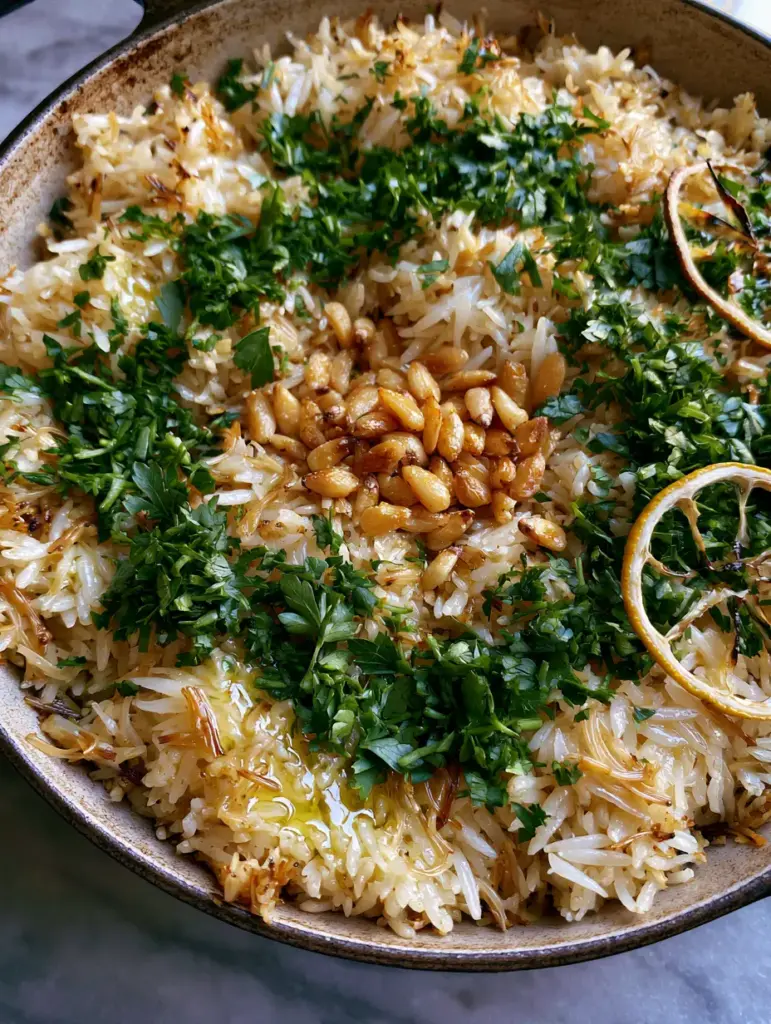
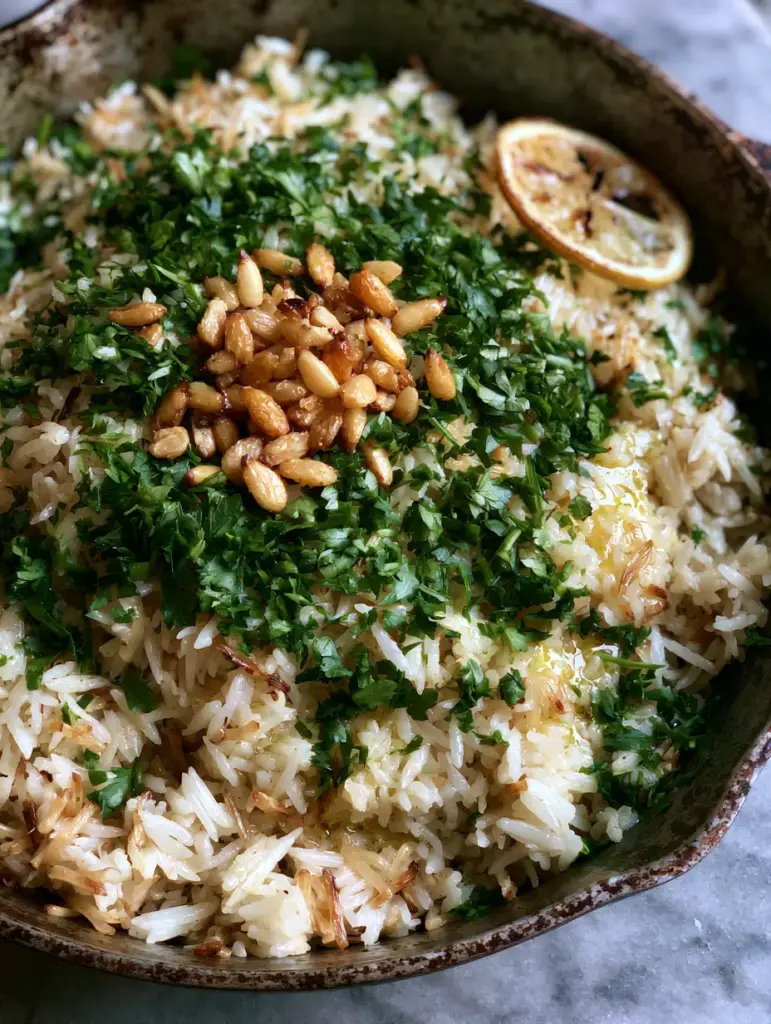
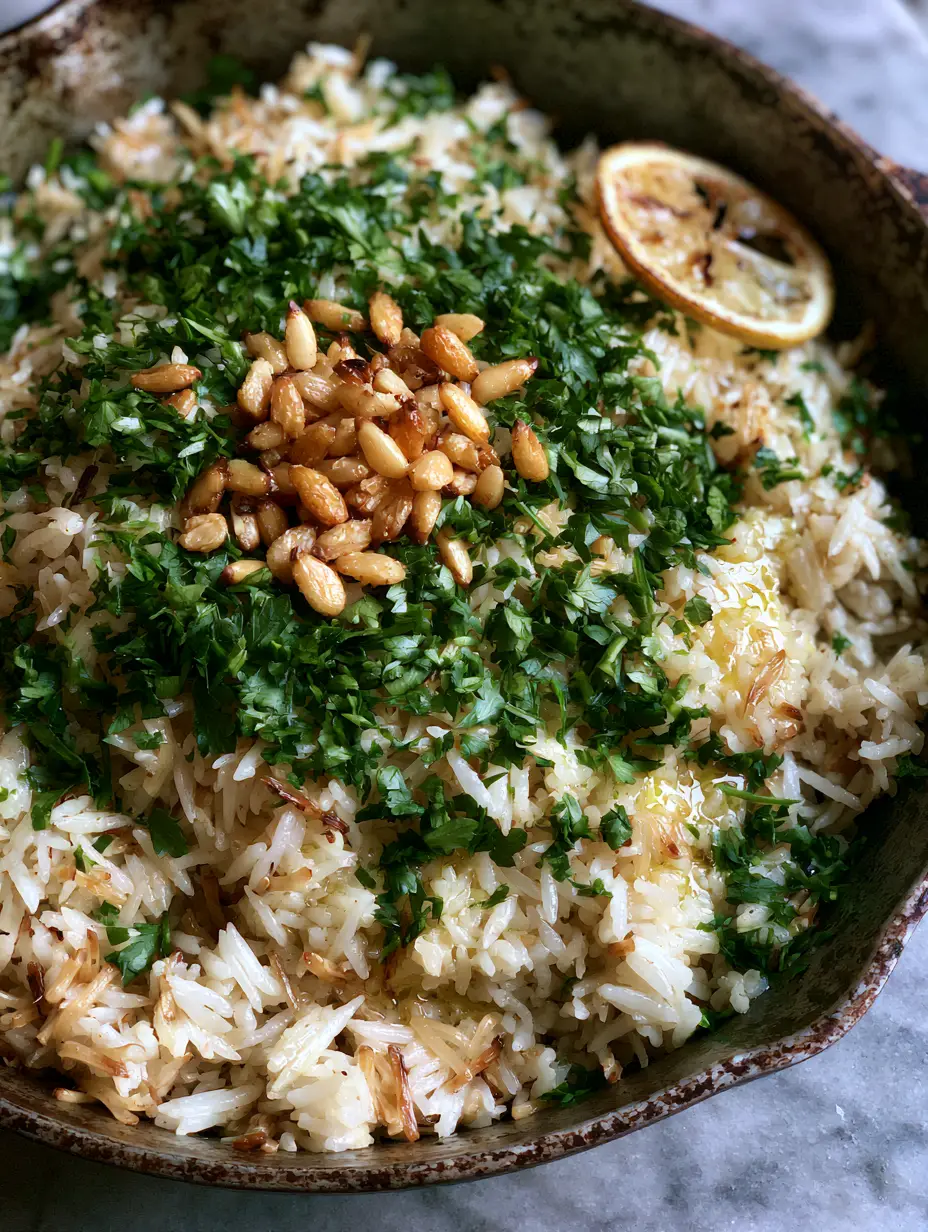
When you lift the lid of your matte black cast iron pot, the first thing you will notice is the gentle steam carrying the scent of toasted butter. The vibrant green of the freshly chopped parsley pops against the golden pine nuts, creating a visual that belongs on the cover of a magazine.
The Anatomy of a Flawless Mediterranean Pilaf
- Textural Contrast: We achieve the “separate grain” effect through a rigorous rinsing process and a precise fat-to-liquid ratio.
- Toasted Depth: The broken vermicelli noodles are toasted until they reach a deep amber hue, providing a caramelized flavor profile.
- Glistening Finish: A final fold of high-quality butter ensures every grain has a light, appetizing sheen.
- Acidic Balance: A charred lemon wheel isn’t just for show; its smoky, concentrated juice cuts through the richness of the toasted nuts and butter.
Essential Ingredients for Success
Long-Grain Basmati Rice: 2 cups (380g). Basmati is essential for its length and ability to stay separate; avoid short-grain varieties which carry too much starch for a pilaf.
Vermicelli Noodles: 1/2 cup (50g), broken into 1-inch fragments. These thin pasta strands provide the classic Mediterranean “flecked” appearance and a nutty bite.
Unsalted Butter & Extra Virgin Olive Oil: 2 tbsp (30g) butter and 1 tbsp (15ml) oil. The oil prevents the butter from burning during the high-heat toasting phase.
Chicken or Vegetable Stock: 3.5 cups (840ml). Using a flavorful stock instead of water is the “invisible” secret to a deep, savory foundation.
Pine Nuts: 1/4 cup (35g). Toasted until golden, these add a buttery crunch that complements the softness of the rice.
Fresh Flat-Leaf Parsley: 1/2 cup (15g), finely chopped. This provides the vibrant green color and a fresh, herbaceous finish that balances the toasted elements.
Lemon: 1 whole lemon, sliced into thick wheels. Charring the lemon caramelizes its sugars, creating a sophisticated garnish and a bright flavor pop.
Sea Salt & White Pepper: To taste. We use white pepper specifically to keep the visual aesthetic clean and free of black specks.
Tools for the Ultimate Pilaf Texture
To achieve the look of our visual blueprint, a matte black cast iron pot (Dutch oven) is highly recommended. The heavy lid creates a perfect seal, trapping steam to ensure even cooking without the need for stirring.
You will also need a fine-mesh sieve for rinsing the rice. Removing excess surface starch is the most critical step in preventing the rice from becoming a “mushy” clump.
How to Make This Professional Rice Pilaf Recipe
Step 1: The Starch-Removal Ritual
Place your 2 cups (380g) of basmati rice in a fine-mesh sieve. Rinse under cold running water for at least 2 minutes, or until the water runs crystal clear.
This step removes the surface starch that causes grains to stick together. Once rinsed, let the rice drain thoroughly; a dry grain toasts better than a wet one.
Step 2: The Toasting of the Vermicelli
Place your cast iron pot over medium heat. Add 1 tbsp (15ml) of olive oil and 1 tbsp (15g) of butter.
Once the butter is foaming, add the broken vermicelli fragments. Stir constantly for 3-5 minutes. Watch for a visual cue: the noodles should transform from pale to a deep, golden brown.
Step 3: Sautéing the Grains
Add the rinsed and drained rice to the pot with the toasted vermicelli. Stir for 2 minutes to coat every grain in the shimmering fat.
You will hear a slight “crackling” sound as the moisture evaporates. This “sealing” process ensures each grain remains distinct after the liquid is added.
Step 4: The Absorption Method
Pour in 3.5 cups (840ml) of hot stock and add your salt. Bring to a rolling boil, then immediately reduce the heat to the lowest possible setting.
Cover the pot with a tight-fitting lid. If your lid isn’t perfectly snug, place a clean kitchen towel between the pot and the lid to trap every ounce of steam. Cook for 15-18 minutes without lifting the lid.
Step 5: The Pine Nut and Lemon Char
While the rice steams, place a small dry skillet over medium-low heat. Add the pine nuts and toss frequently until they are fragrant and golden-brown.
In the same skillet (or over an open gas flame), sear a thick lemon wheel until the edges are blackened and charred. This concentrates the juice and adds a smoky aroma.
Step 6: The Rest and Fluff
Once the cooking time is up, remove the pot from the heat. Do not open the lid yet! Let it rest for 10 minutes. This allows the moisture to redistribute evenly.
After resting, add the remaining 1 tbsp (15g) of butter. Use a fork to gently “fluff” the rice, lifting from the bottom to avoid breaking the delicate grains.
Expert Tips for the Perfect Glistening Finish
- Never Stir During Cooking: Stirring activates starches and leads to a gummy texture. Set the timer and walk away.
- The “Towel Trick”: If you notice your rice is often too wet, the kitchen towel under the lid absorbs excess condensation that would otherwise drip back onto the grains.
- Quality of Stock: Since the rice absorbs all the liquid, the quality of your stock defines the flavor. Use a low-sodium version so you can control the seasoning manually.
Best Pairings for This Rice Pilaf Recipe
This versatile side dish is the perfect partner for Mediterranean and Middle Eastern mains. Its nutty profile pairs beautifully with the charred flavors of grilled meats or roasted vegetables.
For a complete feast, serve this pilaf alongside a refreshing Greek salad or a bowl of authentic Lebanese tabbouleh.
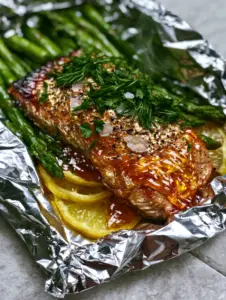
If you are looking for a protein-packed meal, it serves as a wonderful base for a glazed salmon rice bowl or alongside some lemon herb roasted potatoes.
Storage and Reheating Advice
Leftover pilaf can be stored in an airtight container in the refrigerator for up to 4 days. Because of the butter content, the rice may firm up significantly when cold.
To reheat, add a splash of water or stock to the rice and microwave covered, or steam it in a pan over low heat. This restores the “glistening” moisture and fluffy texture.
Frequently Asked Questions
Yes! Simply swap the unsalted butter for a high-quality vegan butter or use additional extra virgin olive oil, and ensure you use vegetable stock.
Yes, rinsing is mandatory. It removes excess surface starch. If you skip this, the rice will clump together and you won’t achieve the signature pilaf texture.
Ensure you are using a 1:1.75 rice-to-liquid ratio. Also, let the rice rest for 10 minutes off the heat with the lid on to allow the remaining steam to absorb.
Long-grain basmati rice is the best choice. It has a low starch content compared to short-grain rice, which allows the grains to remain separate and fluffy rather than sticky.
Toasting the noodles in butter and oil adds a rich, nutty flavor and a beautiful golden-brown color that defines the traditional Mediterranean pilaf aesthetic.
The Ultimate Mediterranean Rice Pilaf Recipe Card
Rice Pilaf Recipe: The Secret to Perfectly Fluffy Mediterranean Grains
Ingredients
Equipment
Method
- Place basmati rice in a fine-mesh sieve and rinse under cold water until the water runs clear. Drain well.
- In a matte black cast iron pot, melt 1 tbsp butter with 1 tbsp olive oil over medium heat. Add vermicelli and sauté until deep golden brown.
- Add rinsed rice to the pot. Stir for 2 minutes to coat in fat and lightly toast the grains.
- Add hot stock and salt. Bring to a boil, then cover with a tight lid and reduce heat to low. Cook for 15-18 minutes.
- Remove from heat and let rest for 10 minutes covered. Add remaining butter, fluff with a fork, and top with parsley, toasted pine nuts, and the charred lemon wheel.
Notes
Use a kitchen towel under the lid for an even tighter seal.
Closing & Call to Action
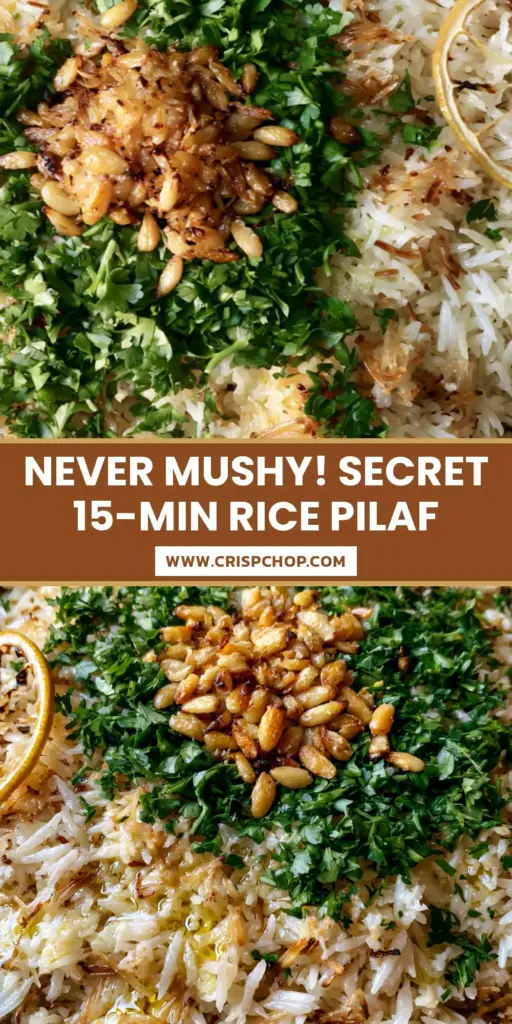
This rice pilaf recipe proves that simple ingredients can produce extraordinary results when handled with professional technique. The contrast of the golden vermicelli against the snow-white basmati, topped with a shower of parsley and pine nuts, makes it a visual centerpiece for any dinner table.
If you enjoyed this recipe, please leave a comment below and share your results! For more culinary inspiration and high-definition recipe visuals, follow us on Pinterest.