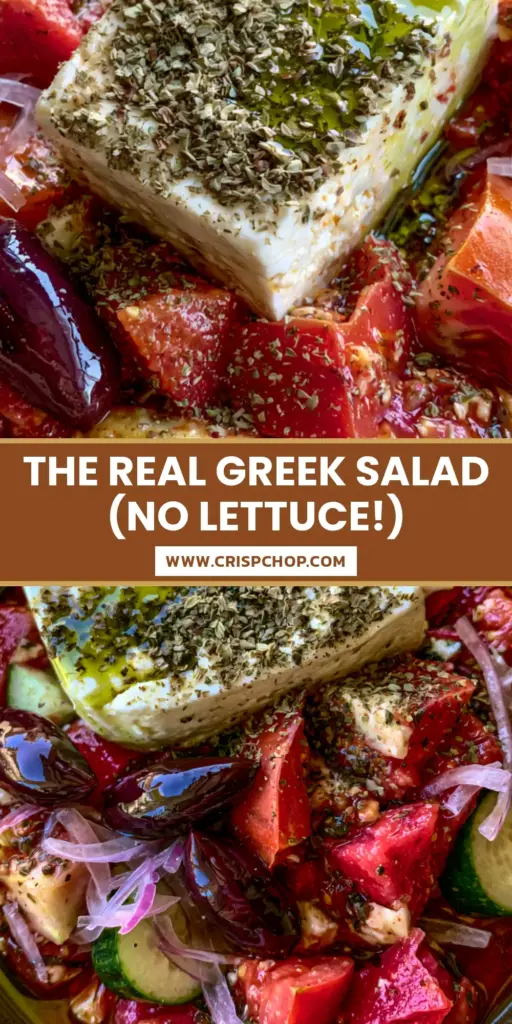
There is a profound, rustic beauty in a dish that refuses to hide behind leafy greens. This authentic Greek salad recipe is not your standard diner side dish; it is a vibrant, sun-drenched celebration of Mediterranean summer produce. Inspired by the traditional Horiatiki served in seaside tavernas, this recipe focuses on the structural integrity of chunky heirloom tomatoes and the creamy dominance of a single, solid slab of feta cheese.
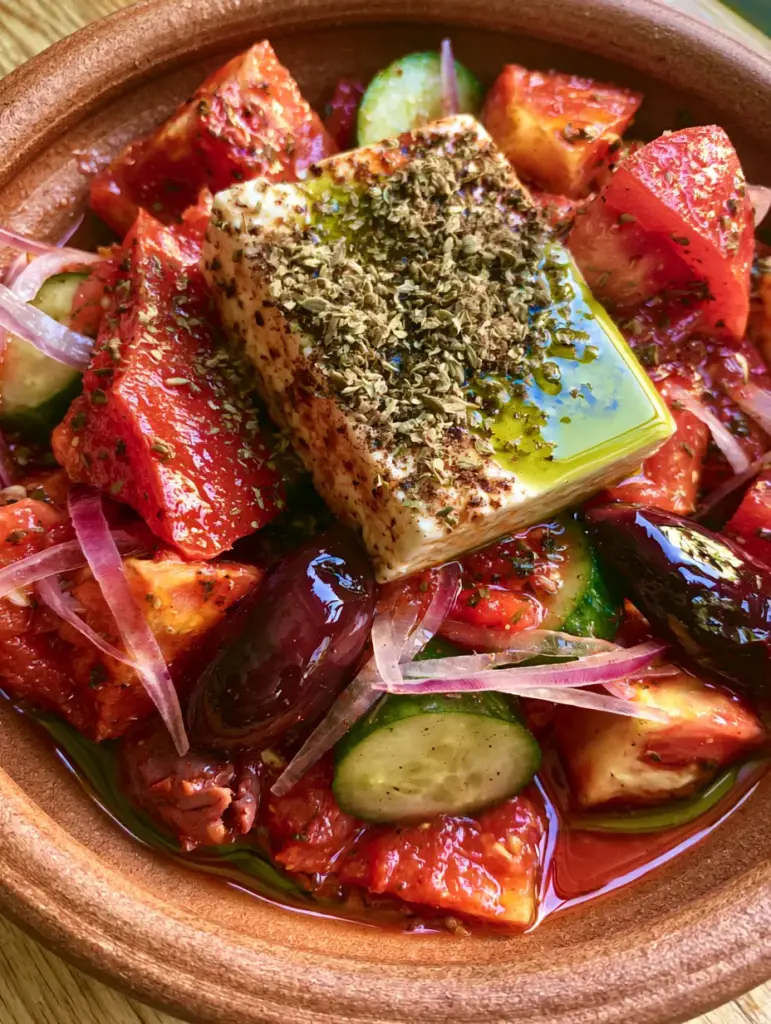
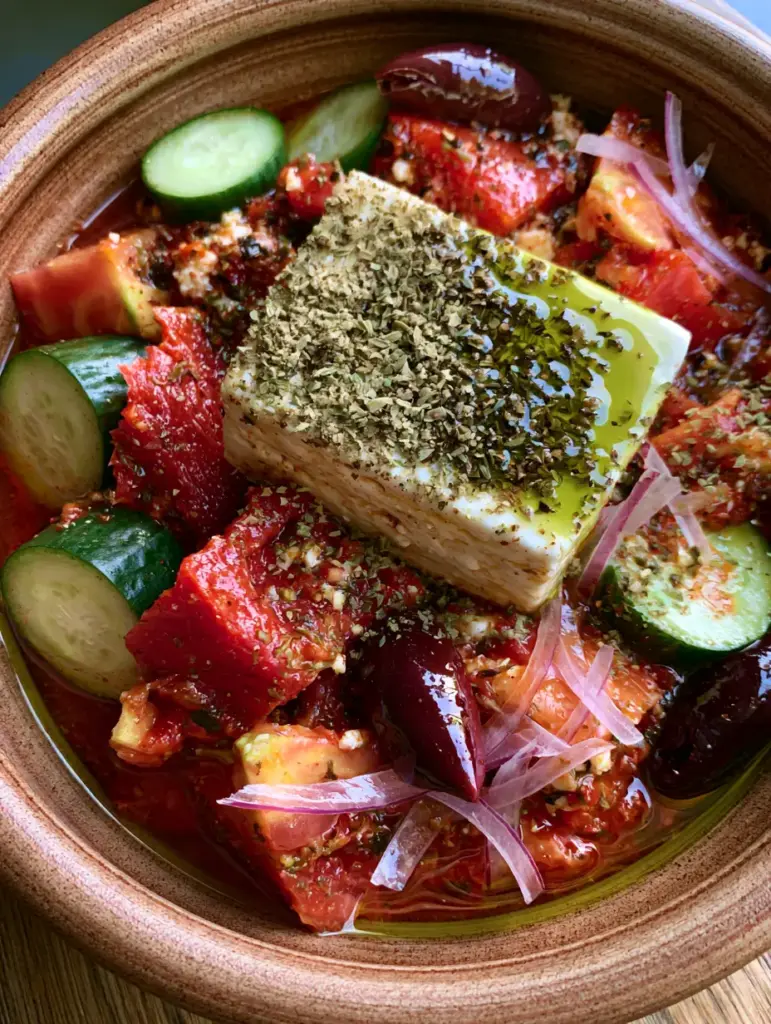
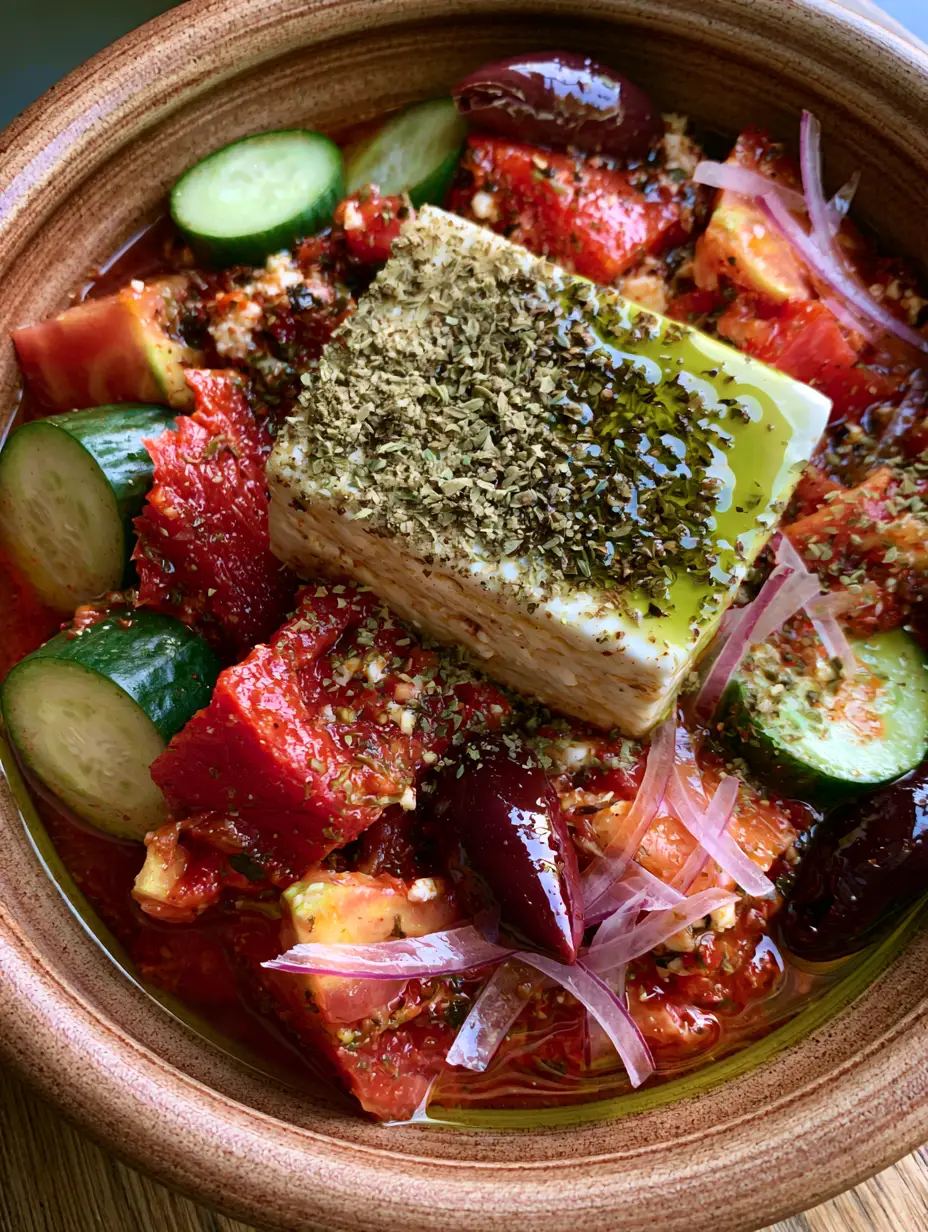
Imagine a rustic matte clay bowl sitting on a wooden table, illuminated by the soft, directional glow of late afternoon daylight. You see the jagged edges of deep red tomatoes, the translucent slivers of red onion, and a shimmering, golden-green pool of extra virgin olive oil at the base. This is the sensory experience we are recreating today, ensuring every bite delivers a crisp, salty, and acidic punch that defines Greek culinary heritage.
By following this guide, you will master the art of the “Village Salad,” where the quality of the ingredients is the only thing that matters. We are omitting the filler and focusing on the soul of the dish, creating a centerpiece that is as visually stunning as it is delicious. Let’s dive into the forensics of the perfect Horiatiki.
Why This Authentic Greek Salad Recipe Stands Apart
- Zero Lettuce Policy: Unlike Westernized versions, a true Horiatiki never uses lettuce, allowing the vegetable juices to create a natural “dressing” with the olive oil.
- The Feta Statement: We use a single, large rectangular slab of feta cheese resting prominently on top, rather than small crumbles, to preserve the cheese’s creamy texture.
- Textural Contrast: The combination of jagged, chunky heirloom tomatoes and crisp, unpeeled Persian cucumber half-moons provides a superior mouthfeel.
- The Liquid Gold Base: A rich pool of tomato juices, extra virgin olive oil, and sea salt forms at the bottom of the bowl, perfect for dipping crusty bread.
The Essential Components for a Mediterranean Masterpiece
Every ingredient in this Greek salad recipe serves a specific culinary purpose. Because there are so few elements, each one must be of the highest possible quality to achieve the professional result seen in our visual blueprint.
Vibrant Heirloom Tomatoes: You will need 2 lbs (900g) of ripe heirloom tomatoes. Their irregular shapes and high juice content are vital for creating the flavorful liquid base of the salad.
Persian Cucumbers: Use 3-4 (approx. 300g) Persian cucumbers, kept unpeeled. Their thin skins provide a necessary snap and a bright green visual contrast to the deep red tomatoes.
Red Onion: One small red onion (100g) is required, sliced into paper-thin, translucent slivers. These provide a sharp, pungent bite without overwhelming the palate with raw onion flavor.
Kalamata Olives: Include 1/2 cup (75g) of whole, glossy dark purple Kalamata olives. Keeping them whole prevents the brine from muddying the colors of the other vegetables.
Block Feta Cheese: A 7oz (200g) solid block of high-quality sheep’s milk feta is the crowning glory. It must be thick and rectangular to match the traditional aesthetic.
Extra Virgin Olive Oil: You will need 1/4 cup (60ml) of the finest cold-pressed olive oil. This acts as the primary fat source, coating the vegetables in a shimmering, golden-green sheen.
Dried Oregano & Seasoning: Use 1 tbsp (3g) of coarse dried oregano, sea salt, and freshly cracked black pepper. The oregano provides the iconic herbaceous aroma that defines the dish.
Red Wine Vinegar (Foundational): While subtle, 1 tbsp (15ml) of red wine vinegar helps macerate the onions and balances the richness of the feta and oil.
Professional Tools for Culinary Precision
To achieve the visual details described in our blueprint—specifically the translucent onions and jagged tomatoes—a few specific tools are recommended for this Greek salad recipe.
A very sharp Chef’s knife is non-negotiable for cutting the tomatoes into thick, jagged chunks without bruising the flesh. For the red onions, a mandoline slicer is the best way to achieve those paper-thin, translucent slivers that catch the light.
A rustic matte clay bowl or a wide ceramic platter is essential for the presentation. The wide surface area allows the “pool” of juices to spread out, ensuring every vegetable piece is properly seasoned and coated in the olive oil emulsion.
Architecting the Salad: Step-by-Step Construction
Preparing the Vegetable Base
Start by washing your heirloom tomatoes and Persian cucumbers in cold water. Cut the tomatoes into large, irregular, jagged chunks; avoid perfect cubes, as the increased surface area of jagged cuts helps release more juice.
Slice the Persian cucumbers into half-moons about 1/2 inch (1.25cm) thick, leaving the skin on for that vibrant green color. Use your mandoline or knife to slice the red onion into slivers so thin they are almost see-through.
The Maceration Secret
Place the tomatoes and onions in your clay bowl first. Sprinkle them with a generous pinch of sea salt and the red wine vinegar. Let them sit for 5 minutes; this “sweats” the tomatoes, creating the signature pool of juices described in the Midjourney prompt.
Once the juices have begun to collect, gently toss in the cucumber half-moons and the whole Kalamata olives. At this stage, you want the vegetables to be mixed but not bruised, maintaining their crisp details and vibrant Mediterranean colors.
The Feta Placement and Final Drizzle
Place the solid block of feta cheese directly in the center, resting prominently on top of the vegetable mound. Do not break it apart; the goal is a single, impressive rectangular slab that showcases the creamy white texture.
Drizzle the extra virgin olive oil slowly over the feta and the surrounding vegetables until they are shimmering. Finish by heavily dusting the feta and the entire salad with the coarse dried oregano and a final crack of black pepper.
Expert Tips for Visual and Flavor Success
- Temperature Matters: Serve the vegetables at room temperature to maximize the aroma of the tomatoes, but ensure the feta is chilled for a firm, clean-cut slab.
- The Oil Quality: Since the oil is a main ingredient, use an oil with a peppery finish to complement the sweetness of the heirloom tomatoes.
- Avoid Over-Mixing: Once the feta is placed, do not toss the salad again. The guest should break the feta themselves, allowing the creaminess to mix with the juices on their own plate.
- Herb Freshness: While we use dried oregano for authenticity, ensure your dried herbs aren’t more than six months old, or they will lose the pungent scent required for this Greek salad recipe.
Storage and Freshness Guidelines
This Greek salad recipe is best enjoyed immediately after assembly when the cucumbers are at their crispest. However, if you have leftovers, they can be stored in an airtight container in the refrigerator for up to 24 hours.
Note that the cucumbers will lose their “snap” and the onions will become softer the longer they sit in the acidic juices. We do not recommend freezing this salad, as the high water content of the tomatoes and cucumbers will cause them to become mushy upon thawing.
Perfect Pairings for a Greek Feast
To turn this salad into a full Mediterranean spread, consider serving it alongside other regional classics. The salty feta and acidic tomatoes pair beautifully with grilled proteins or hearty grain dishes.
We highly recommend serving this with marinated Greek chicken skewers or a side of lemon herb Greek potatoes. If you are looking for a lighter, fruit-forward side, our refreshing watermelon salad offers a lovely sweet contrast. For those who love a variety of textures, this salad also sits perfectly next to an authentic Lebanese tabbouleh.
Frequently Asked Questions
While you can, a solid rectangular slab is traditional. It stays creamy longer and allows each person to break off exactly how much they want, preventing the salad from becoming overly salty too quickly.
The secret is salting the tomatoes and onions and letting them sit for about 5 minutes before adding the rest of the ingredients. The salt draws out the moisture, creating a delicious base.
No, Persian cucumbers should remain unpeeled. The skin provides a necessary crunch and a vibrant green color that contrasts beautifully with the red tomatoes.
Heirloom tomatoes are best because they are juicy, flavorful, and have irregular shapes that create those beautiful jagged edges. If unavailable, use ripe vine-on tomatoes.
Authentic Greek ‘Horiatiki’ (Village Salad) never contains lettuce. It relies on the juice of the tomatoes and high-quality olive oil to create a natural dressing, whereas lettuce would wilt and dilute the flavors.
The Authentic Horiatiki Recipe Card
Greek salad recipe: The Ultimate Authentic Horiatiki Experience
Ingredients
Equipment
Method
- Wash and cut heirloom tomatoes into thick, jagged chunks to maximize juice release.
- Slice unpeeled Persian cucumbers into half-moons approximately 1/2 inch thick.
- Using a mandoline, slice the red onion into translucent, paper-thin slivers.
- Combine tomatoes, onions, salt, and vinegar in a clay bowl; let sit for 5 minutes until a pool of juice forms.
- Gently fold in the cucumber half-moons and whole Kalamata olives.
- Place the whole slab of feta prominently on top of the salad mound.
- Drizzle with olive oil and dust heavily with coarse dried oregano and cracked pepper.
Notes
Do not crumble the feta; serving it as a slab is traditional Horiatiki style.
Experience the Taste of Greece
This Greek salad recipe is more than just a mix of vegetables; it is a masterclass in simplicity and quality. By focusing on the specific textures of heirloom tomatoes and the bold presentation of block feta, you bring an authentic piece of Greece into your kitchen.
We would love to see your rustic recreations! If you enjoyed this recipe, please leave a comment below and share your photos with us. Don’t forget to pin this recipe to your favorite Mediterranean board on Pinterest so you can find it every summer!