The Persian Kotlet is a culinary masterpiece that defines the comfort food landscape of Iran. These savory, hand-shaped patties are more than just a meal; they are a sensory experience that combines a shattering, extra-crispy golden-brown exterior with a steaming, moist interior. If you have ever walked into a Persian kitchen during the golden hour of dinner prep, you have been greeted by the intoxicating aroma of seared onions, earthy turmeric, and sizzling beef.
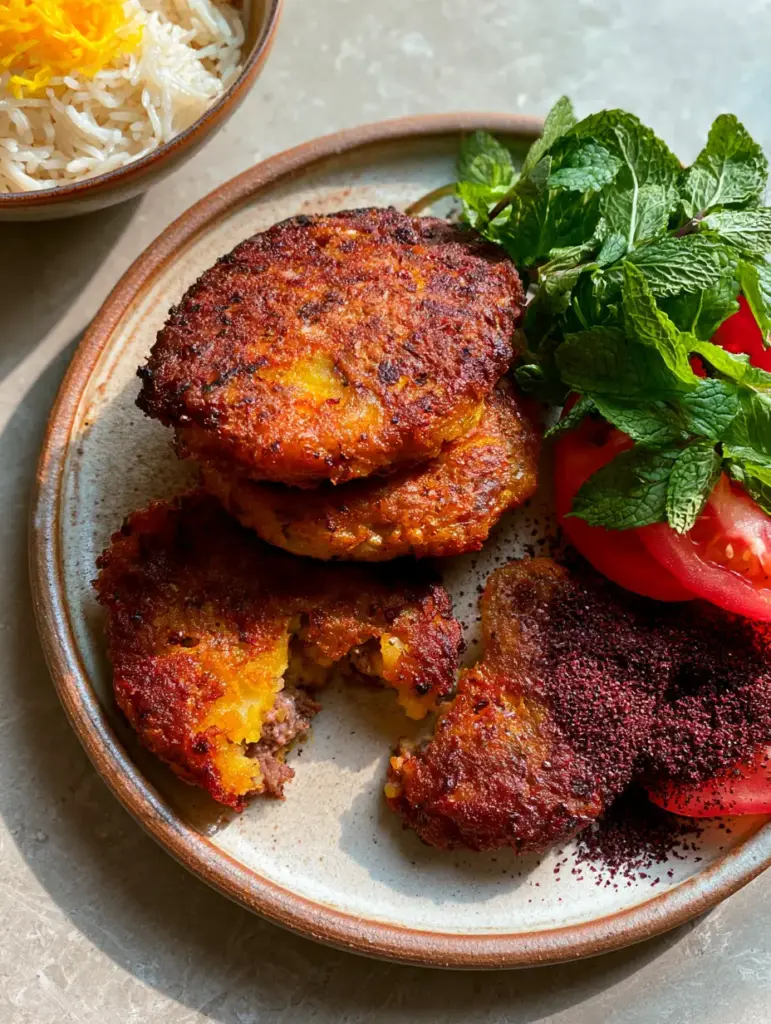
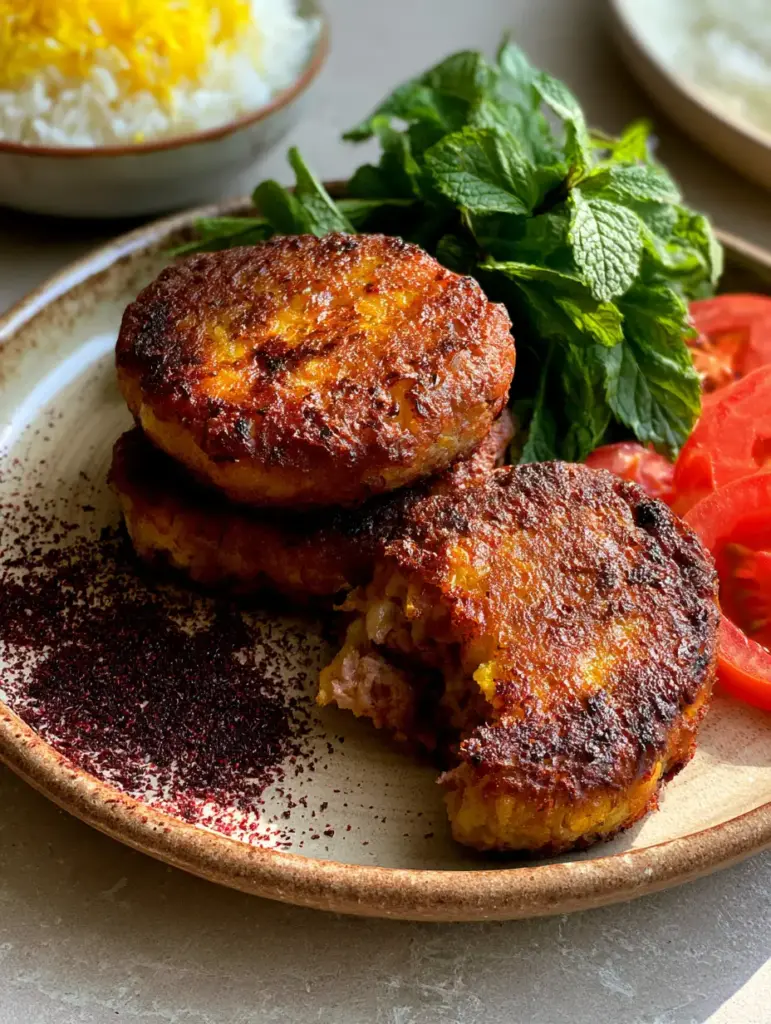
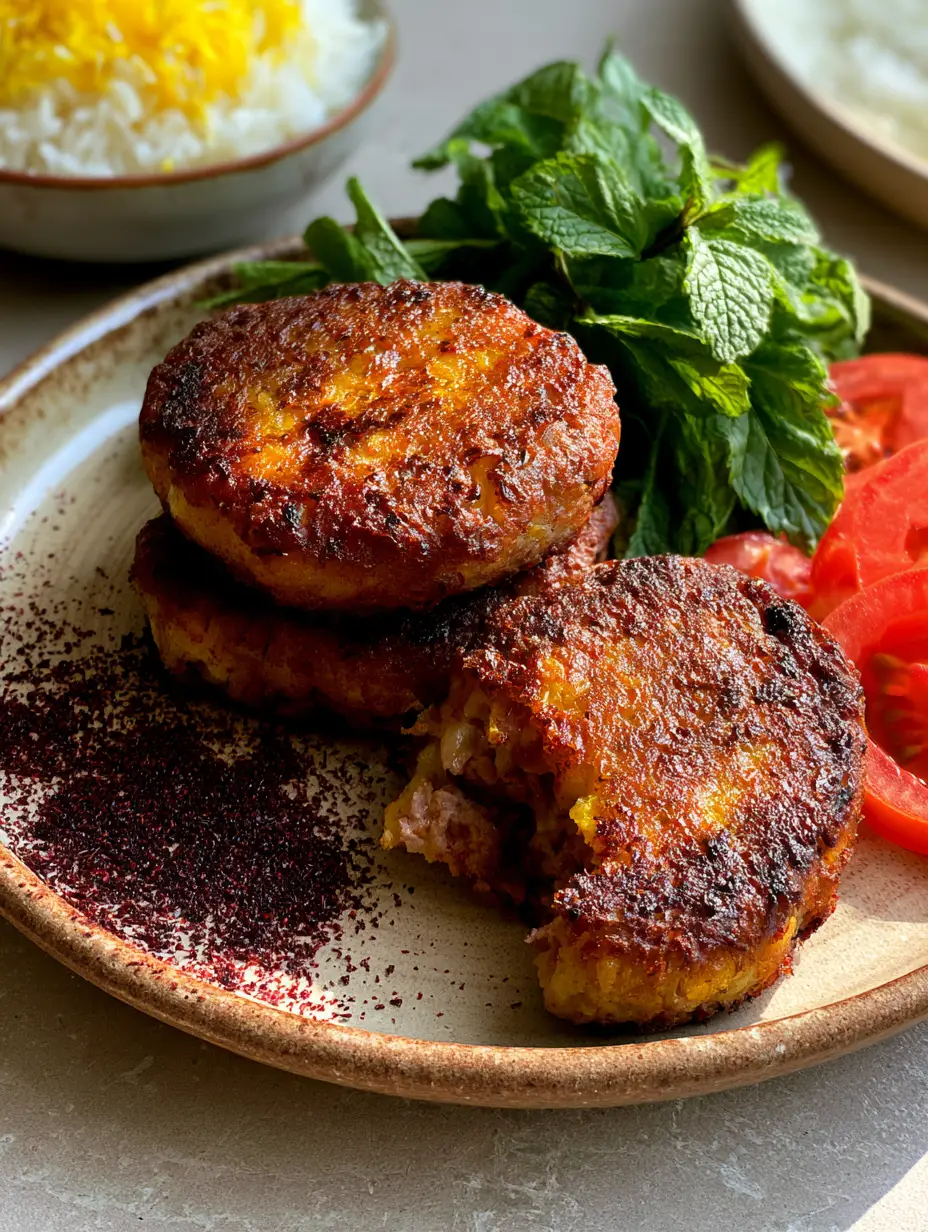
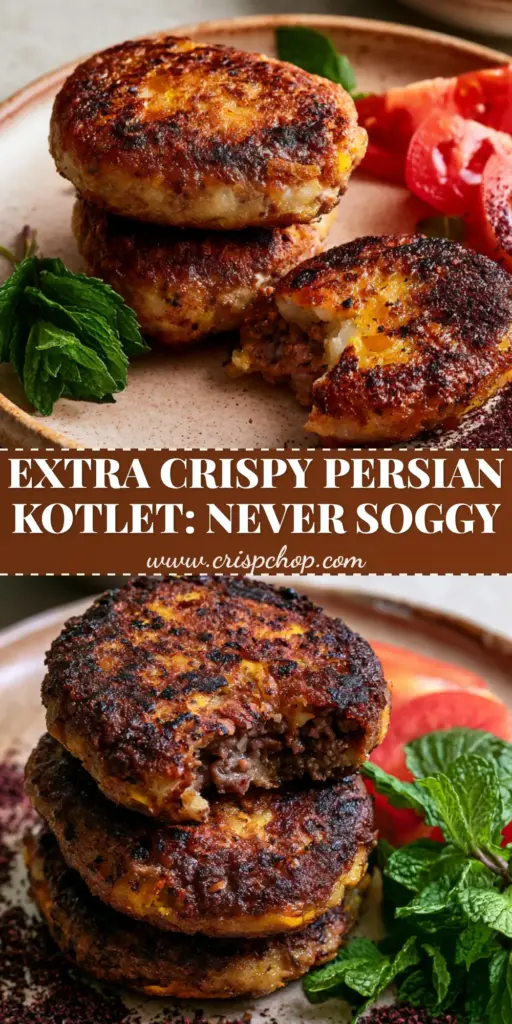
In this guide, we are recreating the exact visual and textural perfection seen in elite food photography. Imagine a stack of three oval patties resting on a rustic ceramic plate, their edges jagged and blistered from a perfect shallow fry. One patty is slightly broken, revealing a savory, succulent center of seasoned ground beef and softened potato. Garnished with bright red tomato slices, fresh green mint, and a heavy dusting of dark burgundy sumac, this Persian Kotlet recipe is a masterclass in balance.
Achieving that specific “jagged edge” requires more than just mixing ingredients; it requires an understanding of potato starch and heat management. Whether you are serving these as a main course or tucked into a sandwich, the Persian Kotlet remains the undisputed king of the Persian dinner table. Let’s dive into the forensic details of how to construct this iconic dish.
Why This Persian Kotlet Recipe Is a Game-Changer
- The Ultimate Texture Contrast: By using a specific ratio of grated and mashed potatoes, we achieve a crust that stays crispy for hours while the inside remains pillowy and moist.
- Forensic Visual Appeal: Every step is designed to mimic the high-resolution “jagged-edge” look, ensuring your dish looks exactly like a professional food shoot.
- Aromatic Depth: The combination of seared onion, turmeric, and sumac creates a complex flavor profile that elevates simple ground beef to gourmet status.
- Naturally Gluten-Free: These patties rely on potato starch and egg for structure, making them an accessible option for diverse dietary needs.
The Anatomy of a Perfect Persian Kotlet: Ingredients and Substitutions
To achieve the result of a moist interior and a seared, golden-brown crust, every ingredient must serve a structural and flavor purpose. Here is what you will need for your Persian Kotlet journey.
Lean Ground Beef: 1 lb (454g). Use a 90/10 or 85/15 lean-to-fat ratio to ensure the patties hold their shape without excess grease rendering out and making the crust soggy.
Russet Potatoes: 1.5 lbs (680g). Russets are high in starch, which is the secret to getting those jagged, extra-crispy edges when they hit the hot oil.
Yellow Onion: 1 large (approx. 250g). Finely grated onion provides moisture and a sharp sweetness that caramelizes against the meat during the frying process.
Large Eggs: 2 units. Eggs act as the primary binder, coagulating under heat to keep the beef and potato matrix from falling apart in the pan.
Ground Turmeric: 1 tsp (5g). This provides the essential yellow-gold hue and an earthy base note that is characteristic of authentic Persian Kotlet.
Fine Sea Salt and Cracked Black Pepper: 1.5 tsp (9g) and 1 tsp (5g) respectively. Essential for drawing out the natural flavors of the beef and seasoning the starch of the potatoes.
Neutral Frying Oil: 1 cup (240ml) or as needed. High-smoke point oils like avocado, canola, or grapeseed are required to achieve the blistering heat needed for that dark golden-brown crust.
Dried Sumac: 2 tbsp (12g). This dark burgundy spice provides a citrusy, astringent finish that cuts through the richness of the fried meat.
Fresh Mint and Sliced Tomatoes: For garnish. These add the “vibrant green” and “bright red” visual elements required for the authentic presentation described in our blueprint.
Essential Equipment for achieving Visual Perfection
You cannot achieve the jagged fried edges of a professional Persian Kotlet with subpar tools. You will need a heavy-bottomed skillet, preferably cast iron or high-quality stainless steel, to maintain constant thermal mass.
A fine-mesh grater or a food processor with a grating attachment is necessary for the onions and potatoes. Additionally, a spider skimmer or a slotted spatula is vital for flipping the patties without breaking their delicate, steaming centers.
Step-by-Step Evolution of the Perfect Persian Kotlet
Phase 1: Preparing the Starch Base
Wash your Russet potatoes thoroughly. Boil half of the potatoes (approx. 0.75 lbs) in salted water until fork-tender, then peel and mash them finely. Grate the remaining raw potatoes using the fine side of your grater and squeeze out every drop of excess moisture using a cheesecloth.
Combining cooked mashed potato with raw grated potato is the “Culinary Forensics” secret. The mashed portion provides the moist, steaming interior, while the raw grated starch creates the jagged, extra-crispy exterior crust seen in high-resolution photography.
Phase 2: The Mixing and Aeration Process
In a large mixing bowl, combine the ground beef, grated onion (squeezed dry), the two potato preparations, turmeric, salt, pepper, and eggs. Use your hands to knead the mixture for at least 5 minutes. This develops the proteins and ensures the turmeric is evenly distributed, giving the patties that “visible flecks of seared onion and turmeric” look.
If the mixture feels too wet to hold a shape, you may add 1-2 tablespoons of chickpea flour or breadcrumbs. However, for a truly authentic Persian Kotlet, the potato starch should be the primary structural element.
Phase 3: Shaping the Iconic Oval Patties
Divide the mixture into small balls, roughly the size of a large lemon. Flatten them into ovals approximately 1/2 inch (1.25cm) thick. Use your thumb to create a slight indentation in the center; this prevents the patty from bulging and ensures the edges stay in contact with the pan for maximum crispiness.
Phase 4: The Art of the Shallow Fry
Heat your oil in the skillet over medium-high heat. You are looking for a vigorous sizzle the moment the meat touches the pan. Carefully place 3-4 patties in the oil, being careful not to crowd the pan, which would drop the temperature and lead to greasy, limp edges.
Fry each side for 5-6 minutes. Look for a deep, golden-brown color and a visible “jagged” texture forming around the perimeter. The sound should be a steady, aggressive crackle. Flip only once to ensure the crust remains intact and the interior stays succulent and moist.
Expert Tips for Success
- The Moisture Rule: The enemy of a crispy Persian Kotlet is water. Squeeze your grated onions and raw potatoes until they are bone-dry to prevent the patties from steaming instead of searing.
- Temperature Control: If the oil is too cold, the patties absorb grease. If it’s too hot, the outside burns before the beef is cooked. Maintain a steady 350°F (175°C).
- Resting Period: Let the meat mixture rest in the refrigerator for 30 minutes before frying. This allows the starches to hydrate and makes shaping much easier.
- The Sumac Finish: Always apply the sumac immediately after frying while the patties are still glistening with a hint of oil; this helps the spice adhere and bloom.
Storage, Reheating, and Freezing
The Persian Kotlet is best enjoyed fresh from the pan, but it stores remarkably well. Keep leftovers in an airtight container in the refrigerator for up to 4 days. To maintain the crispy exterior, reheat them in a toaster oven or a dry skillet over medium heat rather than the microwave.
For long-term storage, you can freeze the uncooked shaped patties between layers of parchment paper. Fry them directly from frozen, adding an extra 2 minutes per side to ensure the interior is steaming and cooked through.
What to Serve With Persian Kotlet
To complete the visual blueprint, serve your Persian Kotlet with a bowl of fluffy, saffron-stained basmati rice. The bright yellow top layer of the rice provides a stunning contrast to the dark burgundy sumac and golden patties. You can find detailed instructions on achieving this rice texture in our guide to classic jeweled rice.
For a lighter meal, tuck the patties into a warm flatbread with sliced tomatoes, fresh mint, and pickles. This dish also pairs beautifully with other traditional sides like creamy Mast-o-Khiar or even served alongside Kabob Koobideh for a grand Persian feast. If you enjoy this flavor profile, you should also explore our Persian chicken recipes.
Frequently Asked Questions
Yes! While beef is traditional, ground lamb adds richness, and ground chicken or turkey creates a lighter version. Ensure the lean-to-fat ratio remains similar for best results.
Russets are best for the ‘extra-crispy’ texture due to their high starch content. Yukon Golds can be used but will result in a softer, less jagged crust.
The secret is using a mix of finely grated raw potato and mashed boiled potato. The raw starch strands fry up into those signature crispy, jagged edges.
No. Unlike a burger, Kotlet uses a high ratio of potato to meat and is seasoned with turmeric and saffron/sumac, creating a completely different texture and flavor profile.
This usually happens if there is too much moisture in the mixture or not enough binder. Ensure you squeeze the grated potatoes and onions until completely dry, and don’t skip the eggs.
The Ultimate Persian Kotlet Recipe
Persian Kotlet: The Secret to Extra-Crispy Beef and Potato Patties
Ingredients
Equipment
Method
- Boil 0.75 lbs of potatoes until tender; mash finely. Grate the remaining 0.75 lbs of raw potatoes and squeeze out all moisture.
- Combine beef, onions, both potato preps, spices, and eggs. Knead by hand until a cohesive paste forms.
- Form into lemon-sized balls, then flatten into ovals 1/2 inch thick with a slight center indentation.
- Heat oil in skillet. Fry patties for 5-6 minutes per side until extra-crispy and golden-brown with jagged edges.
- Dust immediately with sumac and serve with fresh mint and tomato slices.
Notes
Use a heavy skillet to maintain a consistent high heat for jagged edges.
Closing and Call to Action
Mastering the Persian Kotlet is a rite of passage for any home cook looking to explore the depths of Persian cuisine. By focusing on the “Forensic Visual Accuracy” of the jagged edges and the “Culinary Logic” of the potato-to-meat ratio, you can create a dish that is as beautiful as it is delicious. The combination of the extra-crispy crust and the aromatic sumac dusting makes this recipe a guaranteed family favorite.
Did you achieve those perfect golden-brown edges? We want to see your results! Leave a comment below, share your photos, and sign up for our newsletter for more deep-dives into culinary excellence. Don’t forget to pin this recipe to your favorite boards on Pinterest to keep this guide handy for your next dinner party!