This pan fried fish recipe is the only guide you need to achieve a restaurant-quality, golden-brown crispy crust right in your own kitchen. There is something truly magical about a thick, flaky white fish fillet hitting a hot pan and transforming into a buttery, succulent masterpiece. If you have ever struggled with fish sticking to the pan or turning out soggy, this method will change your culinary life forever.
By focusing on moisture control and precise temperature management, we create a pan fried fish recipe that rivals the finest seafood bistros. The contrast between the shattered-glass crispness of the exterior and the tender, translucent flakes inside is what makes this dish a viral sensation on Pinterest. Whether you are a seasoned chef or a home cook looking for a quick yet elegant dinner, this recipe delivers every single time.
Why This Pan Fried Fish Recipe Works Every Time
- The Perfect Sear: We utilize the Maillard reaction to create a deep golden-brown crust that seals in all the natural juices.
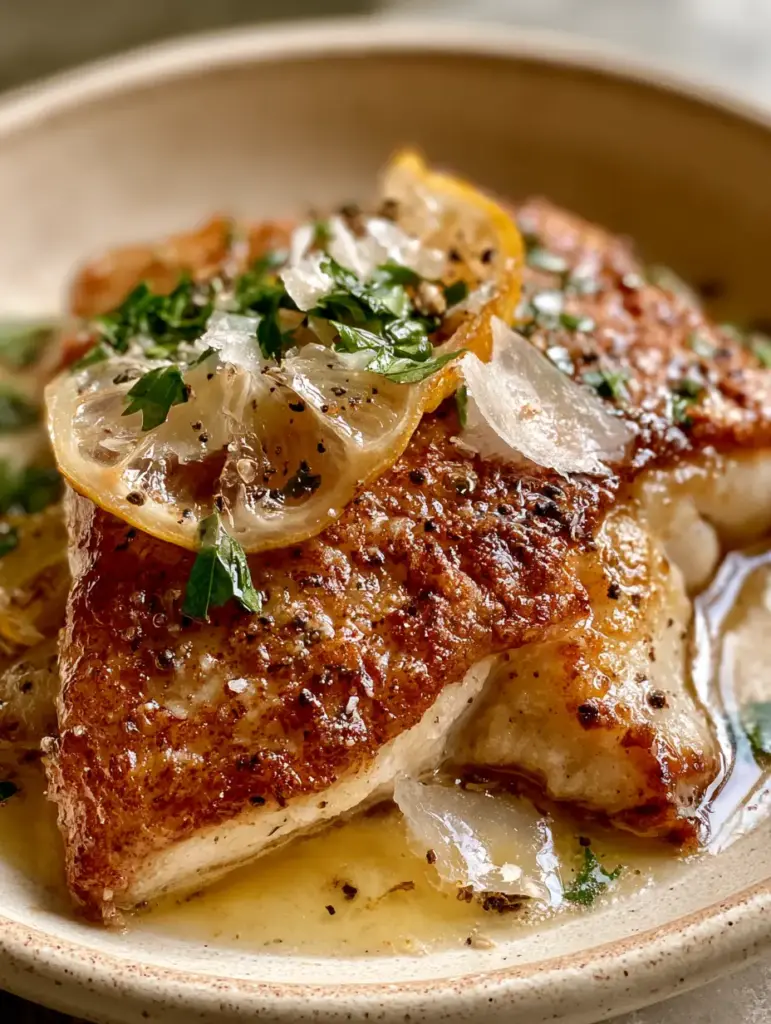
- Velvety Lemon Butter Sauce: A translucent, glossy finish that adds a bright acidity to cut through the richness of the sear.
- Scientific Precision: By using dual Imperial and Metric measurements, we ensure global accuracy for every stovetop.
- Visual Brilliance: Topped with paper-thin lemon slices and emerald-green parsley for a high-end presentation.
If you enjoy this sophisticated seafood preparation, you should also check out my crispy fried shrimp or explore more famous French dishes that celebrate simple, high-quality ingredients. This pan fried fish recipe fits perfectly into a rotation of French comfort food classics.
Essential Ingredients for a Golden-Brown Crust
White Fish Fillets: Choose a thick, firm fillet like Cod, Halibut, or Sea Bass. 1 lb (450g) of fish should be cut into two even portions to ensure even cooking.
High Smoke Point Oil: Use 2 tablespoons (30ml) of Avocado oil or Grapeseed oil. These oils can withstand the high heat required for this pan fried fish recipe without burning.
Unsalted Butter: 3 tablespoons (42g) of high-quality butter. This is used for basting, creating that signature nutty aroma and glossy finish seen in the Visual Recipe Blueprint.
Fresh Aromatics: One whole lemon, half sliced into paper-thin translucent rounds and half reserved for juice. A handful of fresh parsley, finely chopped, provides the essential emerald-green contrast.
Finishing Touches: High-quality sea salt flakes and freshly cracked black pepper. These aren’t just for flavor; they provide the forensic visual accuracy required for an elite food blog presentation.
The Science of Prepping Your Fish
Eliminating Moisture for Maximum Crunch
The biggest enemy of a pan fried fish recipe is moisture. If the surface of the fish is wet when it hits the oil, it will steam rather than sear. Use heavy-duty paper towels to pat the fillets bone-dry on all sides.
Pro Tip: After patting dry, let the fish sit uncovered in the refrigerator for 15 minutes. This further dehydrates the surface, ensuring the most incredible golden-brown, crispy seared crust imaginable.
Seasoning for Depth
Only season your fish immediately before it goes into the pan. If you salt too early, the salt will draw moisture out of the flesh, ruining your chances of a crispy exterior. Use a generous amount of sea salt and cracked black pepper to highlight the delicate flavors of the white fish.
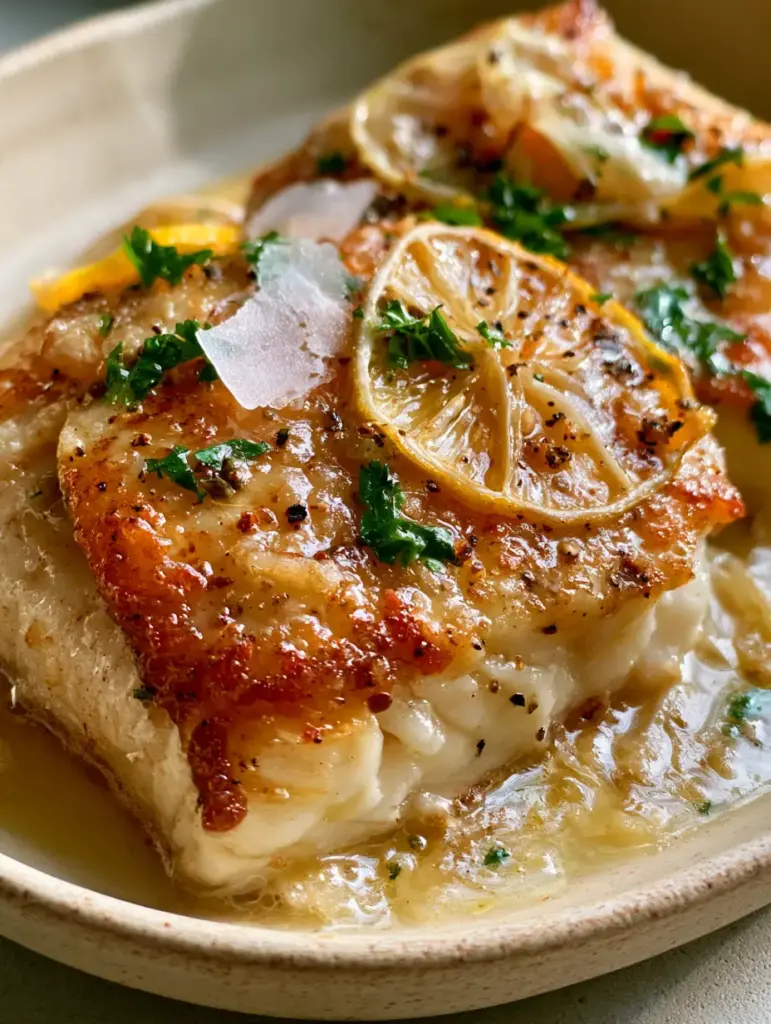
Mastering the Pan-Sear Technique
Heating the Skillet
Place a heavy-bottomed stainless steel or cast-iron skillet over medium-high heat. Add your high smoke point oil. You will know the pan is ready when the oil begins to shimmer and a tiny wisp of smoke appears. This is the critical moment for your pan fried fish recipe.
The Initial Sear
Carefully lay the fish fillets into the pan, laying them away from you to avoid oil splashes. Do not move them. For the first 3-4 minutes, let the heat work its magic. You are looking for a visible golden-brown ring to form around the bottom edge of the fillet.
The Flip and The Baste
Once the crust is set, gently flip the fillet using a fish spatula. Now, lower the heat to medium and add the butter, translucent lemon slices, and a squeeze of fresh lemon juice to the pan. As the butter melts and foams, use a spoon to continuously pour the hot lemon butter over the fish.
This “basting” technique is what creates the velvety, translucent lemon butter sauce that pools slightly around the base, exactly as described in our Midjourney Prompt. The lemon slices will begin to soften and become slightly jammy.
Expert Tips for Success
- Don’t Overcrowd: If you put too many fillets in the pan, the temperature will drop, and you will lose the sear. Cook in batches if necessary.
- Use a Fish Spatula: This thin, flexible tool allows you to get under the delicate crust without breaking the fillet.
- Temperature Control: If the butter starts to turn dark brown too quickly, slide the pan off the heat for 30 seconds to regulate the temperature.
- Visual Cues: The fish is done when it is opaque throughout and flakes easily with a fork, usually around 145°F (63°C) internal temperature.
What to Serve with Pan Fried Fish
This dish is remarkably versatile. For a light lunch, pair it with a sumac onion salad for a bright, acidic bite. If you are serving this as a main course for dinner, consider these classic French side dishes like roasted asparagus or a creamy potato purée.
For those looking for a complete Mediterranean spread, this fish goes beautifully with freshly baked pita bread and a side of steamed cabbage for an unexpected but delicious fusion of textures.
Storage, Reheating, and Freezing
Storage: While best served immediately to maintain the crispy crust, leftovers can be stored in an airtight container in the refrigerator for up to 2 days.
Reheating: Avoid the microwave! To preserve the pan fried fish recipe texture, reheat in a 350°F (175°C) oven or a dry skillet over medium heat until warmed through.
Freezing: We do not recommend freezing cooked pan-fried fish, as the delicate texture of the crust and the moisture of the fish will be compromised upon thawing.
Frequently Asked Questions
Yes, but it must be completely thawed and dried thoroughly. Frozen fish often contains more internal moisture, so extra care is needed during the drying phase.
Ensure your pan and oil are shimmering hot before adding the fish, and most importantly, make sure the fish is patted completely dry with paper towels.
You can do both! If leaving the skin on, start skin-side down and press gently with a spatula to ensure the skin remains flat and gets maximum crispness.
Firm white fish like Cod, Halibut, Sea Bass, or Snapper are best. They hold their shape well under high heat and provide a beautiful contrast to a crispy crust.
This usually happens if the heat is too low, the pan is overcrowded, or the fish was seasoned too far in advance, causing moisture to draw out to the surface.
The Ultimate Pan Fried Fish Recipe Card
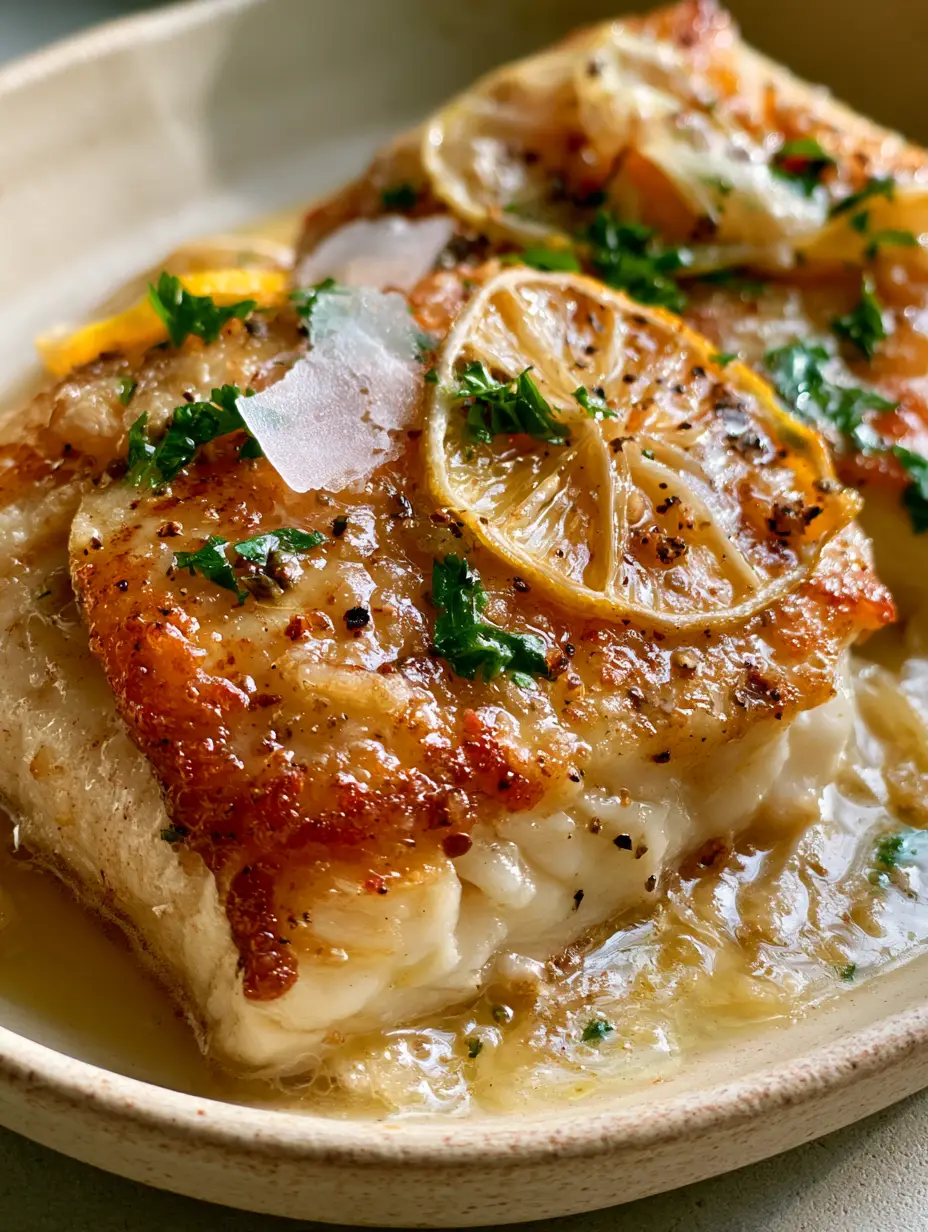
Pan Fried Fish Recipe: The Ultimate Crispy Lemon Butter Fillet
Ingredients
Equipment
Method
- Pat the white fish fillets extremely dry with paper towels on all sides to ensure a crispy crust.
- Immediately before cooking, season both sides of the fillets with salt and cracked black pepper.
- Heat oil in a skillet over medium-high until shimmering. Place fish in the pan away from you.
- Sear for 3-4 minutes without moving until a golden-brown crust forms. Flip carefully.
- Add butter, lemon slices, and lemon juice. Spoon the foaming butter over the fish for 2-3 minutes.
Notes
Tip 2: Use a stainless steel pan to get the best fond and pan sauce.
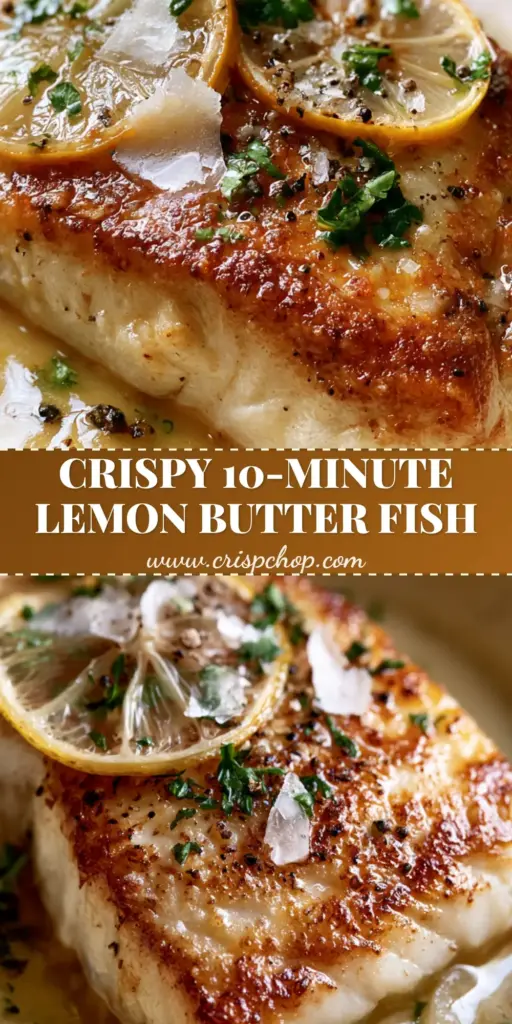
Join the CrispChop Community!
Did you achieve that perfect golden-brown crust? We want to see it! Save this recipe to your Seafood board on Pinterest so you never lose it. Follow @crispchop for more ultra-visual, high-flavor recipes that make home cooking feel like a five-star experience.
Please leave a 5-star rating in the recipe card above and drop a comment below with a photo of your masterpiece. Happy cooking!