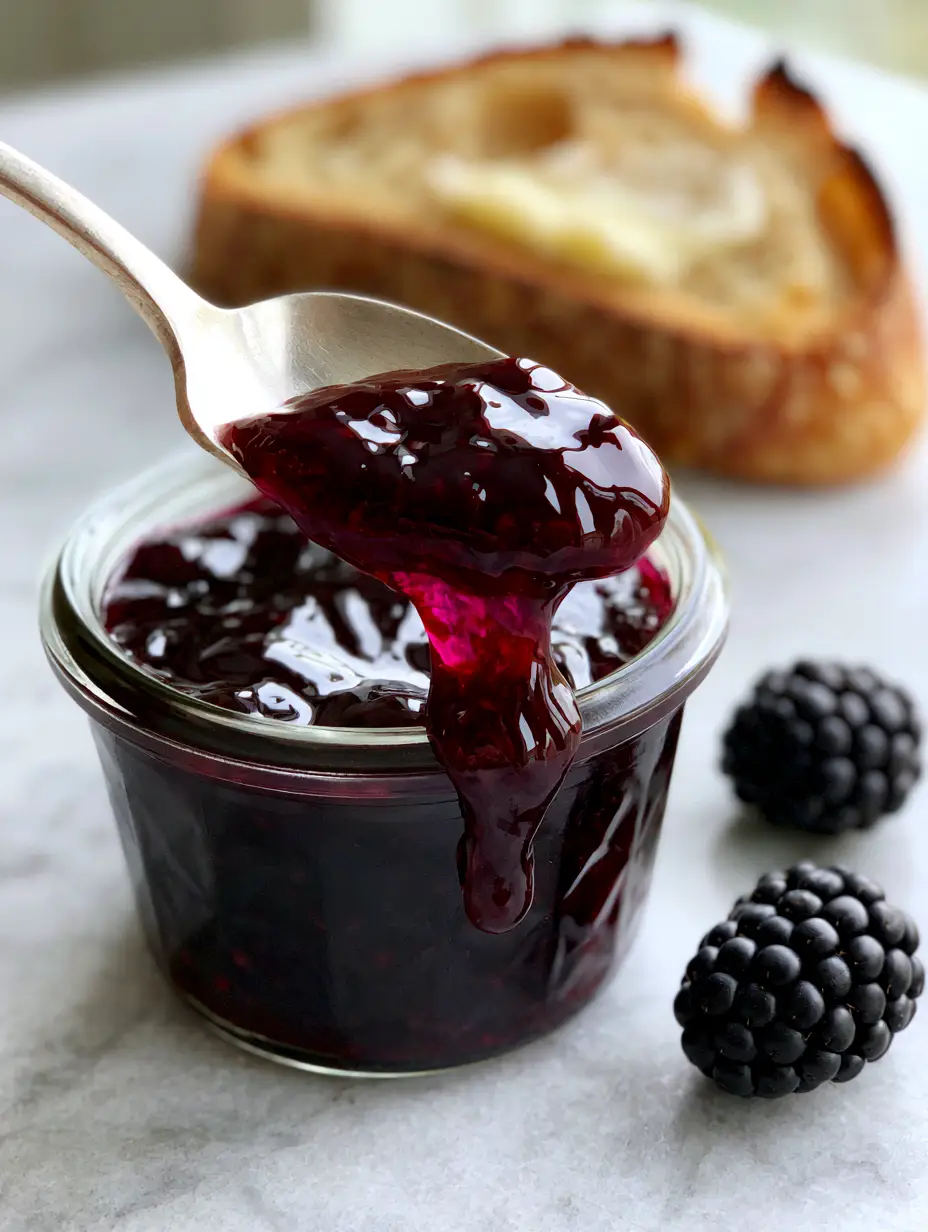
There is a specific kind of magic that happens when seasonal fruit meets a heavy-bottomed pot and controlled heat. This blackberry jam recipe isn’t just a condiment; it is a deep, translucent obsidian purple elixir designed to catch the soft morning light on a piece of golden sourdough. Whether you are a seasoned preserver or a first-time jam maker, achieving that velvety, thick texture that drips slowly from a silver spoon is a culinary triumph.
Imagine the contrast of a matte, fresh blackberry against a glossy fruit glaze that has been refined to seedless perfection. We are moving away from the chunky, rustic preserves of the past and stepping into the realm of high-end, artisanal fruit reductions. This process focuses on intensifying the natural magenta highlights of the berries while creating a structural integrity that holds up beautifully on a melt of salted butter.
The Science of the Perfect Seedless Berry Glaze
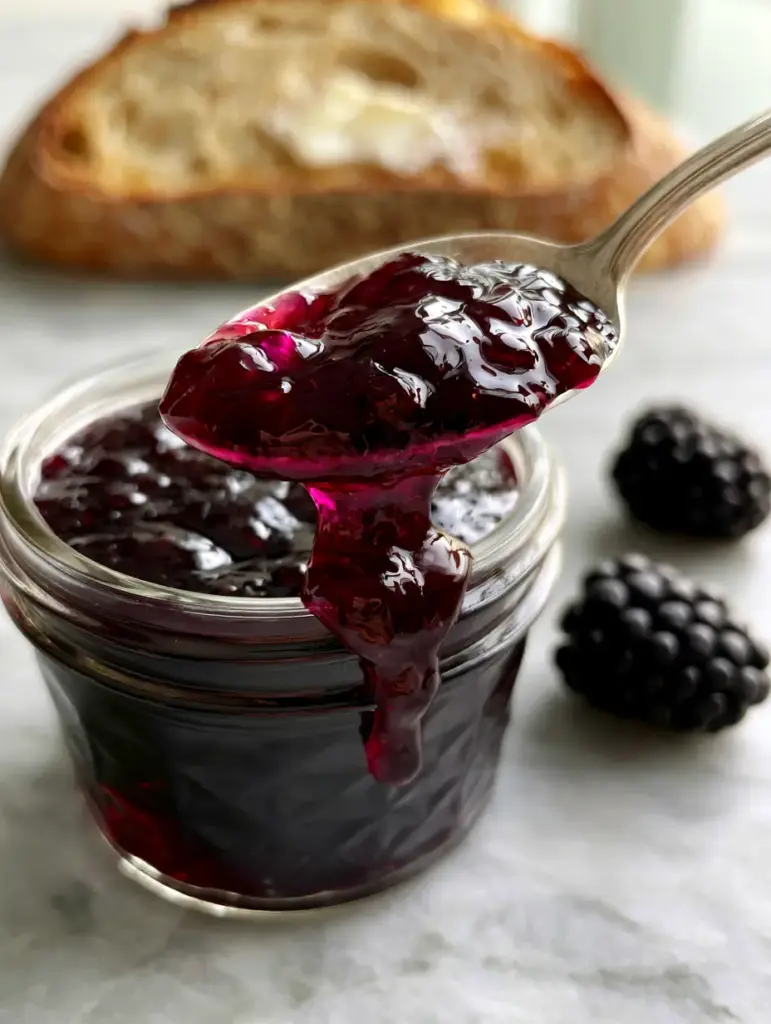
To achieve the result seen in our visual blueprint, we must understand the relationship between pectin, acid, and sugar. Blackberries are naturally rich in anthocyanins, which provide that stunning deep purple hue, but they require a precise balance to set without becoming rubbery. By removing the seeds, we create a smooth, light-reflecting surface that mimics a professional pastry chef’s mirror glaze.
- Unrivaled Texture: A completely smooth, seedless finish that feels like silk on the palate.
- Visual Depth: A translucent obsidian color with vibrant magenta clarity.
- Perfect Set: A thick, slow-motion drip that stays exactly where you spread it.
- Sophisticated Flavor: A concentrated blackberry essence balanced by high-quality sea salt and citrus.
Essential Components for an Obsidian Fruit Reduction
Fresh or Frozen Blackberries: You will need 6 cups (900g) of the plumpest berries available. Fresh berries provide a brighter flavor, but high-quality frozen berries often have a more consistent sugar content for a reliable set.
Granulated Sugar: 3 cups (600g) of sugar act as the preservative and the structural “glue” for the jam. Sugar is hygroscopic, meaning it binds with water to allow the natural pectin to form a mesh-like network.
Freshly Squeezed Lemon Juice: 2 tablespoons (30ml) of acid are non-negotiable for the blackberry jam recipe. Acid lowers the pH of the mixture, which is the “on switch” for the pectin molecules to bond together.
Salted Butter: A tiny knob of butter, about 1 teaspoon (5g), is the professional secret to a crystal-clear glaze. It breaks the surface tension of the boiling fruit, preventing foam from clouding the deep purple translucency.
Fine Sea Salt: A generous pinch (2g) helps to cut through the intense sweetness and highlights the floral notes of the berries. This is what makes the jam pair so exceptionally well with savory breakfast sides.
Precision Tools for Artisanal Preserving
To recreate the macro-level detail of our visual prompt, you cannot rely on standard kitchen spoons alone. A heavy-bottomed stainless steel pot or a traditional copper jam pan is essential for even heat distribution, preventing the bottom from scorching while the top reduces. You will also need a fine-mesh chinois or sieve to ensure every single seed is removed from the reduction.
A digital candy thermometer is your best friend here, as we are looking for the “gel point” of 220°F (104°C). Finally, use a heavy silver spoon for testing the consistency; the weight and temperature of the silver provide a traditional tactile gauge for how the jam will behave once cooled in the glass jar.
Step-by-Step Mastery of the Blackberry Jam Recipe
Phase 1: The Maceration and Initial Breakdown
Begin by rinsing your blackberries in cold water and patting them dry. Place the berries and sugar in your heavy pot and use a potato masher to crush them roughly. Let this mixture sit for 30 minutes; this maceration process draws out the juices and ensures the sugar is fully hydrated before it ever touches the flame.
Phase 2: The First Boil and Seed Extraction
Place the pot over medium-high heat and bring to a rolling boil, stirring constantly. Once the berries have broken down into a liquid state (about 8-10 minutes), remove the pot from the heat. Carefully pour the hot mixture through your fine-mesh sieve into a large bowl, using the back of a spoon to press out every drop of juice while leaving the seeds behind.
Phase 3: The Final Reduction to Obsidian Purple
Wash your pot to remove any stray seeds, then return the strained juice to the heat. Add the lemon juice and the tiny knob of butter. Boil the liquid rapidly. You are looking for a visual transformation: the bubbles will change from thin and frothy to large, heavy, and “glossy” as the water evaporates and the jam thickens.
Phase 4: The Cold Plate Test
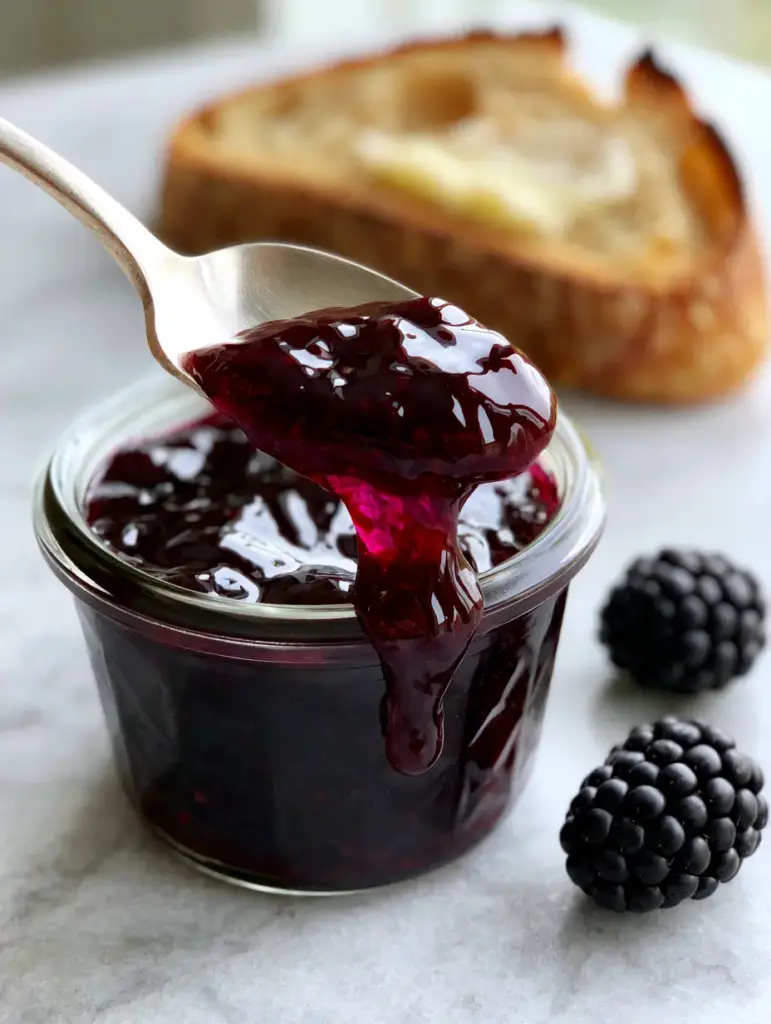
When the jam reaches 220°F (104°C), or when the slow-motion drip from your silver spoon looks thick and velvety, perform the wrinkle test. Place a small spoonful on a chilled plate and wait 30 seconds. Push the jam with your finger; if it wrinkles and holds its shape, your blackberry jam recipe is a success.
Pro-Tips for Achieving Handheld Smartphone Photo Quality
- Temperature Control: Never rush the final reduction; a moderate, steady boil produces a clearer jam than a violent, scorching heat.
- Skimming: Even with the butter trick, some impurities may rise to the surface. Use a wide metal spoon to skim these off for that “translucent obsidian” look.
- Jar Sterilization: Warm your clear glass jars in the oven at 225°F (110°C) before filling. This prevents the glass from cracking and ensures a shelf-stable seal.
- Storage: Keep your jam in a cool, dark place to preserve those vibrant magenta highlights from oxidation.
The Perfect Artisanal Pairings
While this jam is a star on its own, it excels when paired with high-contrast textures. A thick slice of toasted sourdough provides the necessary structural crunch to support the velvety jam. The “visible melt” of salted butter creates a savory fatty barrier that prevents the jam from soaking into the bread, maintaining the visual separation seen in our blueprint.
If you are looking for a full brunch spread, consider serving this alongside refreshing fruit cocktails or even as a sophisticated topping for sweet rice cakes. For a more savory application, a small dollop of this reduction works wonders on a glazed salmon bowl to add a touch of acidity and sweetness.
The Preservationist’s Guide to Storage
Once opened, this seedless reduction should be kept in the refrigerator, where it will maintain its peak flavor and “glossy glaze” texture for up to 4 weeks. For long-term storage, you can use a traditional water bath canning method to make the jars shelf-stable for up to one year. If you notice any crystallization, simply stir in a teaspoon of warm water to restore the smooth consistency.
Frequently Asked Questions
Yes, frozen berries work perfectly. They often release their juices more easily during the maceration phase, which can actually lead to a more intense flavor profile in the final reduction.
The secret to a mirror-like gloss is removing the seeds and adding a tiny amount of butter during the boil to prevent foaming. Straining through a fine-mesh chinois is essential for that translucent obsidian look.
If properly refrigerated in an airtight glass jar, this jam will stay fresh for up to 4 weeks. For year-long storage, use a standard 10-minute water bath canning process.
Boil the berries until they are fully broken down and soft first. Use a chinois and press firmly with the back of a ladle to extract the concentrated pulp and juice while leaving the dry seeds behind.
Jam usually fails to set due to insufficient acidity or not reaching the gel point of 220°F (104°C). Ensure you use the full amount of lemon juice and check the temperature with a digital thermometer.
The Signature Blackberry Jam Recipe Card
Blackberry Jam Recipe: The Ultimate Glossy Seedless Reduction
Ingredients
Equipment
Method
- In a heavy pot, crush blackberries and sugar together. Let sit for 30 minutes to draw out juices.
- Bring the mixture to a rolling boil for 8-10 minutes until berries are fully broken down.
- Press the hot mixture through a fine-mesh sieve to remove all seeds, then return the smooth juice to a clean pot.
- Add lemon juice, salt, and butter. Boil rapidly until it reaches 220°F (104°C) and shows a thick, glossy, slow-motion drip.
Notes
Adding a small amount of butter ensures the jam remains translucent and foam-free.
Join the CrispChop Community
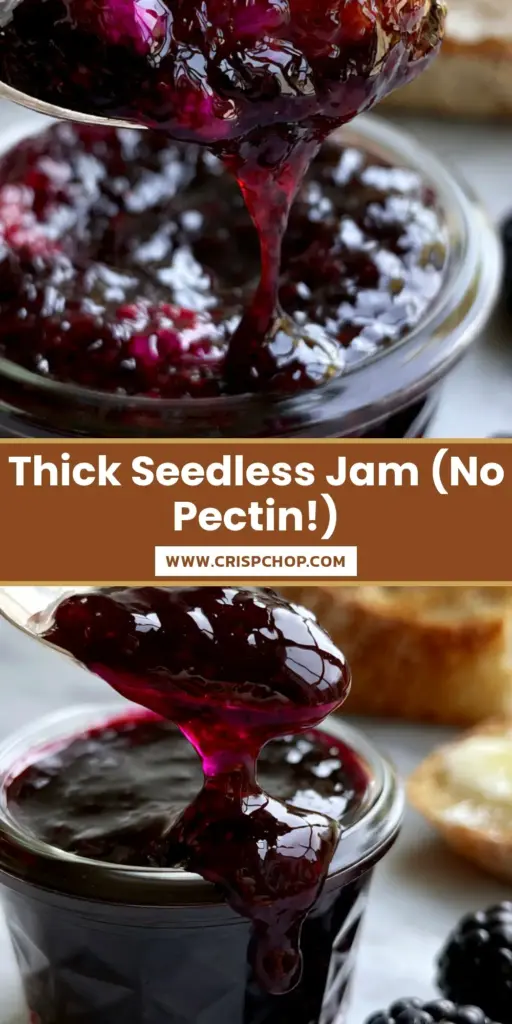
Crafting the perfect blackberry jam recipe is a journey of sensory cues and patience. We want to see your results! Does your jam have those deep magenta highlights? Does it hold its shape on a silver spoon? Share your photos and tag us, and don’t forget to pin this recipe to your favorite boards on Pinterest for your next morning bake. For more fruit-forward inspiration, check out our guide on innovative fruit snacks.