There is a specific, soul-satisfying sound that occurs when you bite into Hot honey wings that have been engineered for maximum crunch. It is a resonant, glass-like shatter that gives way to succulent, juicy chicken, followed immediately by a rush of spicy, floral sweetness. This isn’t just a recipe; it is a culinary blueprint for achieving that elusive “craggy” texture you usually only find in high-end gastropubs.
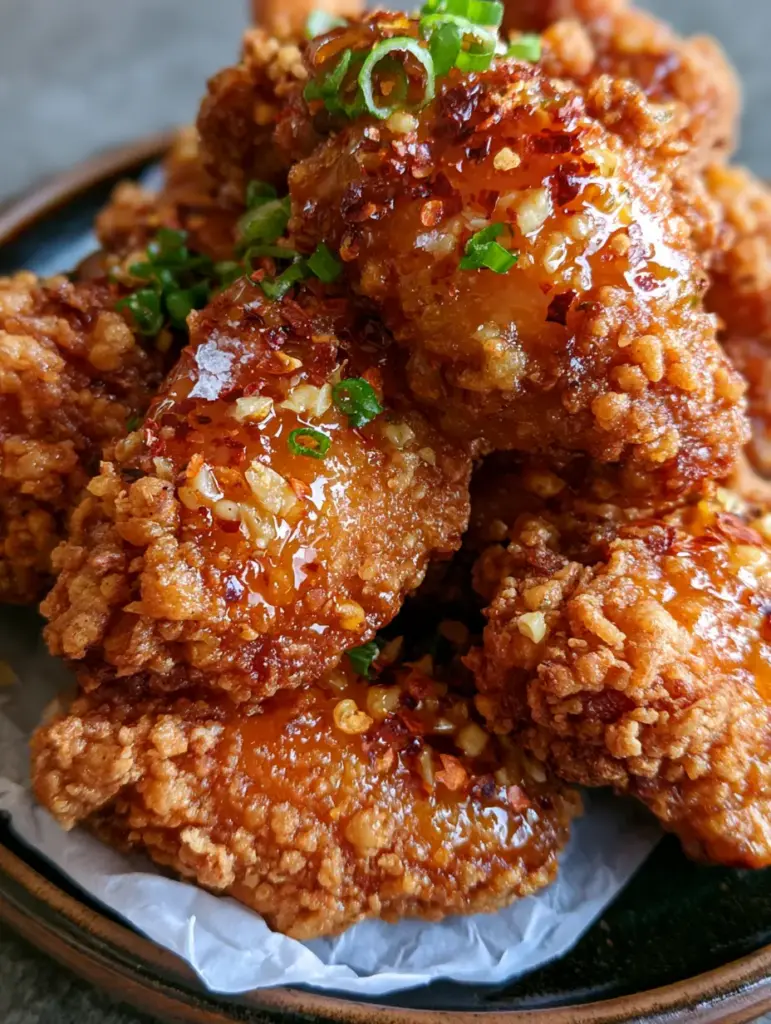
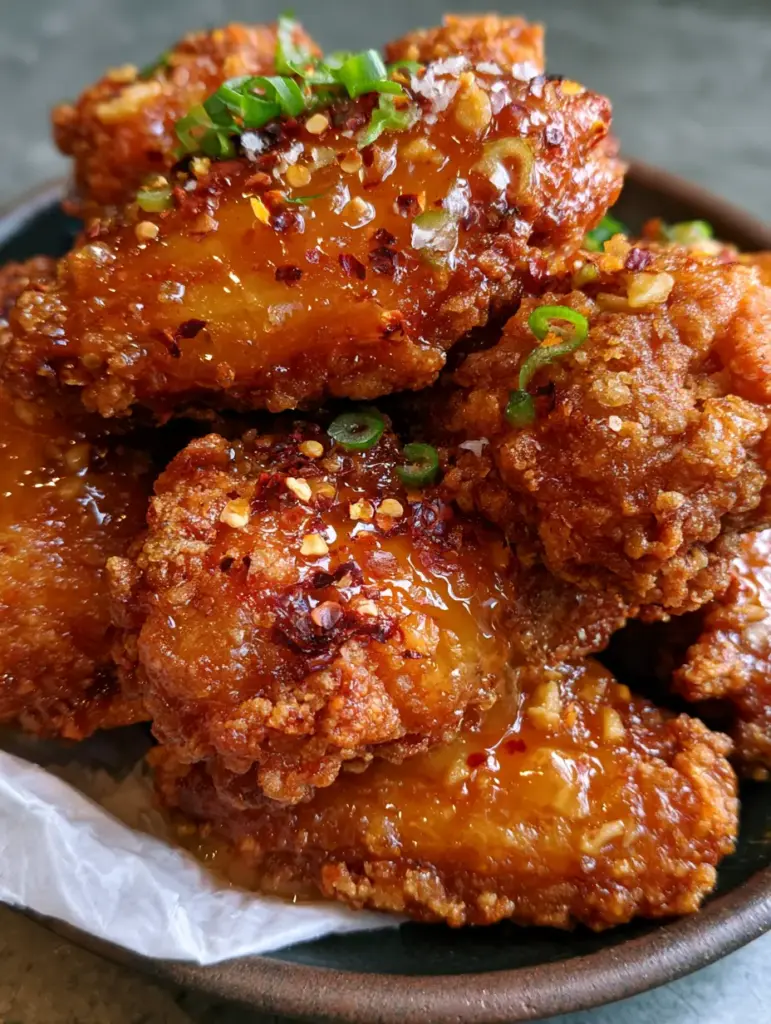
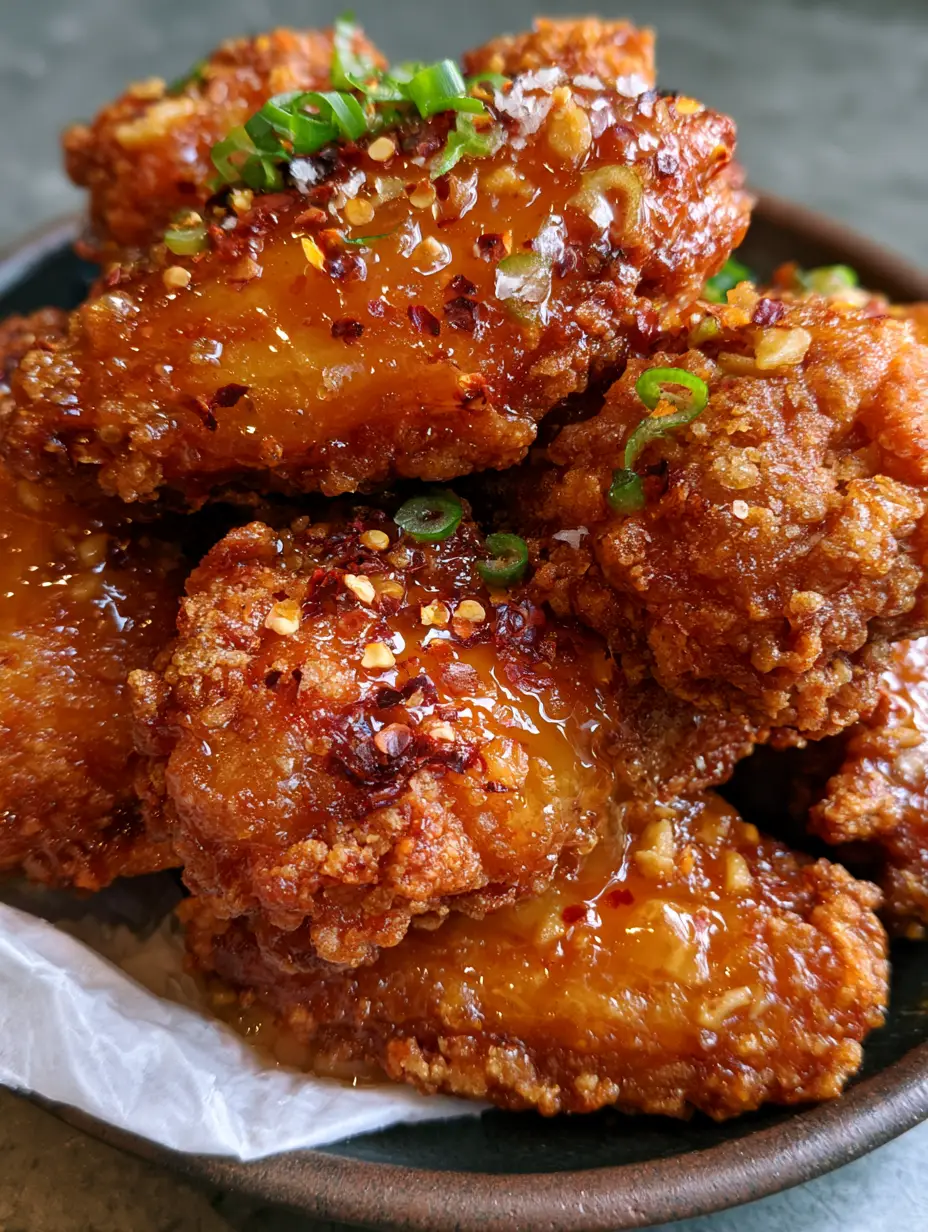
The visual appeal of these wings is undeniable. Imagine a pile of jumbo wings, their surfaces a jagged landscape of golden-brown ridges and crumbles, resting on crumpled white parchment. They are bathed in a translucent, amber-hued glaze that catches the light like liquid jewels, punctuated by tiny bits of sautéed garlic and a vibrant green shower of scallions. This is the gold standard of social-media-ready comfort food.
By combining a double-fry technique with a sophisticated hot honey and garlic butter emulsion, we are creating a dish that balances heat, fat, and sugar in every single crevice. Whether you are hosting a game day or looking for a weeknight indulgence, these wings deliver a sensory experience that far exceeds the standard buffalo fare.
Why These Extra-Crispy Wings Redefine Comfort Food
- The Double-Fry Advantage: We use a two-stage frying process to render the fat and create a structurally sound, moisture-resistant crust.
- The Craggy Texture: A specialized flour-dredging technique creates “crumbles” and “ridges” that act as tiny hooks for the glossy glaze.
- Amber Glaze Complexity: By emulsifying melted garlic butter with thick honey, we achieve a translucent coating that stays sticky without becoming soggy.
- Visual Garnish Strategy: The contrast of bright scallions, red pepper flakes, and flaky sea salt provides a professional finish and layered flavor.
If you enjoy the balance of sweet and heat in this dish, you will likely love our sriracha honey salmon for a lighter weeknight alternative. Both recipes rely on that addictive sugar-and-spice profile that keeps you coming back for more.
Foundational Ingredients for the Perfect Crunch
To achieve the result seen in our visual blueprint, each ingredient must serve a structural or flavor-driven purpose. We do not use “fluff” ingredients; every item on this list is a requirement for excellence.
Jumbo Chicken Wings: Use 2 lbs (900g) of separated flats and drumettes. The larger size ensures the meat stays juicy while the exterior undergoes the intense double-fry process.
All-Purpose Flour and Cornstarch: A 2:1 ratio of 1 cup (125g) flour to 1/2 cup (60g) cornstarch is vital. The cornstarch interferes with gluten development, resulting in a crispier, more brittle crust.
Baking Powder: 1 tsp (5g) of baking powder creates tiny carbon dioxide bubbles when it hits the hot oil. This is the secret to those “crumbles and ridges” described in our visual prompt.
High-Smoke Point Oil: You will need approximately 2 quarts (1.9L) of peanut or canola oil. These oils can handle the 375°F (190°C) temperatures required for the second fry without breaking down.
The Amber Hot Honey: 1/2 cup (170g) of high-quality clover honey provides the base. Its translucency is what allows the golden crust to peek through the glaze.
Unsalted Garlic Butter: 4 tbsp (56g) of butter, melted and infused with 4 cloves (20g) of minced sautéed garlic. The fat in the butter helps the honey coat the wings evenly without sliding off.
The Flavor Finishers: 1 tsp (2g) crushed red pepper flakes for heat, 3 thinly sliced green scallions (15g) for freshness, and a pinch of flaky sea salt (like Maldon) to make the flavors pop.
For a refreshing drink to cut through the richness and heat of these wings, consider pairing them with a homemade strawberry acai refresher. The acidity and cold temperature are the perfect foil for the spicy garlic glaze.
Professional Gear for Deep-Fried Success
Achieving a restaurant-quality finish requires the right tools to monitor temperature and manage the wings safely. You cannot eyeball oil temperature if you want consistent results.
First, a heavy-bottomed Dutch oven or deep fryer is essential. Cast iron is preferred because it holds heat exceptionally well, preventing the oil temperature from plunging when the wings are added.
Second, an instant-read thermometer or deep-fry thermometer. We need to hit specific targets of 325°F (163°C) and 375°F (190°C). Without this, your wings may end up greasy or burnt.
Third, a wire cooling rack set over a baking sheet. Never drain fried wings on paper towels. Paper towels trap steam, which will immediately soften that craggy crust you worked so hard to build.
The Master Method: Achieving the Craggy Golden-Brown Crust
Phase 1: Preparing the Wings and the “Crag” Dredge
Pat your jumbo wings extremely dry with paper towels. Moisture is the enemy of the crunch. Season them lightly with salt and pepper to ensure the meat itself is flavorful.
In a large bowl, whisk together your flour, cornstarch, baking powder, and a teaspoon of salt. Here is the professional tip: flick a few drops of water or hot sauce into the flour mixture and toss it with a fork. This creates small, pea-sized clumps of flour that will stick to the wings, forming the “crusted ridges” seen in our visual guide.
Dredge each wing in the mixture, pressing firmly so the flour clumps adhere to the skin. Shake off the excess and let them rest on a rack for 10 minutes. This “hydration” period allows the flour to bond to the skin, preventing the coating from falling off in the fryer.
Phase 2: The Initial Render (The First Fry)
Heat your oil to 325°F (163°C). Carefully lower the wings in batches. Do not overcrowd the pot. We are frying them for 6-8 minutes until they are a pale, matte gold.
This stage isn’t about the final crunch; it’s about cooking the chicken through and rendering the fat out of the skin. Remove the wings and let them rest for at least 15 minutes. They should look dull—don’t worry, the magic happens in the next step.
Phase 3: The High-Heat Crisping (The Second Fry)
Increase your oil temperature to 375°F (190°C). This higher heat will flash-fry the exterior, creating that shatter-crisp, golden-brown crust. Fry the wings again for 2-3 minutes until they are deeply bronzed and visually “craggy.”
Listen for the sound: the bubbling will slow down as the moisture is fully cooked out of the crust. This is your cue that they are ready. Transfer them immediately to the wire rack and sprinkle with a tiny bit of salt while the oil is still wet on the surface.
Phase 4: Building the Amber Garlic Butter Glaze
While the wings rest for a moment, melt the butter in a small saucepan over medium heat. Add the minced garlic and sauté for 1-2 minutes until fragrant and slightly softened—do not let it brown or it will turn bitter.
Whisk in the honey and a pinch of red pepper flakes. Heat until the mixture begins to bubble and the honey becomes thin and translucent. This “amber” glaze should be thick enough to coat a spoon but thin enough to flow into every crevice of the wing crust.
In a large stainless steel bowl, toss the hot wings with the glaze. Use a silicone spatula to fold them gently, ensuring every ridge is coated in the glossy, translucent sauce. You want them to look wet and shimmering, catching the light as they move.
Expert Tips for Success
- Temperature Control: If your oil drops below 300°F (150°C), the wings will absorb the oil and become greasy. Always wait for the oil to return to temperature between batches.
- The Garlic Secret: Sautéing the garlic in butter before adding the honey removes the “raw” bite and creates a mellow, nutty base that complements the sweetness.
- Don’t Over-Sauce: Add the glaze gradually. You want the wings to be glossy and translucent, not swimming in a pool of honey, which would eventually soften the crust.
- Flash Heat the Honey: Never boil the honey for too long, as it will turn into a hard candy stage and become too sticky to eat comfortably.
If you love poultry but want a more formal presentation, our lemon garlic roast chicken offers those same aromatic garlic notes in a roasted format.
Keeping the Crunch: Storage and Reheating
Hot honey wings are best enjoyed immediately. However, if you have leftovers, they can be stored in an airtight container in the refrigerator for up to 3 days. The honey will act as a humectant, so they will lose some crunch over time.
To reheat and restore the texture, avoid the microwave at all costs. Instead, place the wings on a wire rack in a 375°F (190°C) oven or air fryer for 5-7 minutes. This will re-caramelize the honey and crisp the flour coating back up to its former glory.
What to Serve With These Spicy Wings
Since these wings are rich and bold, they pair beautifully with sides that offer texture or a cooling effect. A classic celery and blue cheese dip is standard, but you can elevate the meal significantly with more creative pairings.
For a complete feast, try serving these alongside monterey chicken spaghetti for a cheesy, comforting side, or even some steamed dumplings if you want to lean into an Asian-fusion appetizer spread. The diversity of textures will keep the palate engaged.
Frequently Asked Questions
Yes, but to get the ‘craggy’ texture, you should spray the flour-dredged wings generously with oil. Air fry at 400°F (200°C), shaking the basket frequently until golden-brown.
Honey has a high sugar content and burns easily. Only toss the wings in the glaze *after* they have finished frying, and keep the glaze on low heat just until ready to serve.
Baking powder is alkaline and increases the pH of the chicken skin, breaking down peptide bonds. This results in a skin that crisps up faster and more thoroughly, creating those iconic crags.
The clarity comes from using high-quality honey and emulsifying it with melted butter rather than cream. Sautéing the garlic first ensures the glaze remains clear rather than cloudy.
This usually happens if the oil temperature drops too low. Ensure your oil returns to 375°F (190°C) for the second fry. Additionally, overcrowding the pot leads to steaming rather than frying.
The Perfect Hot Honey Wings Recipe
This recipe combines the science of double-frying with the art of a perfectly balanced glaze. The result is a jumbo chicken wing that is as visually stunning as it is delicious. Follow these steps for the ultimate “craggy” crunch and glossy amber finish.
Hot Honey Wings: The Ultimate Double-Fried Garlic Butter Recipe
Ingredients
Equipment
Method
- Whisk flour, cornstarch, and baking powder. Flick in water drops to create clumps. Coat dry wings in the mixture, pressing to adhere crumbles.
- Fry wings at 325°F (163°C) for 6-8 minutes until pale gold. Remove and rest for 15 minutes.
- Increase oil to 375°F (190°C). Fry for 2-3 minutes until deep golden-brown and extra crispy.
- Sauté minced garlic in butter. Add honey and red pepper flakes. Simmer until translucent and amber.
- Toss wings in the hot glaze. Top with scallions and flaky sea salt.
Notes
Use a wire rack instead of paper towels for draining to maintain the craggy texture.
Closing & Call to Action
Mastering Hot honey wings is a rite of passage for any home cook who loves bold flavors and incredible textures. The combination of the craggy, golden-brown crust and the shimmering amber glaze creates a dish that is truly unforgettable. If you made this recipe, please leave a comment below and let us know how your “crags” turned out!
Don’t forget to share your gorgeous wing photos with us and save this recipe to your favorite boards on Pinterest so you never lose the secret to the perfect double-fry.