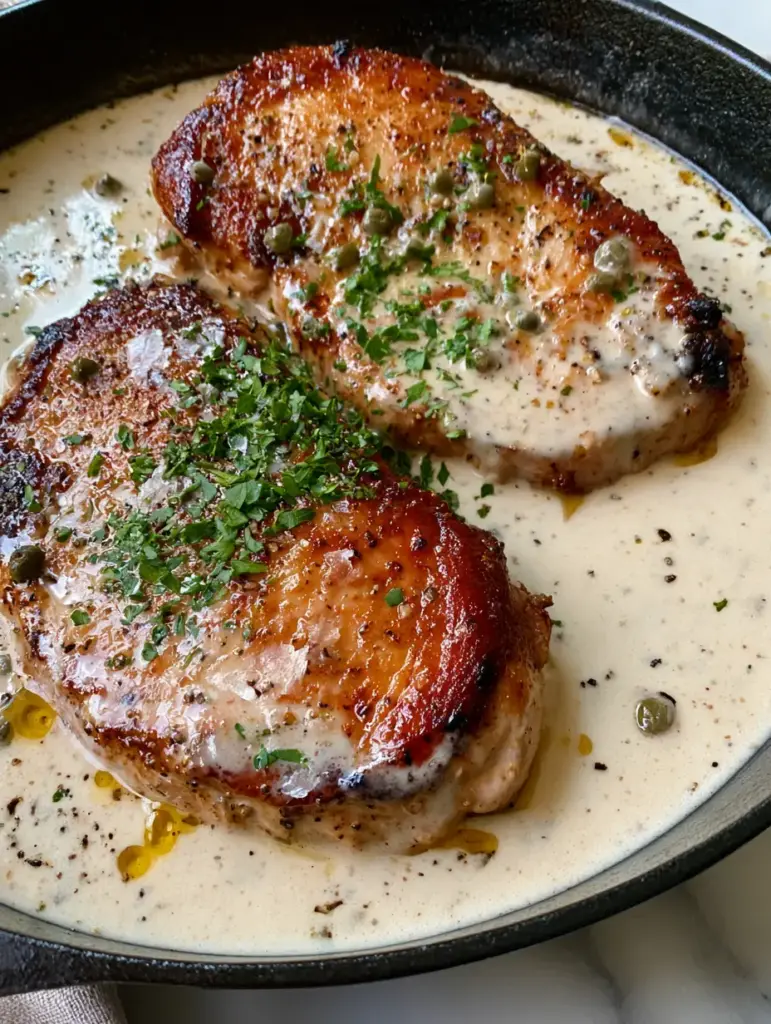
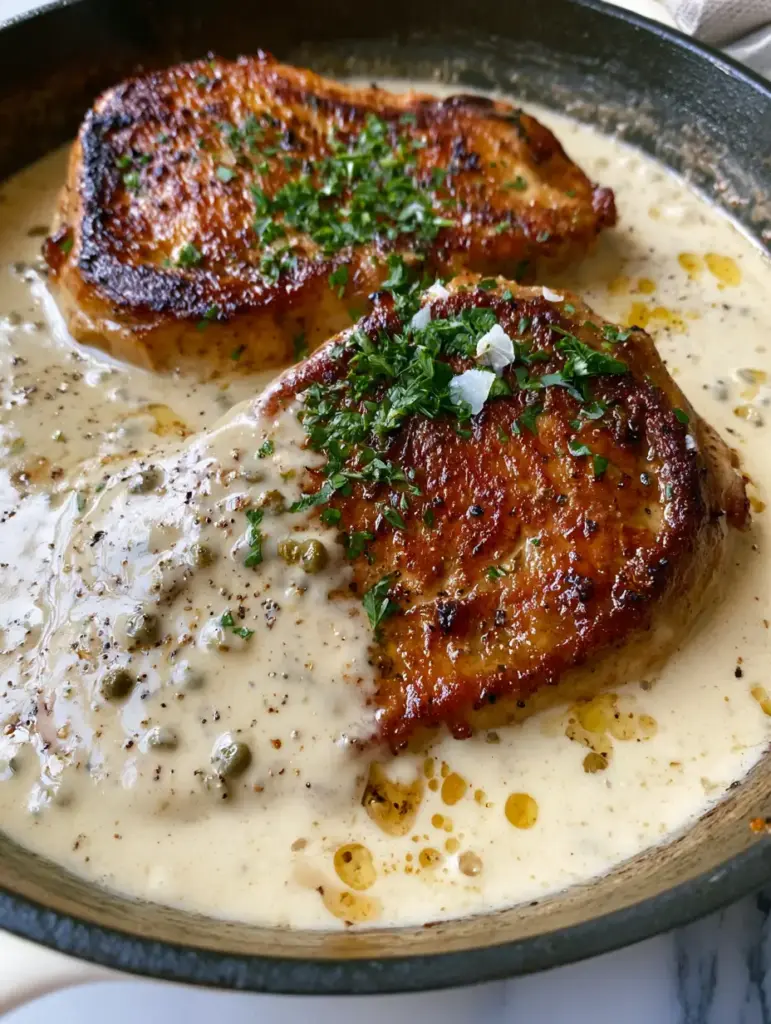
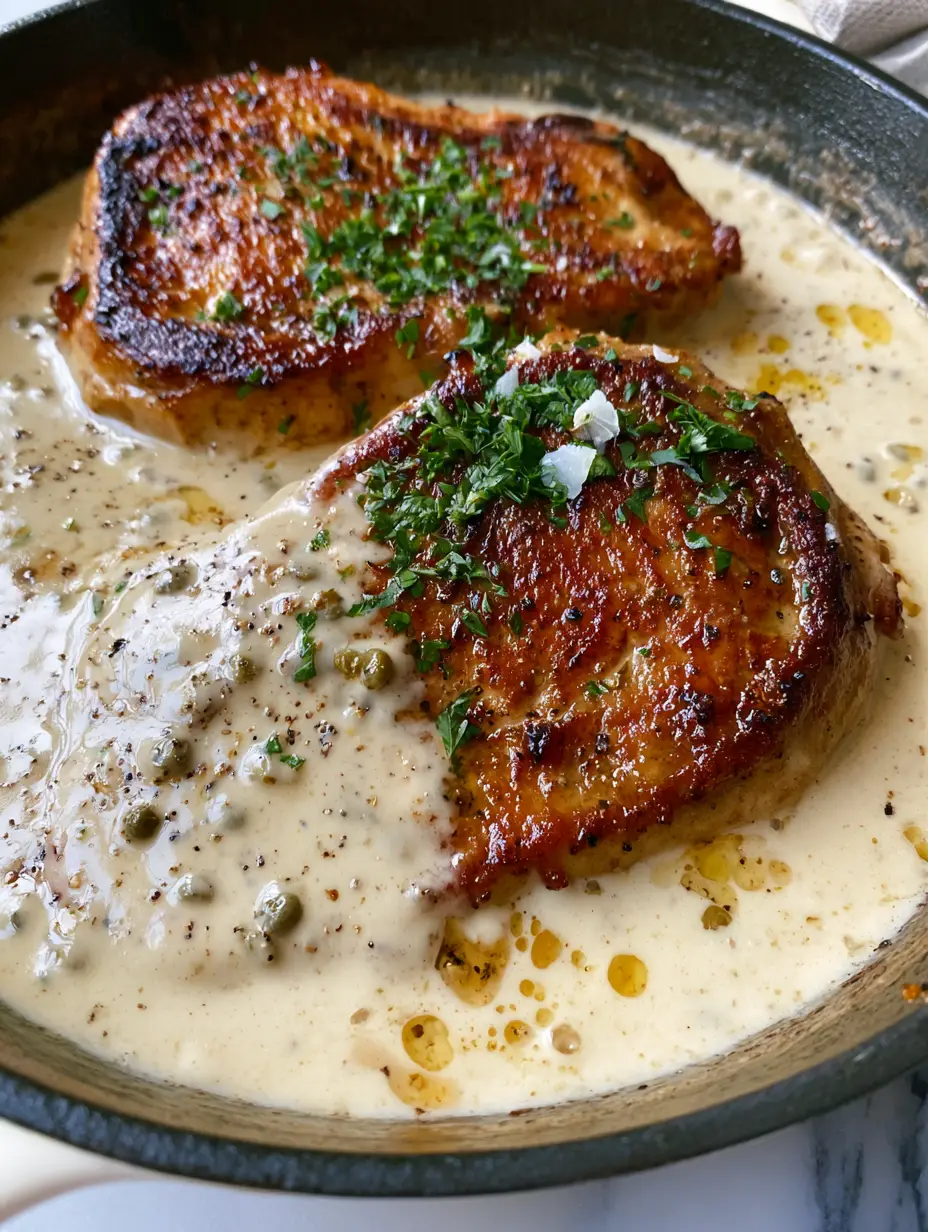
Chicken au poivre brings the sophisticated flair of a Parisian bistro right into your home kitchen, transforming humble poultry into a five-star masterpiece. This dish is defined by its deeply seared, mahogany-brown crust and a luxurious, ivory-colored cream sauce that balances the heat of cracked peppercorns with the sweetness of cognac.
If you have ever marveled at the glossy, silk-like sauces found in high-end steakhouses, this recipe is your gateway to mastering that exact technique. We are moving beyond basic seasoning to create a flavor profile that is bold, complex, and visually stunning, featuring tiny bubbles of golden oil and a vibrant sprinkle of fresh herbs.
The Chicken au poivre experience is as much about the texture as it is about the taste. From the audible crunch of the golden-brown crust to the pop of whole green peppercorns, every bite offers a sensory journey that proves why French culinary logic remains the gold standard for home cooks everywhere.
What Makes This Chicken au poivre Truly Exceptional?
- The Mahogany Crust: We use high-heat cast iron techniques to achieve a deep, crispy sear that locks in moisture and provides a structural contrast to the cream.
- The Dual-Pepper Punch: A combination of coarse cracked black pepper for heat and whole green peppercorns for a mild, briny tang creates layers of spice.
- Glossy Ivory Emulsion: The sauce is finished with heavy cream and cognac, resulting in a thick, “nappé” consistency that clings perfectly to the meat.
- Gourmet Finishing Touches: Maldon sea salt flakes and finely minced flat-leaf parsley provide the final highlights that elevate the visual presentation to professional levels.
Pantry Staples for a Bistro-Quality Chicken au poivre
To achieve the specific visual results of our blueprint—that deep mahogany sear and thick ivory sauce—every ingredient must serve a structural or flavor-driven purpose. Below are the essentials required for this culinary feat.
Chicken Breasts: 2 large (approx. 500g) boneless, skinless breasts. Choose even-sized pieces to ensure they cook through at the same rate while achieving that signature golden-brown crust.
Whole Green Peppercorns: 2 tbsp (30g) brined green peppercorns. These provide the characteristic “pop” and mild acidity found in traditional au poivre preparations.
Black Peppercorns: 1 tbsp (15g) coarsely cracked. For the best visual speckling and a sharp heat, always crack these fresh rather than using pre-ground pepper.
Cognac or Brandy: 1/4 cup (60ml). This is the traditional deglazing agent that provides a deep, fruity undertone and creates the foundation for the sauce’s mahogany-oil highlights.
Heavy Cream: 1/2 cup (120ml). High-fat cream is essential for achieving the thick, ivory-colored gloss that characterizes the Midjourney visual prompt.
Shallots: 1 medium (40g) finely minced. Shallots offer a delicate sweetness that bridges the gap between the pungent pepper and the rich cream.
Unsalted Butter: 2 tbsp (30g). Used for both the initial sear and finishing the sauce to add a professional-grade sheen and rich mouthfeel.
High-Heat Oil: 1 tbsp (15ml) grapeseed or avocado oil. You need an oil with a high smoke point to achieve the deep mahogany sear without burning the fats.
Fresh Flat-Leaf Parsley: 2 tbsp (10g) finely minced. This adds a necessary pop of green and a fresh, herbaceous finish to the heavy sauce.
Maldon Sea Salt: A generous pinch of flakes. These large flakes provide a crystalline texture and catch the light beautifully for your final presentation.
The Essential Tools for Success
Achieving the visual hallmarks of this dish—specifically the crispy edges and the thick, glossy sauce—requires the right heat conductors. A seasoned cast iron skillet is the non-negotiable hero of this recipe.
Cast iron retains heat more efficiently than stainless steel or non-stick surfaces, allowing for the Maillard reaction to work its magic on the chicken’s surface. You will also need a sturdy whisk for emulsifying the cream and a sharp chef’s knife for mincing the parsley into a fine dust.
Step-By-Step Instructions for the Perfect Chicken au poivre
Preparing the Chicken for a Maximum Sear
Pat the chicken breasts extremely dry using paper towels. Moisture is the enemy of a golden-brown crust; any surface water will cause the chicken to steam rather than sear.
Season the chicken generously on both sides with sea salt and the coarsely cracked black pepper. Press the pepper into the flesh with the palm of your hand to ensure it adheres during the high-heat cooking process.
Achieving the Mahogany-Brown Crust
Heat your cast iron skillet over medium-high heat until it is wisps of smoke start to rise. Add the high-heat oil and 1 tbsp (15g) of butter, swirling until the butter foam subsides and turns a pale nut-brown.
Place the chicken in the skillet. Press down slightly with a spatula to ensure full surface contact. Sear undisturbed for 5-6 minutes until a deep mahogany-brown crust forms and the edges look crispy and dark golden.
Flip the chicken and cook for another 4-5 minutes. Once the internal temperature reaches 165°F (74°C), remove the chicken to a plate and tent loosely with foil. Do not wash the pan; those browned bits (the fond) are the secret to your sauce.
Deglazing and Building the Ivory Cream Sauce
Reduce the heat to medium and add the minced shallots to the remaining fat in the skillet. Sauté for 1-2 minutes until translucent, then add the whole green peppercorns, slightly crushing a few with the back of a spoon to release their oils.
Carefully pour in the cognac. If using a gas stove, be prepared for a brief flambé; otherwise, let the liquid bubble and scrape the bottom of the pan with a wooden spoon to release the flavorful fond.
Once the cognac has reduced by half, whisk in the heavy cream. Simmer the sauce for 3-4 minutes until it thickens into a glossy, ivory-colored silk. You should see tiny bubbles of golden oil from the chicken fat surfacing in the cream.
The Final Assembly and Garnish
Lower the heat and add the chicken breasts back into the pan, along with any juices that collected on the plate. Spoon the thick sauce over the chicken until it is partially submerged.
Finish the dish by scattering a generous amount of finely minced parsley and several flakes of Maldon sea salt over the top. The contrast of the green herbs against the ivory sauce and mahogany chicken is the hallmark of a professional Chicken au poivre.
Expert Tips for a Five-Star Finish
- The Spoon Test: Your sauce is ready when it coats the back of a spoon (nappé). If you run your finger through the sauce on the spoon, the line should stay clean.
- Tempering the Cream: Ensure your heavy cream is at room temperature before adding it to the hot skillet to prevent the sauce from breaking or curdling.
- Control the Heat: If the peppercorns start to smell scorched, immediately add your liquid. Burnt pepper can turn the sauce bitter.
- Resting is Key: Letting the chicken rest before slicing ensures the juices redistribute, keeping the meat “thick and juicy” as described in the visual prompt.
Storage, Reheating, and Freezing
Chicken au poivre is best enjoyed immediately to appreciate the crispness of the sear. However, leftovers can be stored in an airtight container in the refrigerator for up to 3 days.
To reheat, place the chicken and sauce in a small skillet over low heat. Add a splash of chicken broth or water to loosen the cream sauce, as it will thicken significantly when cold. Avoid the microwave, as it can make the chicken rubbery and cause the sauce to separate.
We do not recommend freezing this dish, as the heavy cream sauce will likely break and lose its glossy, ivory texture upon thawing.
What to Serve with Your Peppery Masterpiece
To balance the richness of the cognac cream sauce, we recommend serving this dish over a bed of garlic mashed potatoes or alongside crusty French bread to soak up every drop of liquid gold.
For a lighter pairing, a crisp green salad or some tender string beans provides a refreshing crunch. If you’re looking for more poultry inspiration, our traditional chicken shawarma offers a completely different but equally bold flavor profile.
If you have extra chicken breasts, you can also repurpose them for a quick weeknight Monterey chicken spaghetti or a fresh Greek chicken grain bowl.
Frequently Asked Questions
Yes, you can substitute cognac with brandy, dry sherry, or even a splash of chicken stock mixed with a teaspoon of Worcestershire sauce for depth, though the flavor profile will slightly shift.
Use a high-smoke-point oil (like grapeseed) and a cast iron skillet. Ensure the chicken is bone-dry before searing and maintain medium-high heat, only flipping once the crust naturally releases from the pan.
The ‘au poivre’ technique is most famously applied to steak (Steak au poivre), but the same principles of peppercorn-crusting and cognac-cream reduction work beautifully with chicken breasts.
Black peppercorns provide sharp heat and a strong aroma, while brined green peppercorns offer a milder, slightly tart flavor and a softer texture that pops in the mouth.
Sauces usually break if the heat is too high or if cold cream is added to a boiling pan. To prevent this, use room-temperature heavy cream and keep the sauce at a gentle simmer rather than a rolling boil.
The Ultimate Chicken au poivre Recipe
Chicken au poivre with a Velvety Cognac Peppercorn Sauce
Ingredients
Equipment
Method
- Pat chicken breasts dry with paper towels. Season with sea salt and cracked black pepper, pressing the pepper into the meat.
- Heat oil and 1 tbsp butter in a cast iron skillet over medium-high heat. Sear chicken for 5-6 minutes per side until a deep mahogany-brown crust forms. Remove and tent with foil.
- In the same skillet, sauté shallots and green peppercorns for 2 minutes.
- Add cognac, scraping the bottom to release the fond. Reduce by half, then whisk in heavy cream. Simmer until thick and glossy.
- Return chicken to the pan. Garnish with minced parsley and Maldon sea salt flakes.
Notes
Ensure the cream is at room temperature to avoid curdling.
Closing & Call to Action
Mastering Chicken au poivre is a rite of passage for any serious home cook. The combination of high-heat searing and classic French saucing techniques results in a dish that looks as good as it tastes—boasting that perfect mahogany crust and luxurious cream sauce.
Did you achieve that perfect sear? Let us know in the comments below! If you loved this recipe, please share your photos and tag us, or pin this to your favorite dinner board on Pinterest for later.
“`