When the summer heat reaches its peak, nothing offers a more refreshing reprieve than a crisp, cold wedge of melon. Understanding the most essential Watermelon Facts is the difference between a flavorless, mealy disappointment and a deep ruby red, crystalline masterpiece that defines the season.
Most home cooks stand in the produce aisle, tapping on rinds and hoping for a hollow sound, yet they miss the most critical visual indicators of sweetness. By decoding the scars and spots on the exterior, you can predict exactly what the interior looks like before you ever make a single cut.
This guide serves as a masterclass in melon selection and preparation, ensuring that every slice you serve features that iconic glistening juice and perfect sugar-grain texture. We are moving beyond guesswork into the realm of botanical science and culinary precision.
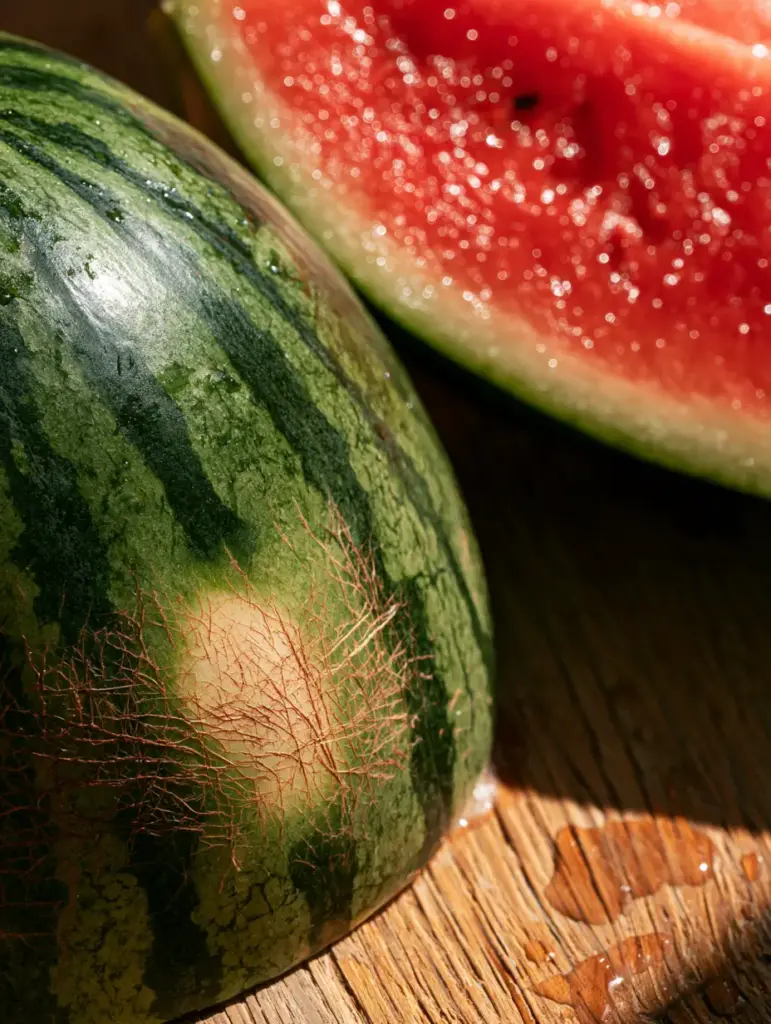
The Anatomy of a Perfect Summer Specimen
To achieve the visual excellence seen in professional food photography, you must look for specific markers on the dark green striped rind. These markings are not defects; they are the fruit’s way of telling you its sugar content has peaked.
- The Golden Field Spot: A large, deep creamy-yellow field spot indicates the melon spent ample time ripening on the vine rather than being harvested early.
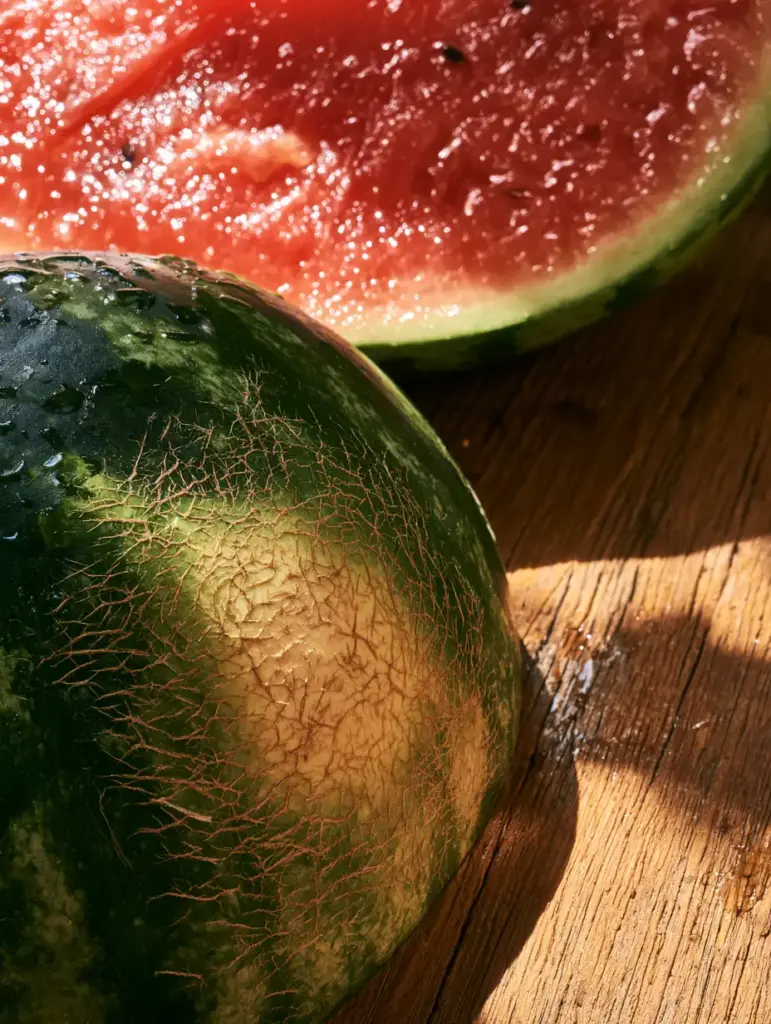
- Intricate Brown Webbing: Thick, sandpaper-like webbing scars are the result of bees pollinating the flower multiple times—the more webbing, the sweeter the fruit.
- Crystalline Flesh Texture: A perfectly ripe melon doesn’t just look red; it has a shimmering, crystalline structure that indicates high sucrose levels.
- Small Black Seeds: While seedless varieties are common, traditional heirlooms with small, hard black seeds often offer a more complex, nostalgic flavor profile.
Essential Components for the Ultimate Sliced Platter
Selecting the fruit is only the first step; the “invisible” ingredients are what transform a simple fruit snack into a gourmet experience. These additions enhance the natural Watermelon Facts by playing with contrast and chemical reactions on the palate.
One Large Seed-In Watermelon (approx. 10-12 lbs / 4.5-5.5 kg): Look for the dark green stripes and that heavy-for-its-size feel, which signals high water content and glistening juice droplets.
Flaky Sea Salt (1 tsp / 5g): This is the most crucial invisible ingredient, as it creates a flavor bridge that makes the ruby red flesh taste even sweeter while drawing out the juices to the surface.
Fresh Lime Zest (1 tbsp / 6g): The citric acid and aromatic oils in the zest provide a bright, sharp counterpoint to the deep, sugary crystalline notes of the melon.
Cold Filtered Water (for washing): Always scrub the rind thoroughly to prevent surface bacteria from being pushed into the flesh by your knife during the slicing process.
Required Tools for Precision Slicing
Achieving the look of a rustic wooden surface covered in perfect wedges requires more than just a standard kitchen knife. You need tools that respect the structural integrity of the fruit’s cells.
A long, serrated bread knife or a dedicated 12-inch (30cm) chef’s knife is mandatory for clean cuts through the thick rind. A large, stable wooden cutting board provides the necessary surface area to manage the glistening juice runoff without creating a mess.
For the best presentation, use a Y-peeler to remove small sections of zest and a microplane for the fine aromatic dust. These small details elevate the visual appeal to match the high-contrast macro shots found in elite culinary publications.
Step-by-Step Guide to the Perfect Harvest Prep
Selecting the Masterpiece
Begin by inspecting the dark green striped rind for the specific “bee sting” webbing scars. You want to see thick, brown textured webbing that feels slightly rough to the touch, as this indicates high pollination and sugar density.
Turn the melon over to locate the creamy-yellow field spot; if it is white or pale green, the melon will be flavorless and starchy. The spot should be deep, almost orange-yellow, suggesting the fruit sat in the sun until its peak maturity.
The Cold Cure and Cleaning
Before slicing, submerge the watermelon in an ice-water bath or refrigerate it for at least 4 hours. This firms up the ruby red crystalline flesh, making it easier to cut clean wedges that don’t crumble or tear.
Once chilled, scrub the rind under cold running water with a stiff brush. Dry it completely with a lint-free towel to ensure a safe, non-slip grip when you begin your knife work on the rustic wooden surface.
Mastering the Wedge Cut
Place the melon on your cutting board and slice off both the stem and blossom ends (about 1 inch / 2.5cm deep). This creates a stable base so the fruit doesn’t roll while you are handling sharp blades.
Stand the melon upright and slice it down the center from top to bottom. Lay each half flat-side down and cut into 1-inch (2.5cm) thick half-moons, then bisect those to create the classic triangular wedges seen in our blueprint.
Enhancing the Visual Glisten
Arrange the wedges on a rustic wooden platter, ensuring the deep ruby red flesh is facing upward to catch the light. Just before serving, sprinkle the flaky sea salt from a height of about 12 inches (30cm) to ensure even distribution.
As the salt hits the crystalline cells, you will see beads of cold juice begin to form almost instantly. Finish with a dusting of lime zest, which will cling to the glistening juice droplets and provide a pop of neon green against the red background.
Expert Tips for Success
- The Thump Test: A ripe melon should sound hollow, like a tenor drum, rather than a dull “thud,” which indicates it is overripe and potentially mealy.
- Weight Matters: Always pick the heaviest melon of its size; this ensures the interior is packed with juice rather than air pockets.
- Storage Secrets: Never store a whole watermelon in the fridge for more than a week, as the cold can actually degrade the lycopene content over long periods.
- Seed Logic: If you are using a melon with black seeds, don’t remove them! They add a beautiful visual contrast and are perfectly edible, offering a slight nutty crunch.
Optimizing Shelf Life and Freshness
If you have leftover wedges, store them in an airtight container with a piece of paper towel at the bottom to absorb excess moisture. They will stay crisp and vibrant for about 3 to 4 days.
For longer storage, consider cubing the flesh and freezing it in a single layer on a parchment-lined tray. These frozen cubes are excellent for blending into summer drinks or a refreshing granita that maintains that ruby red hue.
Pairing Your Watermelon Platter
While these wedges are a star on their own, they pair beautifully with savory, protein-rich dishes that balance the sugar. Consider serving your fruit alongside a pan-seared rainbow trout for a light, sophisticated lunch.
If you are hosting a backyard barbecue, the sweetness of the melon acts as a perfect palate cleanser after enjoying a hearty steak sandwich or some spicy Peruvian grilled chicken.
For a themed spread, combine these slices with a side of Persian yogurt and cucumber dip to lean into the cooling properties of summer produce. The contrast between the creamy yogurt and the crystalline melon is truly world-class.
Common Questions About Watermelon Selection
Yes, the small black seeds in traditional watermelons are completely edible and provide a slight crunch and nutritional fiber.
Perform the thump test. A hollow, drum-like sound indicates a crisp interior, while a dull, heavy thud often suggests the fruit is overripe and mealy.
Yes. A heavy melon for its size indicates it is full of water and juice. If it feels light, it may have started to dry out or develop air pockets inside.
These ‘bee stings’ or webbing scars indicate that bees pollinated the flower many times. The more webbing you see, the sweeter the fruit will be.
A creamy-yellow or orange-yellow field spot means the watermelon ripened on the vine. A white spot indicates it was picked too early and will likely be flavorless.
The Ultimate Sun-Drenched Watermelon Recipe
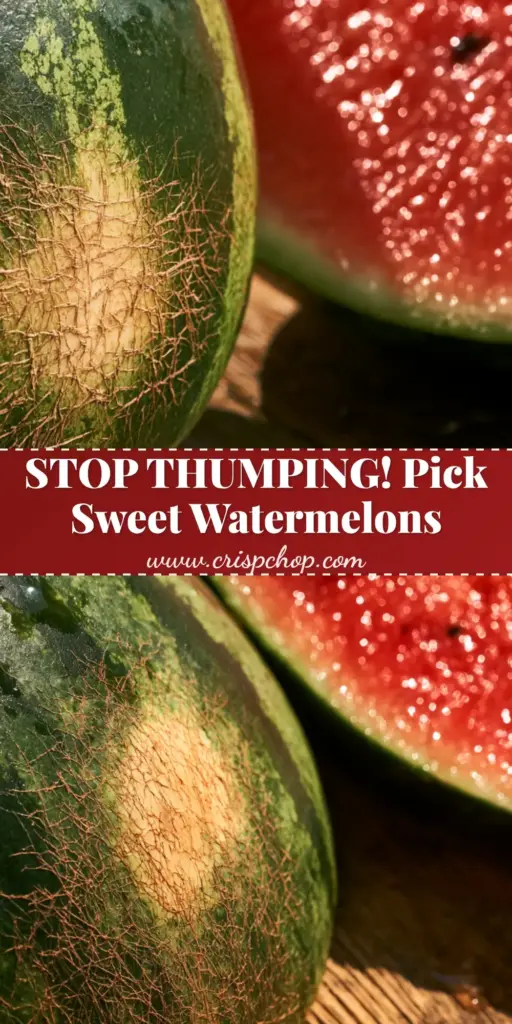
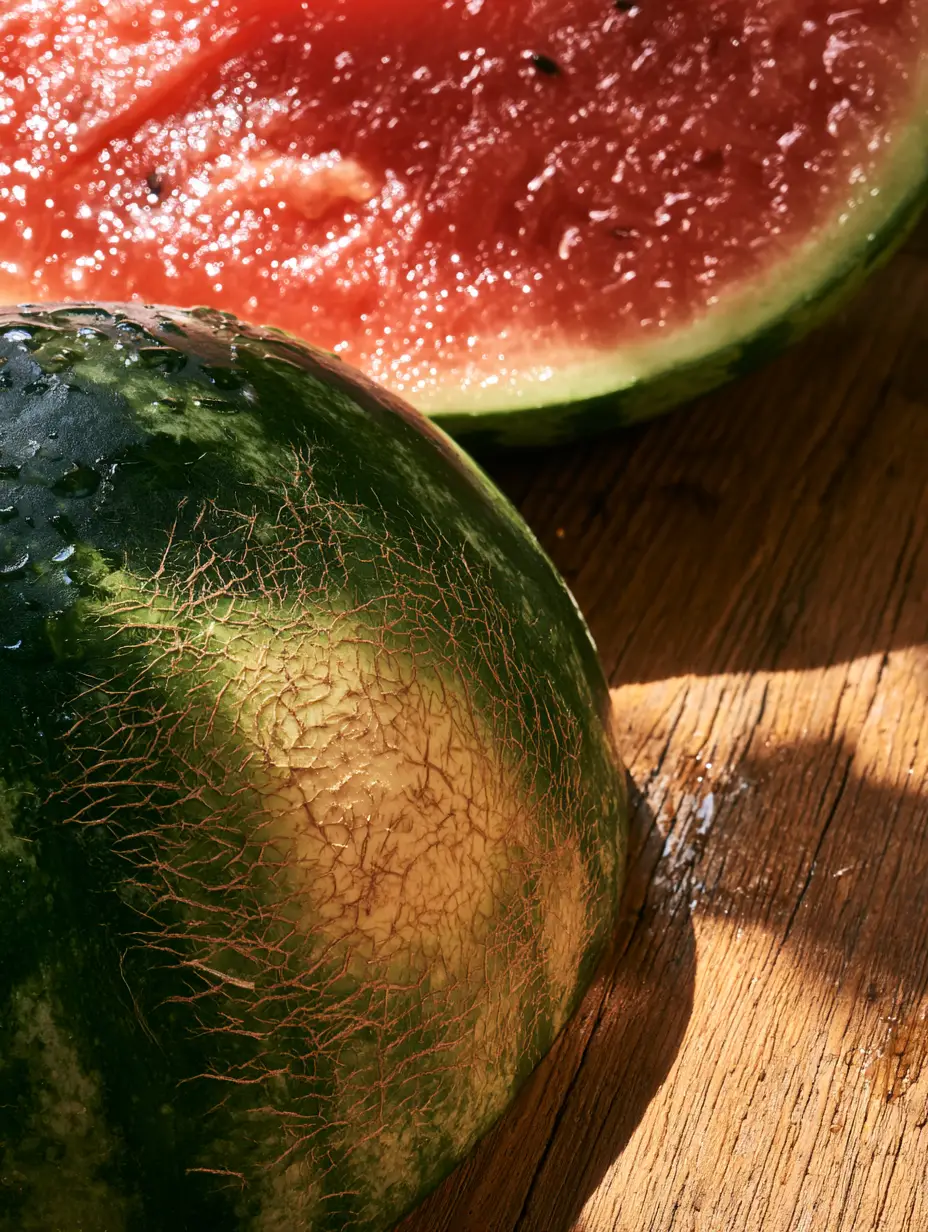
Watermelon Facts: How to Choose and Prep the Ultimate Sun-Ripened Fruit
Ingredients
Equipment
Method
- Chill the watermelon for 4 hours. Scrub the dark green striped rind thoroughly with cold water to remove debris.
- Slice 1 inch (2.5cm) off both ends of the melon to create a flat, stable base on the rustic wooden surface.
- Halve the melon vertically, then slice into 1-inch (2.5cm) thick semicircles. Cut each semicircle into triangular wedges to reveal the ruby red crystalline flesh.
- Arrange wedges and sprinkle with flaky sea salt and lime zest. Wait 30 seconds for glistening juice droplets to appear.
Notes
Thick brown webbing indicates high pollination levels.
Sharing the Joy of Summer
Mastering these Watermelon Facts transforms your summer entertaining from average to extraordinary. There is a primal joy in cracking open a melon to find that perfect, ruby-red interior waiting for you.
We invite you to share your results with us! Did you find a melon with the legendary brown webbing? Leave a comment below or share your photos on Pinterest to show off your crystalline fruit slices.