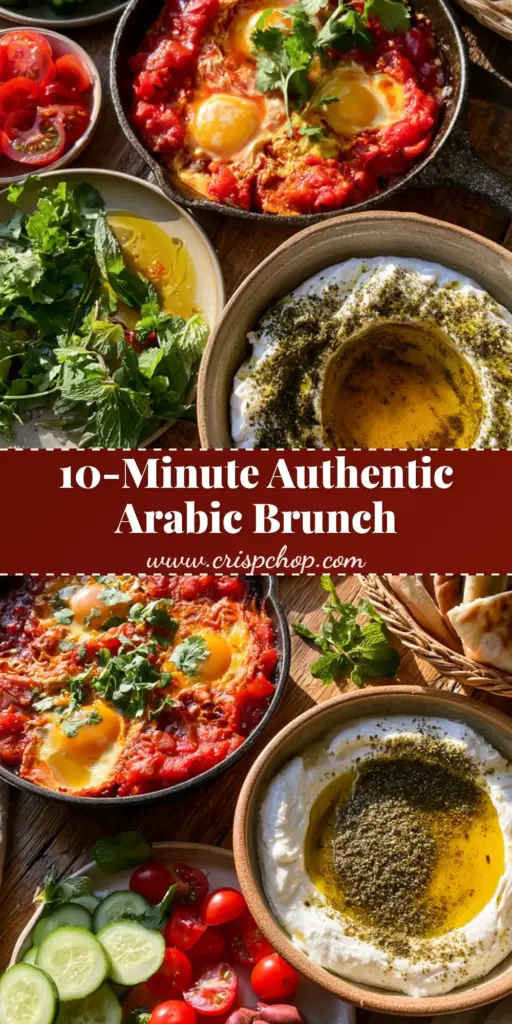
Arabic breakfast is more than just a meal; it is a vibrant, communal experience that wakes up the senses with bold colors, aromatic spices, and contrasting textures. Imagine stepping into a sun-drenched kitchen where the smell of toasted cumin and charred bread fills the air. This traditional spread centers around a bubbling cast iron skillet of shakshuka and a cooling bowl of creamy labneh, creating a balanced morning ritual that is as nutritious as it is beautiful. Whether you are hosting a weekend brunch or looking to elevate your morning routine, this guide will show you how to master the art of the Middle Eastern table.
Why This Vibrant Morning Spread is a Pinterest Favorite
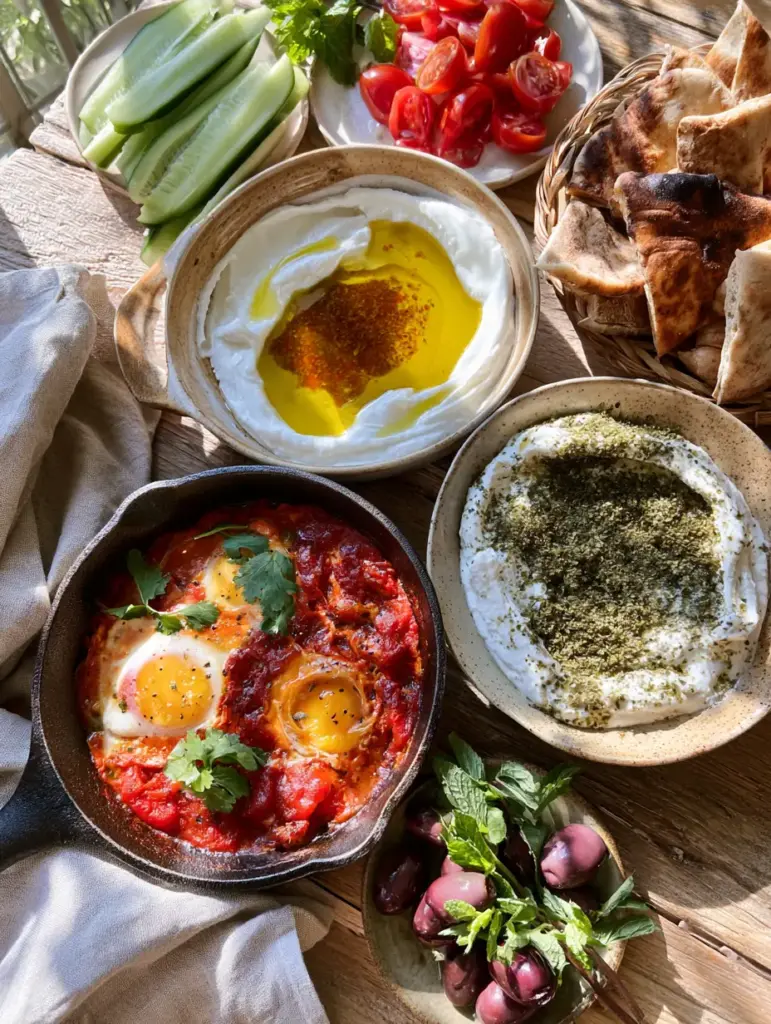
- The Perfect Texture Contrast: Between the runny poached eggs and the thick, velvety strained labneh, every bite offers a different mouthfeel.
- Visual Masterpiece: The deep crimson of the chunky spiced tomato sauce paired with the bright green of fresh mint and cilantro makes this a show-stopping dish for any social media feed.
- High Protein and Healthy Fats: Packed with fresh vegetables, high-quality extra virgin olive oil, and protein-rich eggs to keep you fueled all day.
- Customizable and Scalable: Easily add more eggs or side plates to accommodate a larger crowd without losing the rustic charm.
Essential Ingredients for a Proper Arabic breakfast
To achieve the authentic flavor profile of a true Arabic breakfast, sourcing high-quality fats and spices is non-negotiable. Each component serves a culinary purpose to balance heat, acidity, and creaminess.
For the Signature Shakshuka:
- Large Eggs (3): These are the star. We aim for whites that are just set and golden runny yolks that mix with the sauce.
- Crushed Tomatoes: Use 2 cups (480ml) of high-quality canned or fresh tomatoes to create a bright red chunky tomato sauce.
- Bell Peppers and Onions: Sautéed until soft to provide a sweet, earthy base for the spices.
- Spices: A blend of cumin, smoked paprika, and red pepper flakes creates that iconic warmth.
- Fresh Cilantro: A generous handful of fresh chopped cilantro garnish provides the necessary herbaceous lift.
For the Labneh and Sides:
- Labneh: 1 cup (240ml) of thick strained labneh. It should be dense enough to hold its shape.
- Extra Virgin Olive Oil: Use the best quality you have for the deep well in the center of the labneh.
- Green Zaatar: A dried green zaatar herb blend (thyme, sumac, sesame) for dusting over the yogurt.
- Persian Cucumbers & Cherry Tomatoes: 2-3 crisp sliced cucumbers and a handful of halved cherry tomatoes for crunch and acidity.
- Kalamata Olives: Pitted and brined to add a salty, umami punch to the plate.
- Pita Bread: 2-3 rounds of charred pita bread triangles to scoop up every last drop of sauce and oil.
How to Master the Shakshuka Simmer
Creating the Spiced Tomato Base
Start by heating 2 tbsp (30ml) of olive oil in a heavy cast iron skillet. Sauté your finely diced onions and red bell peppers over medium heat until they are translucent and slightly caramelized. This step is crucial for building a foundation of sweetness that balances the acidity of the tomatoes.
Add your garlic and spices, stirring for 60 seconds until the aroma fills the room. Pour in the tomatoes and simmer for 10-12 minutes. You are looking for a chunky spiced tomato sauce that has thickened enough to support the weight of the eggs without them sinking to the bottom.
The Art of Poaching the Eggs
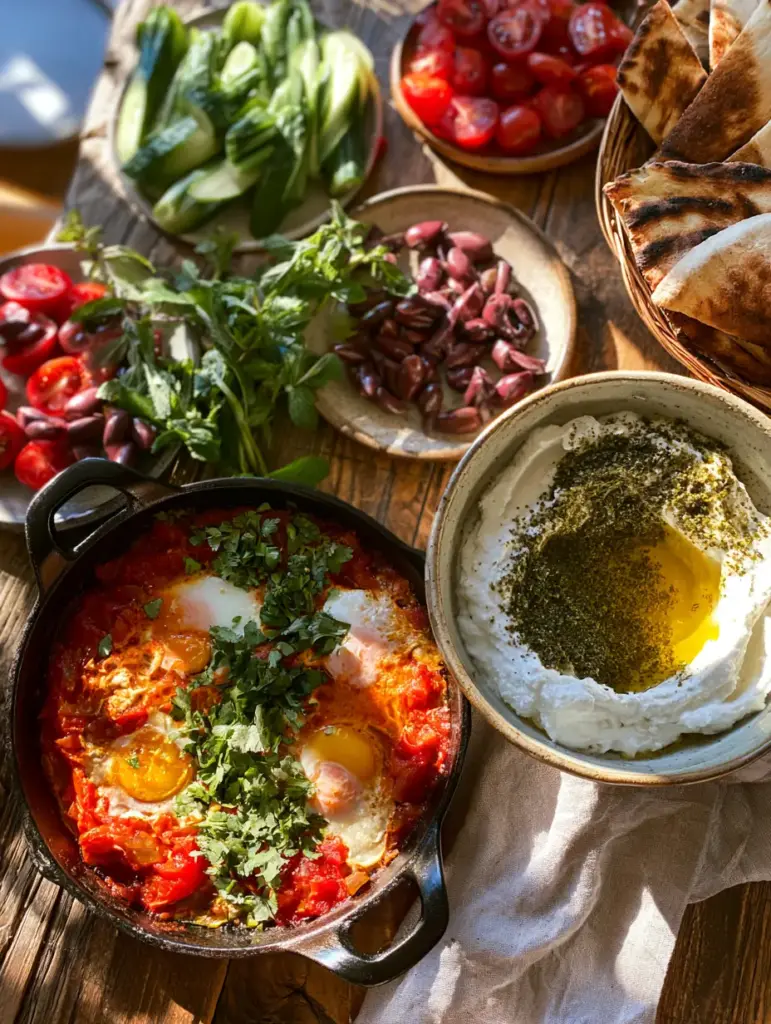
Use the back of a large spoon to create three distinct wells in the simmering sauce. Crack one egg into each well. Cover the skillet with a lid for 3-5 minutes. This traps steam and ensures the whites cook through while the yolks remain bright and runny.
Visual Cue: The eggs are ready when the whites are opaque but the yolks still jiggle slightly when the pan is moved. Remove from heat immediately as the cast iron will continue to cook the eggs.
Assembling the Perfect Labneh Bowl
A true Arabic breakfast is incomplete without the cooling presence of labneh. Take your thick strained labneh and spread it into a shallow ceramic bowl using the back of a spoon to create a deep, swirling well.
Pour a generous amount of extra virgin olive oil into that well—don’t be shy! Finish with a heavy dusting of green zaatar spice. The contrast between the snowy white yogurt, the golden oil, and the forest-green herbs is the hallmark of Middle Eastern plating.
Expert Tips for Success
- Don’t Overcook the Eggs: Remember the “carry-over cooking” effect. Take the skillet off the heat while the yolks look slightly underdone; they will firm up perfectly by the time you reach the table.
- Char Your Bread: Don’t just warm your pita. Place it directly over a gas flame for a few seconds to get those slightly charred pita bread triangles that add a smoky dimension.
- Freshness Matters: The fresh mint leaves should be plucked just before serving to prevent wilting from the heat of the shakshuka.
- Salt the Veggies: Lightly salt your crisp sliced cucumbers and halved cherry tomatoes 5 minutes before serving to draw out their natural juices.
Storage, Reheating & Freezing
Shakshuka is best enjoyed fresh, as reheating can often result in overcooked, rubbery yolks. However, the chunky spiced tomato sauce base can be made 3 days in advance and stored in the fridge. Simply reheat the sauce in a skillet and add fresh eggs when you are ready to eat.
Labneh will stay fresh in an airtight container for up to 7 days. We do not recommend freezing labneh or the completed shakshuka, as the texture of the dairy and the eggs will degrade significantly.
What to Serve With This Arabic breakfast
While this spread is a meal in itself, you can expand the table by adding Lebanese Spicy Potatoes (Batata Harra) for extra heartiness. If you are serving a larger crowd, consider adding a side of Zaatar Manakish or even some Cheese Fatayer to provide more dipping options.
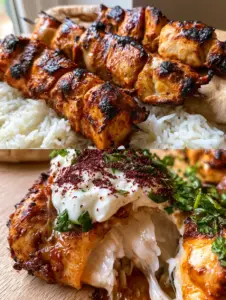
For those who prefer a meatier morning, these savory kofta skewers make an excellent protein addition to the side of the skillet.
Frequently Asked Questions
Yes! You can make labneh by straining full-fat Greek yogurt through a cheesecloth for 12-24 hours until it reaches a thick, spreadable consistency.
The secret is to cover the pan and watch the whites closely. Remove the skillet from the heat as soon as the whites are set; the residual heat of the sauce will finish them to perfection.
It can be! Our recipe uses a mild warmth from cumin and paprika, but you can increase the red pepper flakes or add Harissa paste if you prefer more heat.
Green zaatar is a Middle Eastern herb blend typically consisting of dried wild thyme (or oregano), toasted sesame seeds, tangy sumac, and a pinch of salt.
A traditional spread usually includes a combination of warm dishes like shakshuka or foul mudammas, paired with cold elements like labneh, fresh vegetables, olives, and plenty of pita bread.
Printable Recipe: Authentic Arabic breakfast Spread
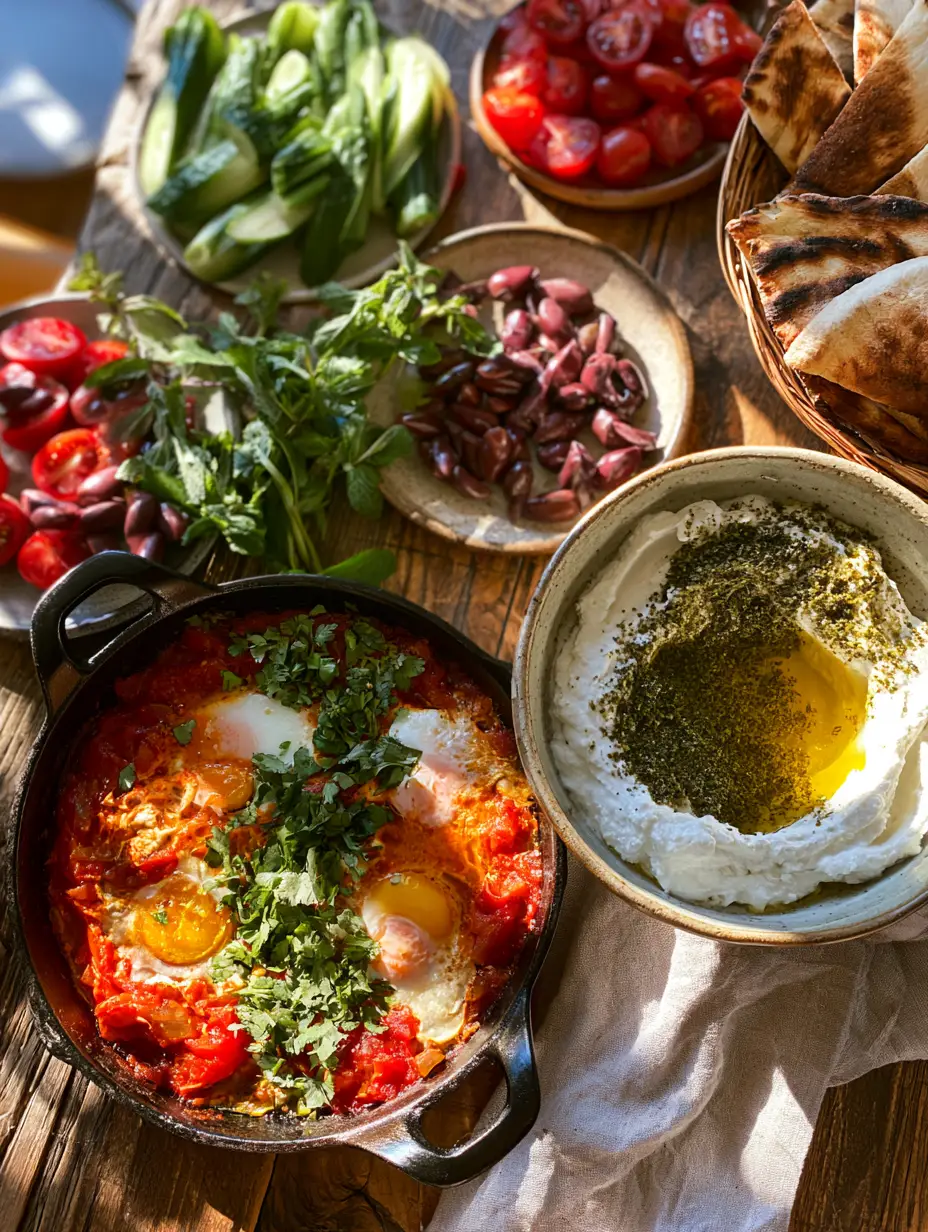
Arabic breakfast: The Ultimate Shakshuka and Labneh Spread
Ingredients
Equipment
Method
- Heat olive oil in the cast iron skillet over medium heat. Add onion and bell peppers, cooking until soft (approx. 5-7 mins).
- Add spices and crushed tomatoes. Simmer for 10 minutes until the sauce is chunky and thick.
- Create 3 wells in the sauce. Crack eggs into wells. Cover and cook for 3-5 minutes until whites are set but yolks are runny.
- Spread labneh in a bowl, create a well, fill with olive oil, and dust with green zaatar.
- Toast pita triangles over an open flame until slightly charred.
- Top shakshuka with cilantro. Serve with cucumbers, tomatoes, olives, and fresh mint.
Notes
Always use room temperature eggs to ensure even cooking.
Join the CrispChop Community!
Did you make this Arabic breakfast? We want to see your rustic table spreads! Save this recipe to your Pinterest “Breakfast Ideas” board so you never lose it. If you tried our shakshuka technique, please leave a 5-star rating and share a photo of your runny yolks in the comments below. Follow @crispchop for more authentic Middle Eastern inspiration!