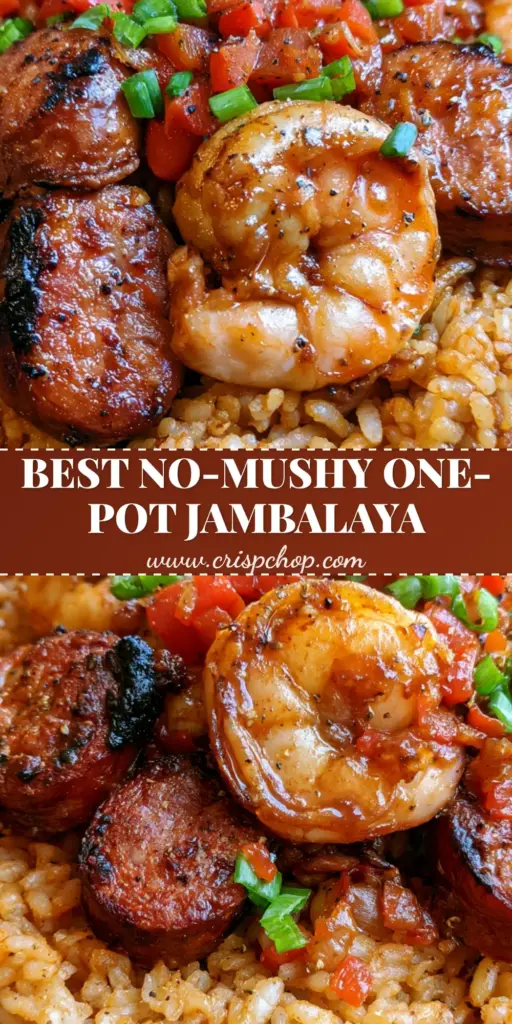
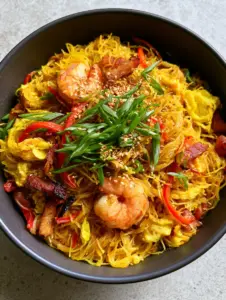
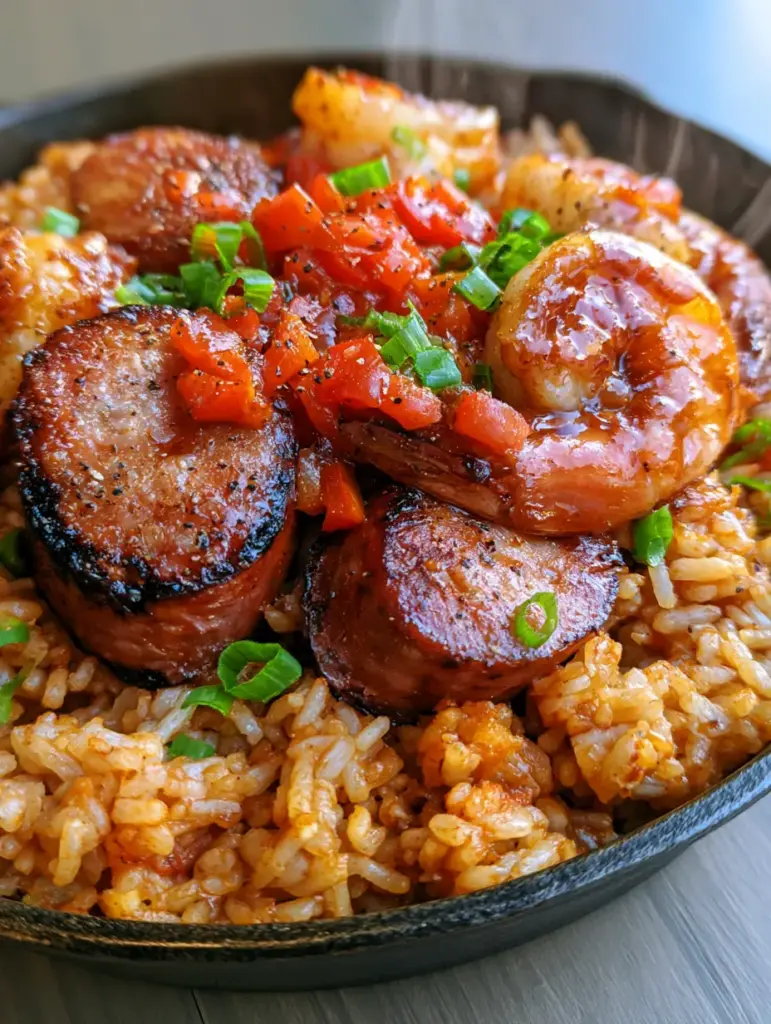
There is nothing quite like the sight of a rustic cast iron pot filled with a steaming, reddish-gold Jambalaya. This iconic Louisiana dish is a symphony of textures, from the snap of charred andouille sausage to the tender, glossy bite of cajun-glazed shrimp. When you lift the lid, the gentle steam vapors carry the aroma of toasted spices and sautéed aromatics directly to your senses.
Our version focuses on achieving that elusive, perfect texture: fluffy, individual grains of long-grain rice that never turn to mush. Each grain is infused with a rich, smoky broth, providing a savory foundation for the bold proteins layered on top. This is a meal designed for the center of the table, inviting everyone to dig into the vibrant colors and deep, soulful flavors of the South.
Whether you are a seasoned pro or a curious home cook, this guide will walk you through the culinary science of the “Holy Trinity” and the secrets to searing meat for maximum depth. Prepare to transform your kitchen into a French Quarter bistro with a dish that looks just as stunning as it tastes.
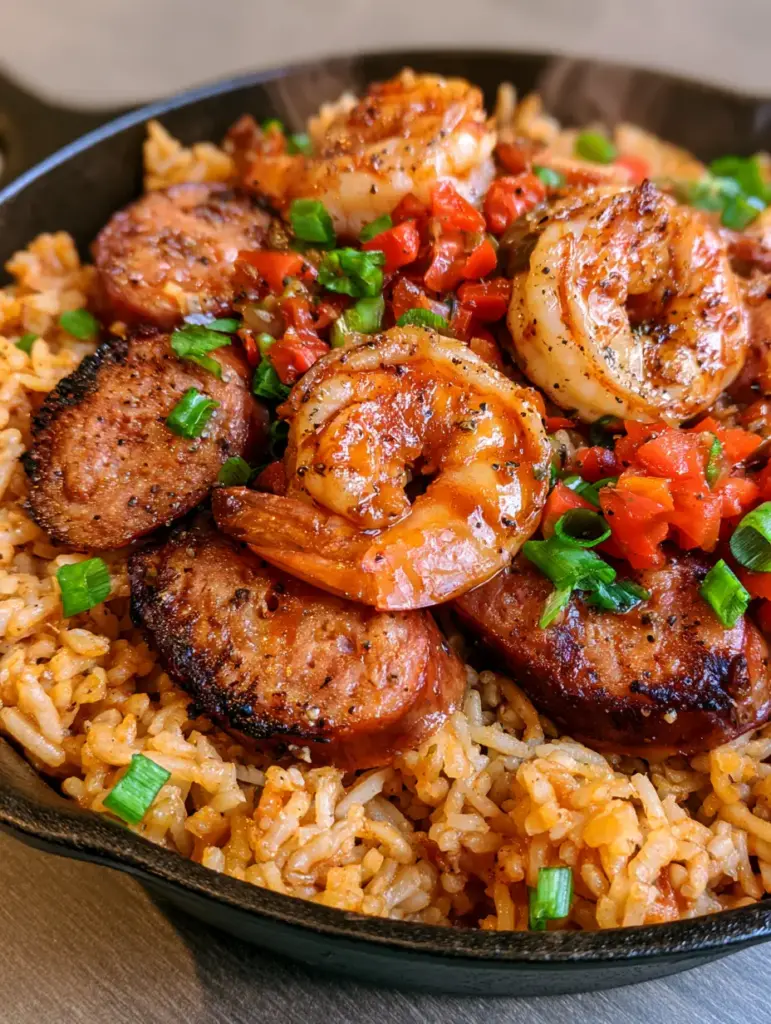
Why This One-Pot Cajun Masterpiece Works
- Distinct Rice Texture: We use specific techniques to ensure fluffy, long-grain rice that remains separate and reddish-gold, never clumpy or wet.
- Maillard Reaction Excellence: Thick-cut slices of andouille sausage are seared until they develop charred edges, providing a smoky, crisp contrast to the rice.
- Glossy Seafood Finish: Large succulent pink shrimp are finished with a glossy cajun glaze, ensuring they remain tender and visually striking.
- Visual Vibrancy: Finely diced sautéed red bell peppers and bright green chopped scallions offer a pop of color that balances the rustic tones of the cast iron.
The Anatomy of Flavor: Essential Ingredients
The Protein Powerhouse
1 lb (454g) Andouille Sausage: This smoked pork sausage is the backbone of the dish. Slicing it into thick rounds allows for a significant surface area to develop that signature char in the hot pan.
1 lb (454g) Large Shrimp: Peeled and deveined, these are glazed at the very end to keep them succulent. Their natural pink hue provides a beautiful contrast against the golden rice.
The Grains and Liquids
2 cups (400g) Long-Grain White Rice: High-amylose rice is essential for the “fluffy” result seen in our photos. It absorbs the liquid without releasing excess starch that causes stickiness.
3 cups (720ml) Chicken Stock: Using a high-quality stock provides the “invisible” depth of flavor required to season the rice from the inside out.
The Aromatic Foundation
1 large (150g) Red Bell Pepper: Diced finely and sautéed, these peppers provide a mild sweetness and a soft texture that melts into the rice. This is a lighter, sweeter alternative to the green peppers used in some variations of stuffed pepper recipes.
1 medium (110g) Yellow Onion: A core component of the Cajun Holy Trinity, providing a savory base when caramelized.
2 stalks (60g) Celery: These add a subtle earthy note and a necessary structural crunch to the aromatic base.
Spices and Finishes
2 tbsp (15g) Cajun Seasoning: A blend of paprika, garlic powder, and cayenne that gives the dish its reddish-gold hue and heat. You will also use an extra dusting at the end for visual impact.
3 cloves (9g) Garlic: Minced finely to infuse the cooking oil with a pungent, savory aroma before the rice is toasted.
1/2 tsp (1g) Crushed Black Pepper: Freshly cracked pepper adds a sharp, floral heat that cuts through the richness of the sausage.
3 large Scallions: Finely chopped green tops are scattered over the finished dish for a fresh, herbaceous finish.
Essential Equipment for a Perfect Sear
To achieve the look of our rustic Jambalaya, a 12-inch (30cm) Cast Iron Dutch Oven is non-negotiable. Cast iron retains heat more efficiently than stainless steel, which is critical for getting those charred edges on the andouille sausage and maintaining a steady simmer for the rice. You will also need a sharp chef’s knife for the precision dicing of your red bell peppers and scallions.
Step-by-Step Instructions for the Ultimate Jambalaya
Developing the Fond: Searing the Sausage
Heat 1 tbsp (15ml) of high-smoke point oil in your cast iron pot over medium-high heat. Once the oil shimmers, add your thick-cut andouille sausage slices in a single layer. Let them sit undisturbed for 2-3 minutes until a deep, dark brown crust forms on the edges. Flip and repeat. Remove the sausage with a slotted spoon, leaving the rendered fat behind—this “liquid gold” is the secret to authentic flavor.
Sautéing the Holy Trinity and Aromatics
Lower the heat to medium and add your diced red bell peppers, onions, and celery to the pot. Sauté for 5-7 minutes, stirring occasionally. You are looking for the onions to become translucent and the peppers to soften. Add the minced garlic and sauté for just 60 seconds until fragrant, ensuring it doesn’t burn, which would turn the dish bitter.
Toasting the Grains for Maximum Fluffiness
Add the long-grain rice directly into the vegetables and fat. Stir constantly for 2-3 minutes. This “toasting” step coats each grain of rice in oil, which prevents the starches from sticking together later. The rice should begin to look slightly translucent at the edges and smell toasted.
The Gentle Simmer
Deglaze the pot with a splash of stock, scraping up any browned bits (the fond) from the bottom. Pour in the remaining chicken stock and 1 tbsp (7g) of the Cajun seasoning. Bring to a boil, then immediately reduce the heat to the lowest setting. Cover tightly with a lid and simmer for 18-20 minutes. Do not peek! Opening the lid lets out the steam needed to cook the rice evenly.
The Glossy Shrimp Finish
While the rice is simmering, toss your raw shrimp with the remaining Cajun seasoning and a drizzle of oil. In a separate skillet over high heat, sear the shrimp for 90 seconds per side until they turn succulent and pink with a glossy glaze. Remove from heat immediately to avoid overcooking.
Assembly and Final Flourish
Once the rice has absorbed all the liquid, turn off the heat and let it sit, covered, for 5 minutes. Fluff the reddish-gold grains gently with a fork. Top the rice with the seared sausage and the glazed shrimp. Scatter the finely diced scallions, a final dusting of Cajun spice, and a generous sprinkle of crushed black pepper across the top. Serve immediately while steam vapors are still rising from the pot.
Expert Tips for Success
- Rinse Your Rice: Always rinse the long-grain rice in cold water until the water runs clear. This removes excess surface starch, which is the number one cause of “mushy” Jambalaya.
- The “Lid-On” Rule: Resist the urge to stir the rice once the stock is added. Stirring activates starches and will ruin the distinct, individual grain texture.
- Temperature Control: If your shrimp are sticking, your pan isn’t hot enough. A hot pan creates an instant sear, which leads to that glossy, professional look.
- Spice Management: Cajun seasonings vary in salt content. If using a store-bought blend, taste it first before adding extra salt to the pot.
Preserving the Flavor: Storage and Reheating
Jambalaya actually tastes better the next day as the spices continue to meld. Store leftovers in an airtight container in the refrigerator for up to 3 days. To reheat, add a tablespoon (15ml) of water or stock to the rice to maintain its fluffiness and microwave on medium power, or reheat in a covered skillet on the stovetop.
For long-term storage, you can freeze the rice and sausage portion for up to 2 months. We recommend adding fresh shrimp when reheating, as frozen and thawed cooked shrimp can become rubbery.
What to Serve With Your Jambalaya
To balance the heat and richness of this dish, consider serving it with a side of crusty French bread to soak up any remaining juices. A light, acidic side like cold stuffed mini peppers can provide a refreshing contrast to the smoky sausage.
If you’re hosting a larger gathering, this dish pairs beautifully with other Southern classics like shrimp étouffée for a true Cajun feast. For a lighter pairing, a crisp green salad or a cooling strawberry acai refresher helps cleanse the palate between spicy bites.
Frequently Asked Questions
You can, but brown rice requires more liquid and a significantly longer cooking time (about 45-50 minutes), which may overcook the vegetables.
While similar in one-pot concept, Jambalaya uses Cajun spices and the ‘Holy Trinity’ (onion, celery, pepper), whereas Paella uses saffron and often includes peas or beans.
A good quality smoked kielbasa or Spanish chorizo is a suitable substitute, though andouille is preferred for its specific spice profile.
The secret is two-fold: rinsing the rice to remove surface starch and toasting the grains in fat before adding liquid to seal the exterior.
This usually happens if the rice is stirred during the simmering process or if too much liquid was added. Ensure you use the 1.5:1 liquid-to-rice ratio.
The Ultimate One-Pot Jambalaya Recipe
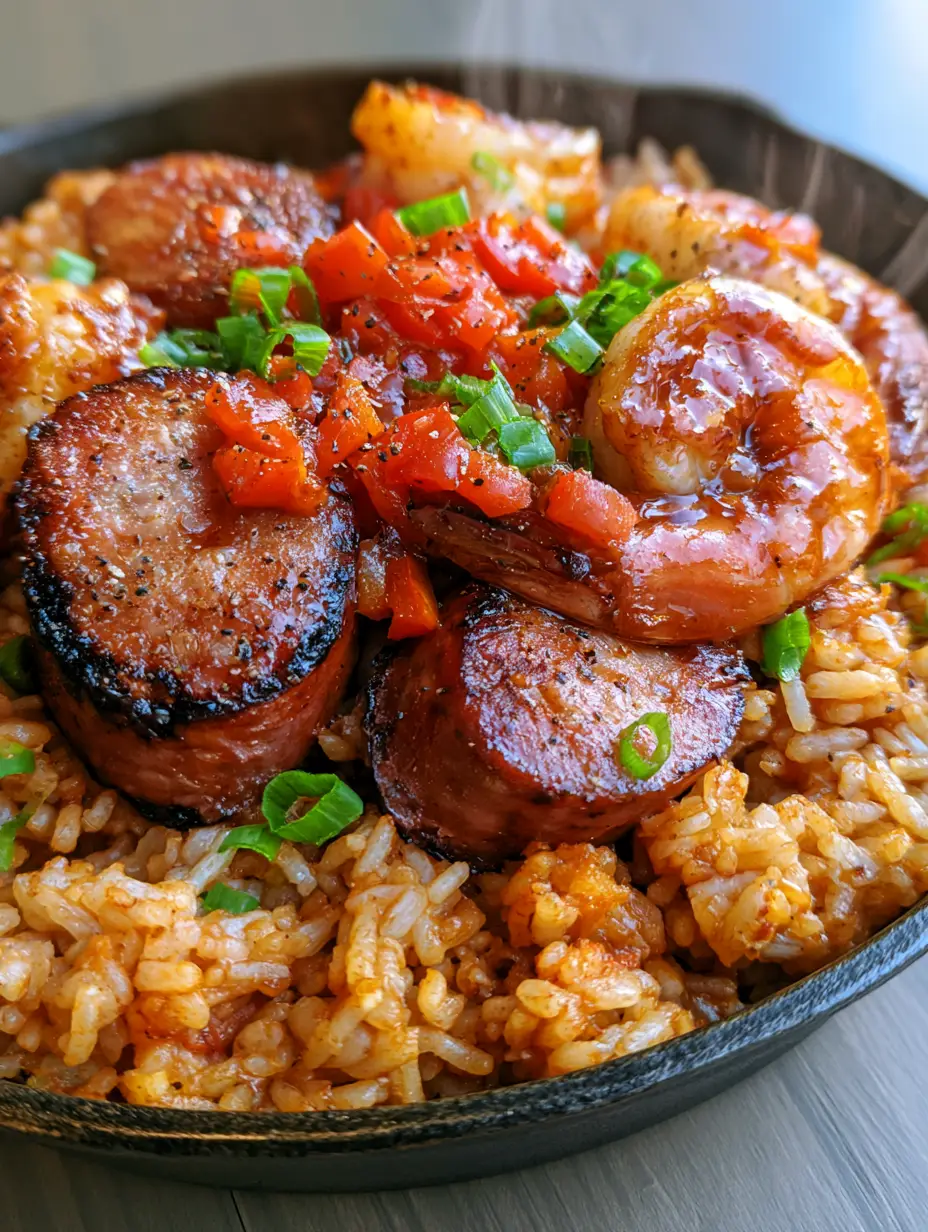
Jambalaya with Seared Andouille Sausage and Succulent Glazed Shrimp
Ingredients
Equipment
Method
- Heat oil in cast iron pot. Sear andouille slices until charred on edges (about 3 mins per side). Remove sausage.
- Add pepper, onion, and celery to the rendered fat. Sauté until soft. Add garlic for 60 seconds.
- Stir in rice to coat with oil and toast for 2-3 minutes until translucent at edges.
- Add stock and 1 tbsp seasoning. Boil, then reduce to low. Cover and simmer for 18-20 minutes without opening the lid.
- Toss shrimp with remaining seasoning. Sear in a separate hot skillet for 90 seconds per side until glossy and pink.
- Fluff rice, top with sausage and shrimp. Garnish with scallions and black pepper.
Notes
Use a heavy cast iron lid to trap steam for even cooking.
Share Your Culinary Success!
We hope this Jambalaya brings a taste of the bayou to your dinner table. The combination of fluffy rice, charred andouille, and succulent shrimp is a proven crowd-pleaser that never fails to impress. If you enjoyed this recipe, please leave a comment below and let us know how yours turned out!
Don’t forget to snap a photo of your masterpiece and share it with us. For more mouth-watering inspiration and visual guides, follow our boards on Pinterest. Your support helps us continue to develop high-quality, scientifically-backed recipes for home cooks everywhere!