The mango mousse cake is the undisputed crown jewel of tropical desserts, blending the structural integrity of a buttery crust with the ethereal lightness of whipped fruit cream. This isn’t just a dessert; it is a multi-layered sensory experience that balances the tang of fresh fruit with the rich, velvety texture of a professional-grade mousse.
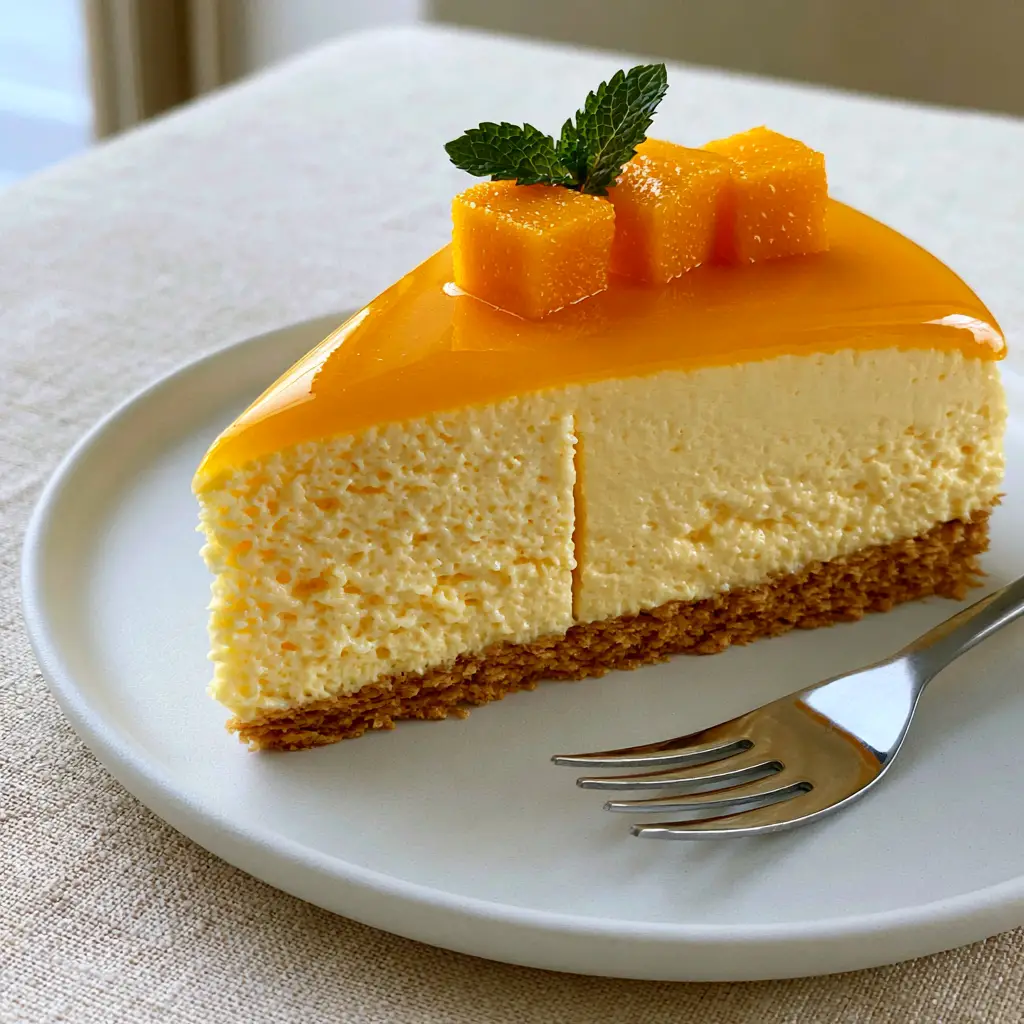
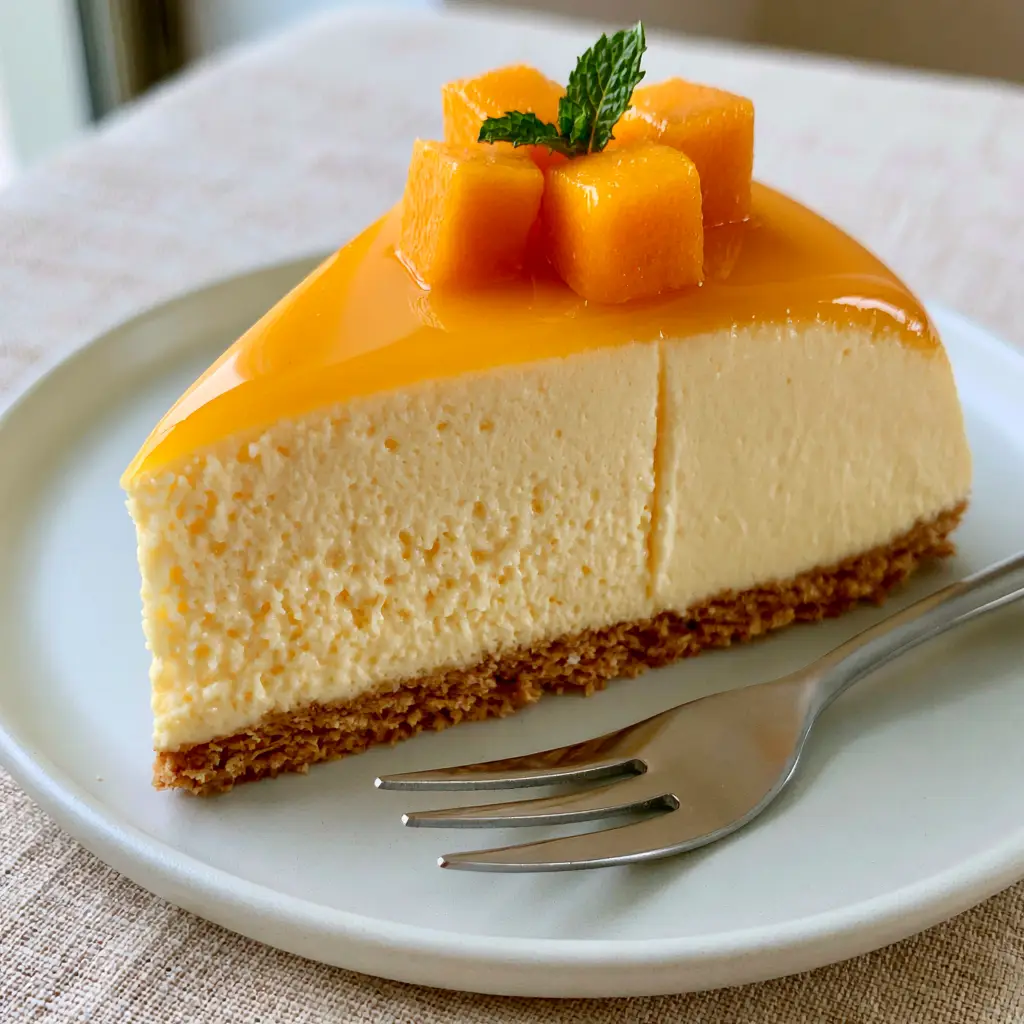
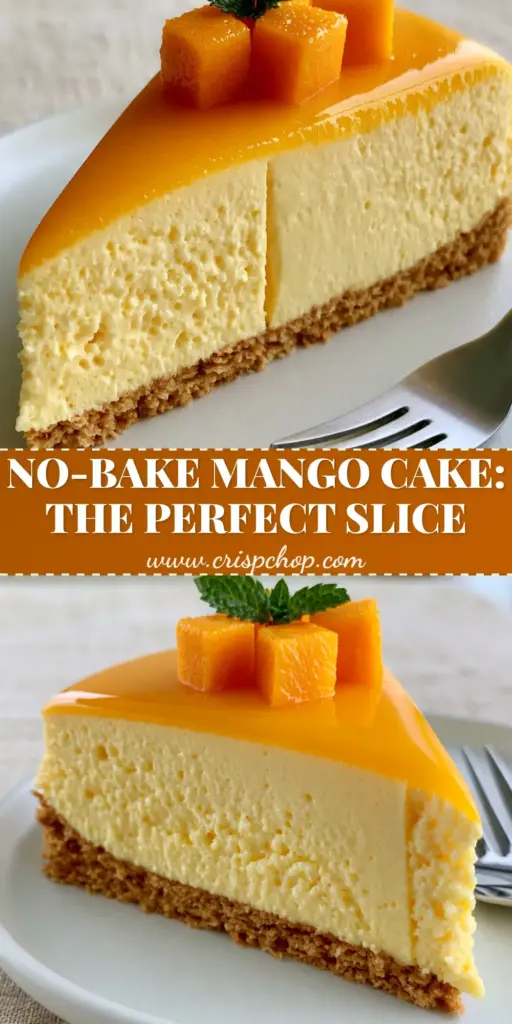
When you slice into this masterpiece, you are greeted by three distinct, visually stunning layers that look like they belong in a high-end Parisian pâtisserie. The contrast between the deep orange glaze and the pale yellow mousse creates a sunset-like gradient that is almost too beautiful to eat.
In this guide, we will walk through the forensic culinary steps required to achieve that elusive 1/2 inch dense crust and the 3 inches of airy mousse seen in our professional photography. Whether you are a seasoned baker or a curious newcomer, this recipe ensures a result that is as structurally sound as it is delicious.
The Visual Anatomy of a Perfect Tropical Cake
- The Foundation: A 1/2 inch (1.25cm) thick, densely packed golden-brown graham cracker crust that provides a salty-sweet crunch in every bite.
- The Heart: 3 inches (7.5cm) of pale-yellow mango mousse, aerated with tiny, delicate air bubbles that melt instantly on the tongue.
- The Crowning Glory: A 1/4 inch (0.6cm) thick, ultra-glossy mirror glaze that reflects light like a polished gemstone.
- The Finishing Touches: Exactly three uniform cubes of bright orange mango and a single vibrant green mint sprig for a minimalist, modern aesthetic.
Essential Ingredients for the Ultimate Mango Mousse Cake
Creating a cake of this caliber requires high-quality fats and stabilized fruit purees. Each ingredient serves a specific structural purpose to ensure your slice stands tall on the plate without sagging.
Graham Cracker Crumbs (200g / 7oz): These provide the sandy, crisp texture needed for the base. Ensure they are finely ground to achieve the dense 1/2 inch thickness described in our visual blueprint.
Unsalted Butter (115g / 1/2 cup): Melted butter acts as the “glue” for your crust. It deeply saturates the crumbs, ensuring the base doesn’t crumble when you press your silver fork into it.
Fresh Alphonso or Ataulfo Mangoes (3-4 large): These varieties are preferred for their lack of fibrous “strings” and intense orange pigment. If you’re exploring other mango cakes, you’ll know that the quality of the fruit dictates the final color of the mousse.
Heavy Whipping Cream (300ml / 1.25 cups): Cold heavy cream is whipped to soft peaks to provide the “airy bubbles” seen in the side-profile photos. It gives the mousse its signature 3-inch height and fluffy mouthfeel.
Gelatin Powder or Sheets (15g total): This is the “invisible” hero that stabilizes the mousse and sets the mirror glaze. It allows for that perfectly smooth vertical cut every time.
Glucose Syrup or Light Corn Syrup (50g / 2.5 tbsp): This is the secret to the “ultra-glossy” mirror glaze. It prevents the sugar from crystallizing and gives the top layer a professional, reflective sheen.
Pro-Level Tools for a Clean Vertical Cut
To achieve the minimalist matte white plate presentation, you need the right tools for the job. A 7-inch (18cm) springform pan or a professional cake ring is essential for maintaining the height of the mousse.
You will also need acetate cake strips to line the inside of your mold. This is the only way to get that perfectly smooth, glass-like vertical edge when you unmold the cake. A sharp, warm knife is also necessary for slicing through the mirror glaze without tearing it.
The Secret to a Sturdy 1/2 Inch Graham Cracker Crust
The base must be more than just crumbs; it must be a structural foundation. Combine your 200g (7oz) of crumbs with 115g (1/2 cup) of melted butter and 2 tablespoons (25g) of sugar.
Press the mixture into the bottom of your lined pan using the flat bottom of a measuring cup. Apply significant pressure until the layer is exactly 1/2 inch thick and perfectly level. Bake at 350°F (175°C) for 8 minutes to set the structure and enhance the “golden-brown” color, then let it cool completely before adding the mousse.
Whipping the Pale Yellow Mango Mousse
To achieve the airy, pale-yellow middle layer, begin by blooming your gelatin in 3 tablespoons (45ml) of cold water. Puree your mangoes until completely smooth and pass them through a fine-mesh sieve to remove any remaining fibers.
Heat a portion of the puree with sugar until warm, then stir in the bloomed gelatin until dissolved. Fold this mixture gently into your softly whipped cream. This folding process is what traps those “tiny, delicate air bubbles” that make the mango mousse cake so light.
Mastering the Deep Orange Mirror Glaze
The mirror glaze is the most technical part of this recipe. You must heat mango puree, sugar, and glucose syrup until it reaches a simmer, then stir in your hydrated gelatin. The key to the “vibrant deep-orange” color is using a drop of natural food coloring if your mangoes aren’t peak-season bright.
Crucially, you must let the glaze cool to approximately 90°F (32°C) before pouring it over the chilled mousse. If it’s too hot, it will melt the mousse; if it’s too cold, it won’t spread into that perfectly smooth 1/4 inch layer.
Expert Tips for a Flawless Dessert Presentation
- The Warm Knife Trick: Dip your knife in hot water and wipe it dry between every single cut to maintain the “perfectly smooth vertical cut” shown in the prompt.
- Avoid Over-Whipping: Stop whipping your heavy cream just before it reaches stiff peaks. Soft peaks incorporate more easily into the mango puree, resulting in a silkier mousse.
- Sieve Everything: For a truly “ultra-glossy” glaze, run the final glaze through a sieve once more to remove any tiny bubbles before pouring.
- Patience is Ingredient #1: Let the mousse set for at least 4 hours before adding the glaze, and then let the glaze set for another 2 hours.
How to Store and Preserve the Glossy Finish
This mango mousse cake is best served within 24 hours of assembly to maintain the maximum shine of the mirror glaze. Store it in an airtight container in the refrigerator to prevent the glaze from absorbing “fridge smells.”
If you have leftovers, they will keep for up to 3 days. While you can freeze the mousse cake itself (before glazing), we do not recommend freezing the mirror glaze, as it can lose its luster and become tacky upon thawing.
What to Serve with Your Mango Masterpiece
This cake is a showstopper on its own, but it pairs beautifully with other tropical flavors. If you are hosting a brunch, consider serving it alongside a refreshing pineapple mango rum punch to lean into the island theme.
For those looking for a lighter accompaniment, a side of mango bingsu provides a cold, icy contrast to the creamy mousse. If you’re planning a full dessert spread, these mango cupcakes offer a handheld alternative for your guests.
Common Questions About Mango Mousse
Many home cooks worry about the gelatin setting or the fruit’s acidity. Below are the most common queries we see when developers are perfecting this specific mango mousse cake.
Absolutely! You can make the crust and mousse 24 hours in advance. Add the mirror glaze on the day of serving for the most vibrant and reflective finish.
Yes, you can use frozen mangoes. Thaw them completely and drain any excess liquid before pureeing to ensure the mousse isn’t too watery and maintains its pale yellow color.
The secret is adding glucose syrup and ensuring the glaze is poured at exactly 90°F (32°C). Also, use a fine-mesh sieve to remove all bubbles before pouring it over the cake.
You can use Agar Agar powder, but the texture will be firmer and less creamy. Use approximately 1/3 the amount of Agar Agar as you would gelatin, and it must be boiled to activate.
The most common reason is under-blooming the gelatin or using too much mango puree relative to the cream. Ensure you measure the gelatin precisely and let the cake chill for at least 4 hours.
The Ultimate Mango Mousse Cake Recipe
Mango Mousse Cake with a Glossy Mirror Glaze
Ingredients
Equipment
Method
- Combine crumbs, butter, and sugar. Press into the pan to a 1/2 inch thickness.
- Bake at 350°F (175°C) for 8 minutes until golden-brown, then cool.
- Bloom gelatin in water. Heat 100g of mango puree with sugar and stir in gelatin to dissolve.
- Whip cream to soft peaks. Gently fold in the mango-gelatin mixture until a pale-yellow color is achieved. Pour over crust and chill for 4 hours.
- Heat glaze ingredients to a simmer, cool to 90°F (32°C), and pour over chilled cake.
- Garnish with 3 mango cubes and 1 mint sprig before serving.
Notes
Keep the cake chilled until the moment of serving for the cleanest slices.
Closing & Call to Action
Mastering the mango mousse cake is a rite of passage for any serious home baker. The combination of the crunchy graham cracker base, the cloud-like mousse, and the shimmering glaze creates a professional-tier dessert that never fails to impress. We hope this guide helps you achieve that perfect side-profile slice every time!
If you enjoyed this recipe, please leave a comment below or share your creations with us. Don’t forget to save this recipe to your dessert boards on Pinterest so you can find it for your next special occasion!