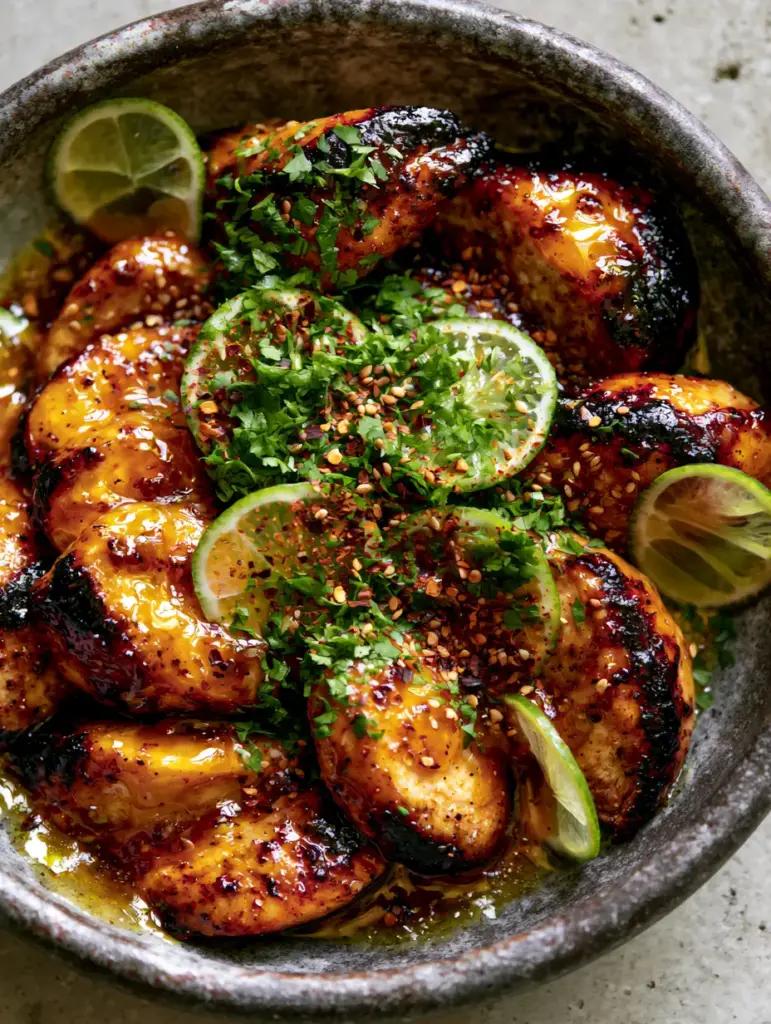
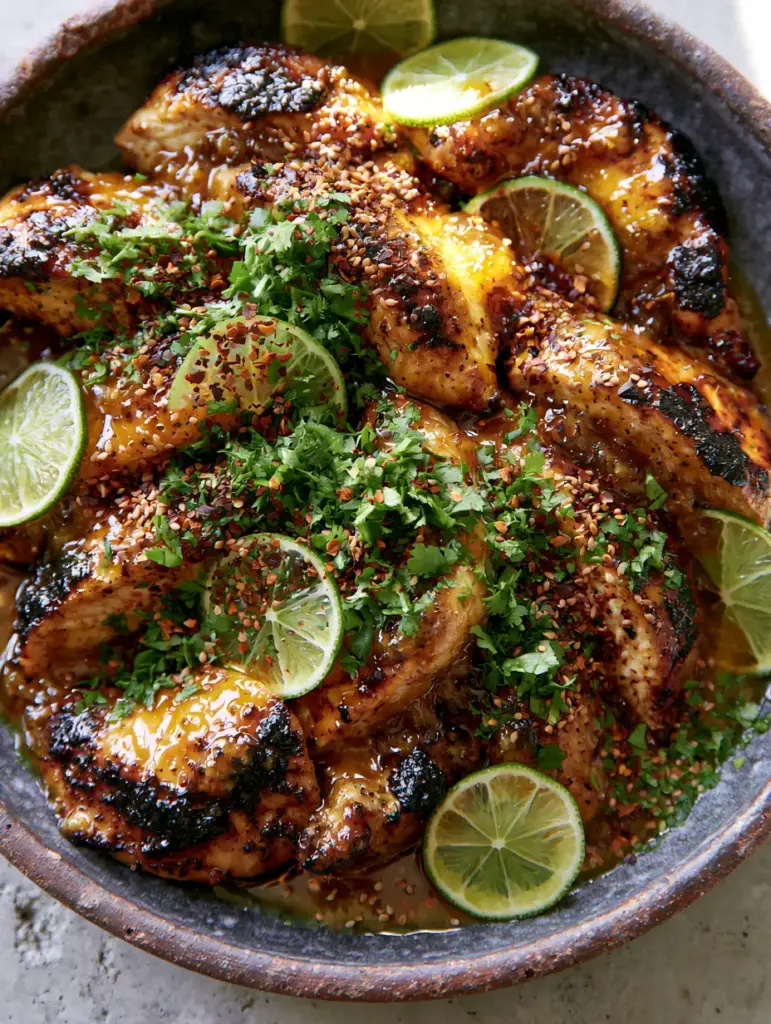
There is a specific culinary magic that happens when high heat meets the natural sugars of citrus and honey. This Honey Lime Chicken isn’t just another weekday meal; it is a masterclass in the Maillard reaction, resulting in succulent chicken strips with deep, dark charred edges and a thick, glistening amber-colored glaze that clings to every bite.
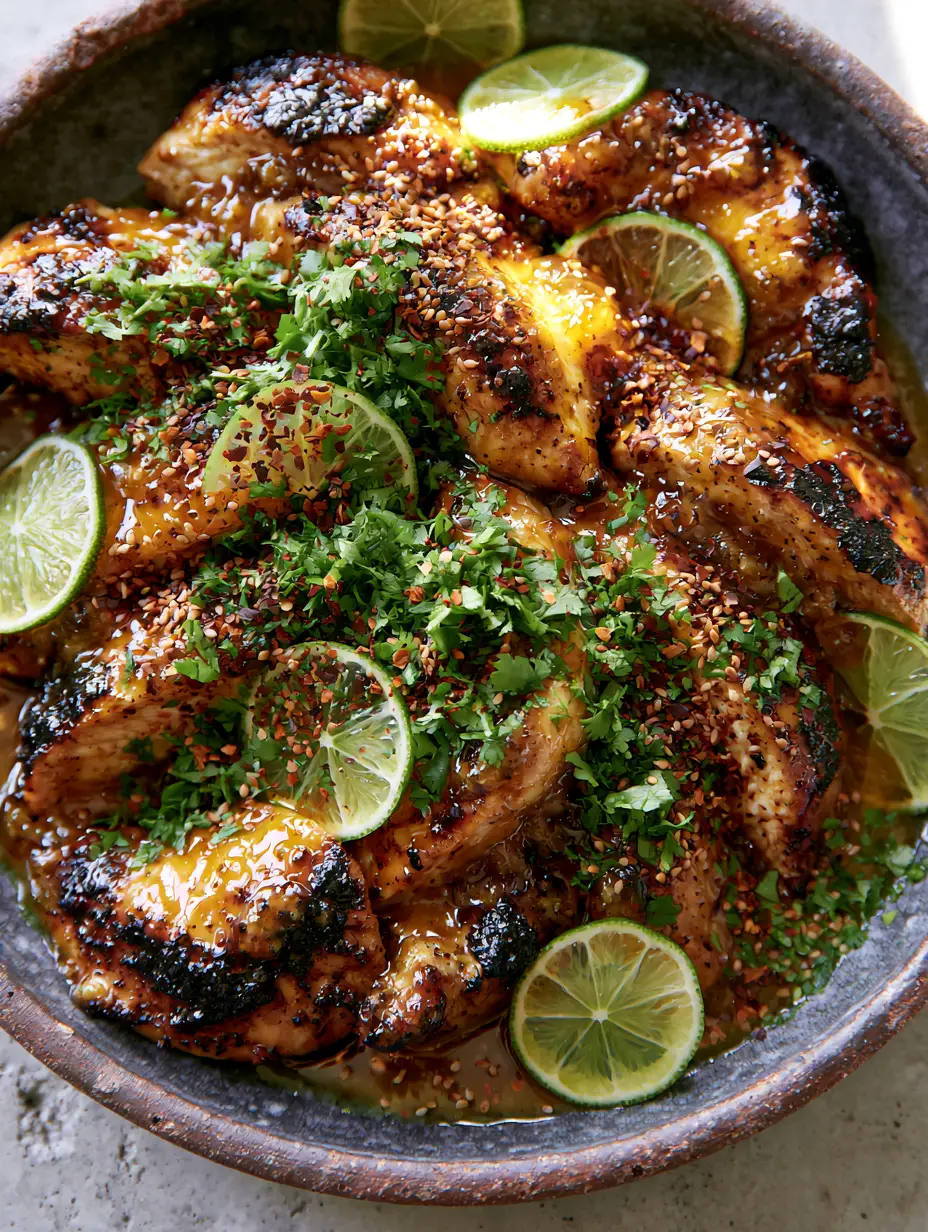
The visual appeal of this dish is undeniable, as the sticky, syrupy sauce pools slightly in the bowl, creating a high-gloss finish that catches the light. When you pair that deep amber hue with the bright green of fresh cilantro and the vibrant pop of red chili flakes, you have a centerpiece dish that looks like it stepped off a professional photo set.
Whether you are looking for a quick 20-minute dinner or a meal-prep staple that doesn’t sacrifice flavor, this recipe delivers a perfect balance of zesty acidity and deep floral sweetness. Let’s dive into how to achieve that restaurant-quality sear and syrup-like reduction in your own kitchen.
Why This Glistening Honey Lime Chicken Works
- The Perfect Char: By using a high-smoke point oil and precise timing, we achieve those coveted dark, caramelized edges that provide a smoky contrast to the sweet glaze.
- Syrupy Consistency: Unlike thin, watery sauces, this reduction uses a scientific balance of honey and lime juice to create a thick coating that stays on the chicken.
- Visual Texture: The addition of toasted white sesame seeds and red pepper flakes adds a multifaceted crunch and a hit of heat that balances the citrus.
- Juicy Interior: We utilize a quick-sear method to ensure the chicken breast strips remain tender and moist inside while the exterior develops a robust crust.
Everything You Need for the Perfect Amber Glaze
Chicken Breast Strips: 1.5 lbs (680g) of boneless, skinless chicken breast. Slicing the chicken into uniform strips increases the surface area for the glaze to adhere to, ensuring every bite is packed with flavor.
Raw Honey: 1/3 cup (80ml) of high-quality honey. The sugars in the honey are responsible for the “amber” color and the sticky, syrupy consistency described in our visual blueprint.
Fresh Lime Juice: 1/4 cup (60ml) of freshly squeezed lime juice. Do not use the bottled stuff; the natural acidity of fresh limes is required to cut through the sweetness of the honey.
Lime Zest: 1 tbsp (6g) of zest. The oils in the skin provide an aromatic punch that lime juice alone cannot achieve.
Neutral Searing Oil: 2 tbsp (30ml) of avocado or vegetable oil. You need an oil with a high smoke point to achieve those charred edges without the oil breaking down and tasting bitter.
Toasted White Sesame Seeds: 1 tbsp (9g). These provide a nutty contrast and a beautiful visual “dusting” over the finished dish.
Red Pepper Flakes: 1 tsp (2g). This adds a subtle, controllable heat that complements the zesty lime profile.
Fresh Cilantro: 1/4 cup (15g) chopped. The bright green color is essential for that final macro-shot contrast against the dark grey ceramic bowl.
Sea Salt and Black Pepper: To taste. Essential foundational seasonings that enhance the natural flavors of the poultry.
Essential Tools for Professional Pan-Searing
To achieve the visual result seen in our photography, you should use a heavy-bottomed skillet, preferably cast iron or high-quality stainless steel. These materials retain heat more effectively, which is the secret to getting those dark charred edges without overcooking the center of the chicken.
You will also need a sharp chef’s knife to create clean, uniform strips of chicken and thin half-moon lime slices for the garnish. A microplane is recommended for zesting the lime to ensure the zest is fine enough to incorporate into the sauce without adding a gritty texture.
Step-By-Step to Achieving the Perfect Char and Glisten
Preparing the Chicken for Maximum Surface Area
Pat your chicken breasts completely dry with paper towels. This is a non-negotiable step; moisture on the surface of the meat will create steam, preventing the chicken from developing that deep golden-brown crust we are looking for.
Slice the chicken into strips approximately 1 inch (2.5cm) wide. Season them generously with sea salt and black pepper just before they hit the pan to prevent the salt from drawing out moisture prematurely.
The High-Heat Sear and Caramelization
Heat your oil in the skillet over medium-high heat until it begins to shimmer and reaches its smoke point. Carefully add the chicken strips in a single layer, ensuring they are not crowded; you may need to work in batches to maintain the pan’s temperature.
Let the chicken sear undisturbed for 3-4 minutes. You are looking for a visual cue: the edges should turn opaque, and the bottom should have visible dark caramelized charred edges before you flip them.
Building the Syrupy Honey-Lime Reduction
In a small bowl, whisk together the honey, lime juice, and lime zest. Once the chicken is seared on both sides, pour the mixture directly into the hot pan. The sauce will immediately begin to bubble and froth—this is the water evaporating and the sugars concentrating.
Continue to cook over medium heat for 3-5 minutes, tossing the chicken constantly. Watch for the sauce to transition from a thin liquid to a thick, syrupy consistency that pools slightly and coats the chicken in a glistening amber glow.
Expert Tips for Success
- The “Gloss” Factor: If your sauce looks too thin, continue reducing it for another minute. The sugars in the honey need to reach a specific concentration to achieve that “amber” food photography look.
- Don’t Overcrowd: Crowding the pan is the enemy of the char. If you put too much chicken in at once, the temperature drops, and you’ll end up with grey, boiled chicken instead of seared strips.
- Temperature Control: If the honey starts to smell like it’s burning rather than caramelizing, immediately drop the heat to medium-low and add a teaspoon of water to deglaze the pan.
- Freshness Matters: Garnish with the cilantro and sesame seeds at the very last second before serving to keep the herbs vibrant and the seeds crunchy.
The Best Side Dishes for Honey Lime Chicken
This dish is incredibly versatile, but it shines brightest when paired with sides that can soak up that extra syrupy sauce. We love serving it over a bed of jasmine rice or alongside a vibrant Asian chicken crunch salad for a refreshing contrast.
If you want to lean into the tropical vibes, try pairing this with a side of Hawaiian-style chicken sides like macaroni salad. For a lower-carb option, this chicken is spectacular inside lettuce wraps or served alongside a chicken zucchini stir-fry.
If you have leftover lime and cilantro, they work perfectly as a topping for Peruvian chicken and rice or even a bowl of coconut chicken rice.
Storage, Reheating, and Freezing
Storage: Store leftovers in an airtight container in the refrigerator for up to 3 days. The sauce will thicken further as it cools, becoming a very sticky glaze.
Reheating: To maintain the “glisten,” reheat in a skillet over low heat with a splash of water or extra lime juice to loosen the sauce. Avoid the microwave if possible, as it can make the chicken rubbery.
Freezing: You can freeze the cooked chicken in its sauce for up to 2 months. Thaw overnight in the fridge before reheating according to the instructions above.
Frequently Asked Questions
Yes, chicken thighs work beautifully. They are more forgiving and remain juicy, though they may require an extra 2-3 minutes of cook time to render the fat and achieve the same char.
The key is high heat and patience. Use a heavy skillet, pat the chicken dry before cooking, and don’t flip the strips until they naturally release from the pan with a dark golden-brown crust.
It has a very mild heat from the red pepper flakes. If you prefer a family-friendly version, you can omit the flakes or serve them on the side.
Fresh limes are highly recommended for the zest and acidity. If you must use bottled juice, add an extra teaspoon of honey or a splash of rice vinegar to help mimic the complex flavor profile.
You likely need to reduce the sauce longer. The honey and lime mixture needs a few minutes of bubbling to evaporate excess water and concentrate into a thick, syrupy glaze.
The Signature Honey Lime Chicken Recipe
Honey Lime Chicken: The Ultimate Sticky Caramelized Pan-Seared Recipe
Ingredients
Equipment
Method
- Pat chicken strips dry with paper towels and season with salt and pepper.
- Whisk honey, lime juice, and zest in a small bowl.
- Heat oil in a skillet over medium-high. Add chicken in a single layer and sear for 4 minutes until dark charred edges appear.
- Pour in the honey-lime mixture. Cook for 3-5 minutes, tossing constantly, until the sauce reduces to a thick, syrupy amber glaze.
- Serve in a shallow bowl topped with lime half-moons, cilantro, sesame seeds, and chili flakes.
Notes
Fresh lime juice is essential; bottled juice lacks the necessary acidity.
Bringing the Restaurant Experience Home
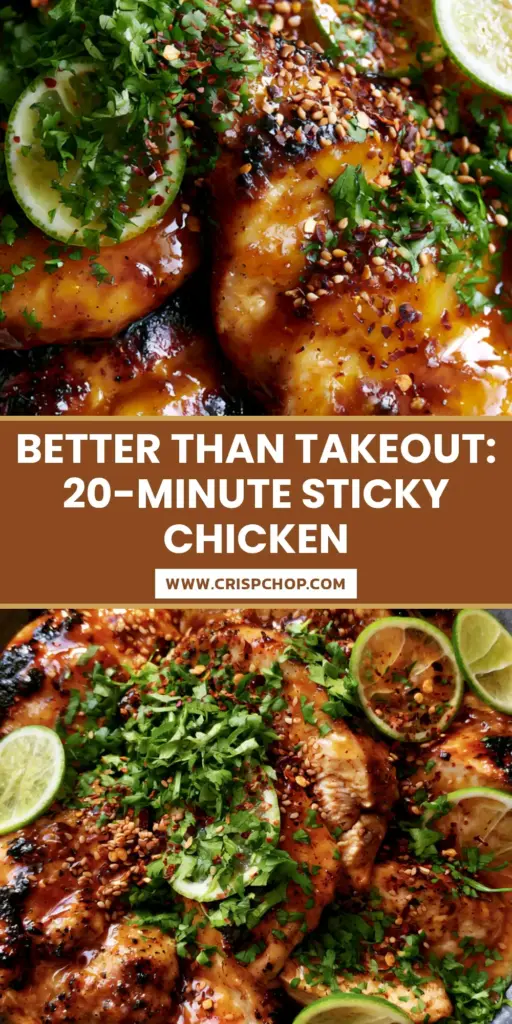
Mastering this Honey Lime Chicken is a gateway to understanding how to balance the five basic tastes in your cooking. The sweetness of the honey, the acidity of the lime, and the savory sear of the chicken create a profile that is satisfying and complex.
If you enjoyed this recipe, please consider leaving a comment below and sharing your results! You can also follow us for more culinary inspiration and high-resolution food photography on our Pinterest page.